3 Facts About Acalypha reptans Lifecycle
Acalypha chamaedrifolia
By the Greg Editorial Team
Jul 23, 2024•5 min read
This article was created with the help of AI so we can cover more plants for you. May contain errors. See one? Report it here.
Grow Acalypha reptans to its full glory 🌿—from the first sprout to vibrant blooms.
- 🌱 Seeds sprout in 1-3 weeks; cuttings are an alternative starting method.
- 🌺 Flowering attracts pollinators, with full maturity reached in 2-3 years.
- 🌿 Proper care extends lifespan over a decade; growth rate slows with age.
Seed Germination
Starting Acalypha reptans from seeds or cuttings sets the stage for its entire lifecycle. While cuttings are a common propagation method, germinating seeds can also yield successful growth.
Propagation Methods:
- Seeds: Sow in a well-draining mix, ensuring the right balance of moisture and temperature for optimal germination.
- Cuttings: Stem cuttings root effectively in warm, dry conditions.
Germination Timeframe:
- Seeds typically sprout within 1-3 weeks when provided with the right environmental conditions.
- Cuttings may root faster, bypassing the seed germination phase.
Factors Influencing Germination:
- Light: Adequate lighting is crucial, but direct sunlight can be detrimental.
- Temperature: A warm, stable temperature promotes successful germination.
- Moisture: Consistent but not excessive watering is key to prevent rot or drying out.
- Soil Quality: A nutrient-rich, well-draining substrate supports early growth.
- Freshness of Seeds: Fresh seeds have a higher germination rate than older, dormant seeds.
💪 Understanding these factors is essential for gardeners to ensure a strong start for Acalypha reptans, paving the way for a thriving plant.
Seedling Development
Acalypha reptans seedlings mark the beginning of a journey from sprout to splendor. After germination, these young plants enter a critical phase of development.
- The seedling stage is characterized by the emergence of light green cotyledons, which are the first leaves to appear.
- Within approximately 4 weeks, Acalypha reptans seedlings will unfurl their first set of true leaves, distinct from the initial cotyledons.
This period is a rapid growth spurt where the plant's resilience is put to the test. Factors such as light, temperature, and moisture play pivotal roles in the successful progression of this stage.
- Seedlings initially rely on the energy reserves stored within the seed, but as true leaves develop, they begin photosynthesizing and producing their own energy.
- The establishment of the plant's structure, including the main stem and potential branching points, occurs during this time.
Expect the seedlings to reach several inches in height, setting the stage for the next phase of vegetative growth. The duration of the seedling stage can vary, but it generally spans 4 to 6 weeks, depending on environmental conditions and care.
Flowering Phase
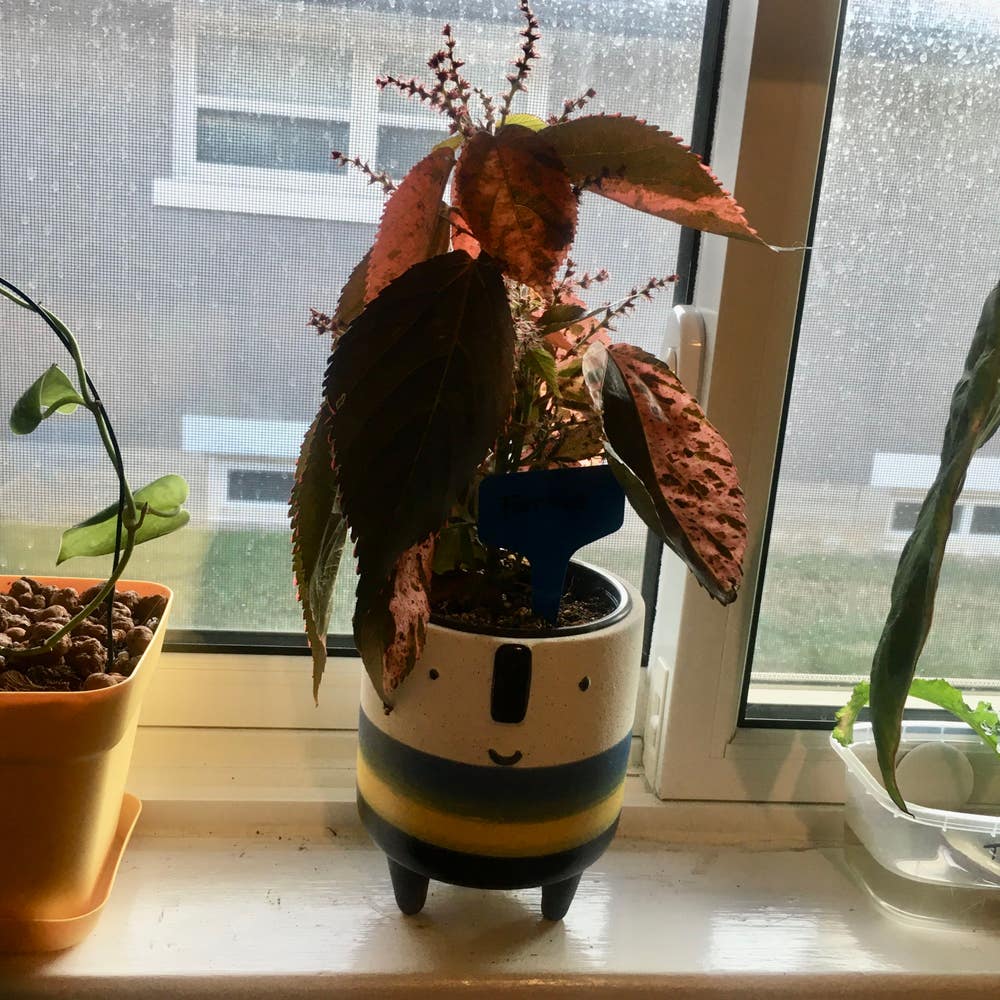
Acalypha reptans, affectionately known as 'Summer Love', enters a vibrant flowering phase when conditions align. This stage is a visual spectacle, with the plant showcasing its reproductive prowess through a profusion of flowers.
- The trigger for blooming in Acalypha reptans is a combination of factors, including light intensity, day length, and possibly even temperature changes, akin to the delicate balance required for other species' flowering.
- Flowering duration can vary, but typically, Acalypha reptans will adorn itself with flowers for several weeks, offering a generous window for pollinators to visit and for seed set to occur if conditions are favorable.
- The potential for seed production is present, yet it hinges on successful pollination, which can be influenced by the presence of pollinators and environmental conditions, much like the complex interplay seen in other species' nectar production and flowering phenology.
Full Maturity and Lifespan
Acalypha reptans, often admired for its lush foliage, reaches full maturity relatively quickly compared to many other plants.
- Typically, Acalypha reptans is considered fully mature when it has developed a robust root system and a full spread of leaves, which usually occurs within 2 to 3 years.
The lifespan of Acalypha reptans varies depending on environmental conditions and care, but several factors stand out for their influence.
- Average lifespan: A well-maintained Acalypha reptans can live for many years, with some specimens thriving for over a decade in ideal conditions.
- Factors that can extend lifespan: Adequate watering, proper lighting, and regular pruning can contribute to a longer life.
- Factors that can shorten lifespan: Overwatering, poor soil drainage, and extreme temperatures can adversely affect the plant's health.
Growth rate is a dynamic aspect of Acalypha reptans, with notable changes as it transitions from a seedling to a mature plant.
- Seedling to maturity: The growth rate is most rapid during the early stages, slowing as the plant approaches full maturity.
- Environmental impact: Consistent care and favorable growing conditions can ensure a steady growth rate throughout the plant's life.
Reproductive Cycle
Acalypha reptans' journey to reproduction is a marvel of nature, beginning with the intricate dance of pollination. Pollinators, often insects, are the unsung heroes in this phase, transferring pollen from male to female flower parts, ensuring the continuation of the species.
- Pollination is the first critical step, setting the stage for seed formation.
- Various environmental factors influence this process, impacting the quality and quantity of seeds produced.
Once pollinated, the plant develops seeds that are ready for dispersal, a process vital for species propagation. Seed dispersal mechanisms are diverse, and Acalypha reptans relies on a combination of natural vectors to spread its progeny.
- Seeds may be carried away by wind, water, or hitch a ride with unsuspecting animals.
- This dispersal not only perpetuates the species but also contributes to genetic diversity and adaptability.
Understanding the reproductive cycle is paramount to appreciating the resilience and adaptability of Acalypha reptans. It's a cycle that ensures survival, enabling this species to thrive across various landscapes.
⚠️ Safety First
This content is for general information and may contain errors, omissions, or outdated details. It is not medical, veterinary advice, or an endorsement of therapeutic claims.
Always consult a qualified healthcare professional before using any plant as food, medicine, or supplement.
Never eat any plant (or feed one to pets) without confirming its identity with at least two trusted sources.
If you suspect poisoning, call Poison Control (800) 222-1222, the Pet Poison Helpline (800) 213-6680, or your local emergency service immediately.
Spotted an error? Please report it here.
Ensure your Acalypha reptans flourishes from sprout to bloom with Greg's tailored reminders 🌼, optimizing each stage of its vibrant lifecycle.