Acalypha reptans Is a Perennial
Acalypha chamaedrifolia
By the Greg Editorial Team
Jul 23, 2024•5 min read
This article was created with the help of AI so we can cover more plants for you. May contain errors. See one? Report it here.
Embrace Acalypha reptans 🌿, the perennial powerhouse that elevates your garden's resilience and sustainability.
- 🌱 Acalypha reptans: a robust perennial with fuzzy red blooms and enduring roots.
- 🛌 Dormancy as survival: adapts to seasons, conserving energy for regrowth.
- 💡 Sustainable gardening: saves resources and enhances soil health over years.
Perennial Qualities of Acalypha reptans
🌺 Defining Perennial Traits
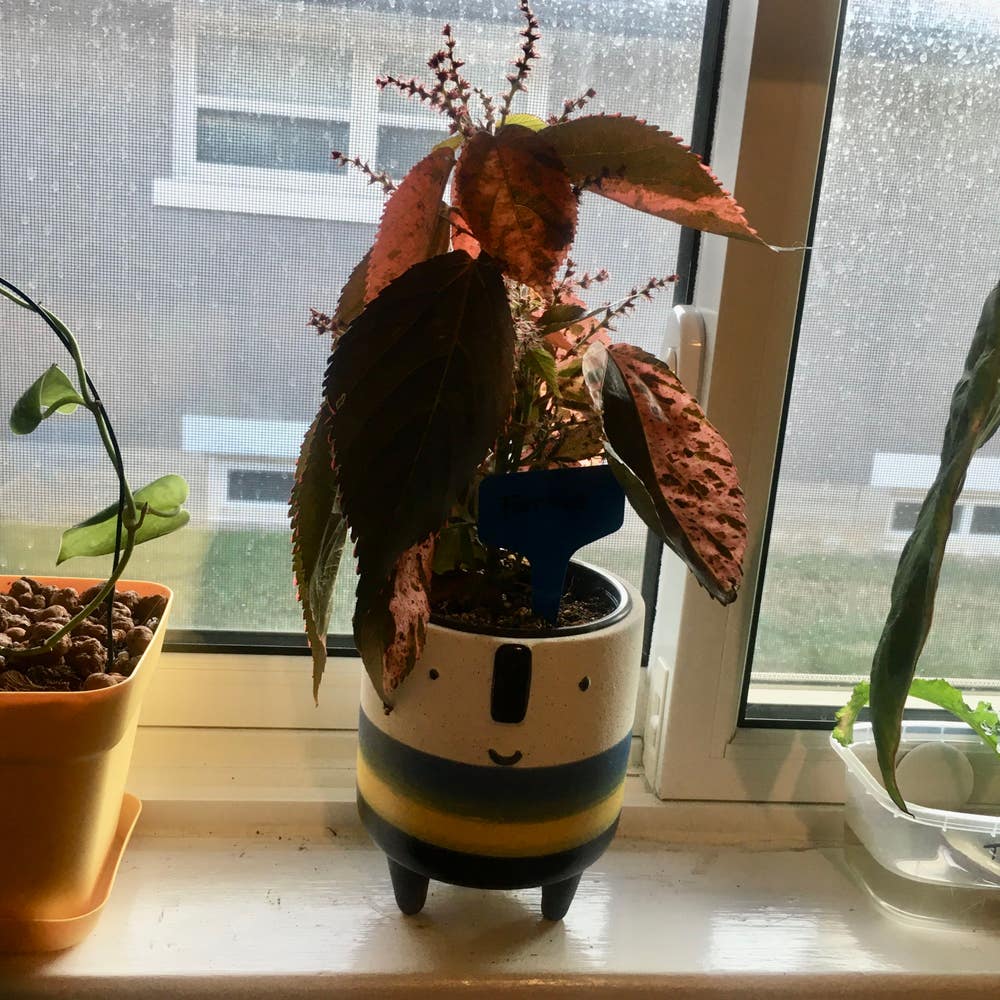
Acalypha reptans, with its year-round fuzzy red blooms and robust green foliage, epitomizes the perennial spirit.
- Meets perennial criteria with its ability to live for more than two years.
- Root persistence is key, allowing the plant to endure through seasons.
💪 Growth and Regeneration
Its growth cycle is a testament to the tenacity of perennials.
- Capable of regrowing from the same roots annually, Acalypha reptans is a model of resilience.
- Its role in sustainable gardening is underscored by its regenerative growth, reducing the need for replanting.
Seasonal Adaptations
🌬️ Understanding Dormancy
Acalypha reptans, like many perennials, has a life cycle closely attuned to the seasons.
- Dormancy is a survival strategy that sees Acalypha reptans reduce its metabolic activity in response to adverse weather conditions.
- This period of rest is crucial for the plant's longevity, allowing it to conserve energy and resources until favorable conditions return.
During dormancy, you might notice:
- A slowdown in growth, with the plant appearing less vibrant than in its active phases.
- A potential shedding of leaves, signaling the plant's shift into energy conservation mode.
🌦️ Weathering the Seasons
Acalypha reptans's ability to adapt to seasonal changes is a testament to its resilience.
- As temperatures fall, the plant enters dormancy, a phase of minimal growth that helps it survive the cold.
- With the arrival of spring, warmer temperatures and increased daylight signal the end of dormancy, kickstarting a new growth cycle.
Climate impacts on Acalypha reptans include:
- Varying lengths of dormancy and active growth periods, depending on regional climate conditions.
- The timing and intensity of flowering, which are influenced by the duration of the plant's exposure to optimal growth conditions.
Perennial Advantages for Gardeners
🌱 Sustainability and Savings
Perennial plants like Acalypha reptans are a boon for both the environment and your wallet. Here's how:
- Reduced need for annual replanting, saving on the cost of new plants and the labor involved in planting.
- Established root systems minimize soil erosion and improve water retention, contributing to a healthier garden ecosystem.
🌿 Lifespan and Vitality
Acalypha reptans isn't just a fleeting visitor in your garden; it's a long-term resident. Let's look at what this means for its longevity:
- With proper care, expect Acalypha reptans to grace your garden for several years, reducing the need for frequent replacements.
- Factors influencing its health include adequate sunlight, proper watering, and protection from extreme weather, ensuring a robust life cycle.
Regional Perennial Variability
🌍 Adapting to Climate Zones
Acalypha reptans, like many perennials, exhibits a remarkable capacity to adapt to a spectrum of climate zones. Its inherent resilience is a boon for gardeners across various regions, but understanding how to leverage this adaptability is key.
- In tropical and subtropical zones, Acalypha reptans thrives outdoors with minimal intervention, often displaying lush growth and frequent flowering.
- Cooler climates may see it performing well as a potted plant indoors or as a seasonal outdoor plant, with extra care needed to protect it from frost.
- Gardeners in coastal areas can appreciate its tolerance to salty air, making it a robust choice for seaside gardens.
🌱 Adjusting Care for Acalypha reptans
Tailoring care for Acalypha reptans in different growing conditions ensures its perennial vitality is maximized. Here are some strategies to consider:
- Monitor and adjust light exposure throughout the seasons, moving plants as needed to optimize light intake.
- Implement winterizing techniques in temperate zones to shield against cold snaps, especially for younger plants.
- In areas with variable precipitation, ensure well-draining soil to prevent root rot and other moisture-related issues.
- Recognize the impact of microclimates in your garden, using them to create favorable conditions for Acalypha reptans.
By tuning into the unique needs of Acalypha reptans in your specific climate, you can enjoy the full benefits of its perennial nature year after year.
Cultivation Strategies
🌿 Garden Planning with Perennials
Incorporating Acalypha reptans into your garden design isn't just about aesthetics; it's a strategic move for sustainability. Here's how to weave this perennial into your garden tapestry:
- Layer Your Landscape: Position Acalypha reptans with taller plants behind it to create depth. This not only adds visual interest but also allows each plant to thrive without competing for sunlight.
- Design for Durability: Recognize the hardiness of Acalypha reptans and use it in areas of your garden where you want reliable growth year after year. Its established roots mean less work for you over time.
Long-term cultivation of Acalypha reptans leverages its perennial nature for a garden that grows in beauty and vitality each year:
- Plan for Perpetuity: Think ahead about how Acalypha reptans will spread and mature in your garden. Ensure there's enough space for its growth to avoid overcrowding and competition for resources.
- Embrace Seasonal Shifts: Use Acalypha reptans to fill gaps in your garden's seasonal show. As some plants go dormant, Acalypha reptans can continue to provide greenery or even bloom, depending on your climate.
- Sustainable Practices: By choosing Acalypha reptans, you're opting for a plant that doesn't need to be replanted annually, reducing your garden's carbon footprint and saving on resources.
⚠️ Safety First
This content is for general information and may contain errors, omissions, or outdated details. It is not medical, veterinary advice, or an endorsement of therapeutic claims.
Always consult a qualified healthcare professional before using any plant as food, medicine, or supplement.
Never eat any plant (or feed one to pets) without confirming its identity with at least two trusted sources.
If you suspect poisoning, call Poison Control (800) 222-1222, the Pet Poison Helpline (800) 213-6680, or your local emergency service immediately.
Spotted an error? Please report it here.
Ensure your Acalypha reptans remains a sustainable standout 🌟 in your garden for years with Greg's climate-adapted care plans and seasonal reminders.