💚 What Do Zygopetalum maculatum Flowers Mean?
Zygopetalum maculatum
By the Greg Editorial Team
Feb 09, 2024•4 min read
This article was created with the help of AI so we can cover more plants for you. May contain errors. See one? Report it here.
Unveil the secrets to a thriving Zygopetalum maculatum bloom 🌸—a symbol of your plant care success and a mood booster!
- Blooms signal health and successful cultivation efforts.
- 🌡️ Temperature changes at night encourage flowering.
- Balanced care includes light, humidity, watering, and pruning.
Decoding the Blooms: What Flowers Signal
🌸 The Health Indicator
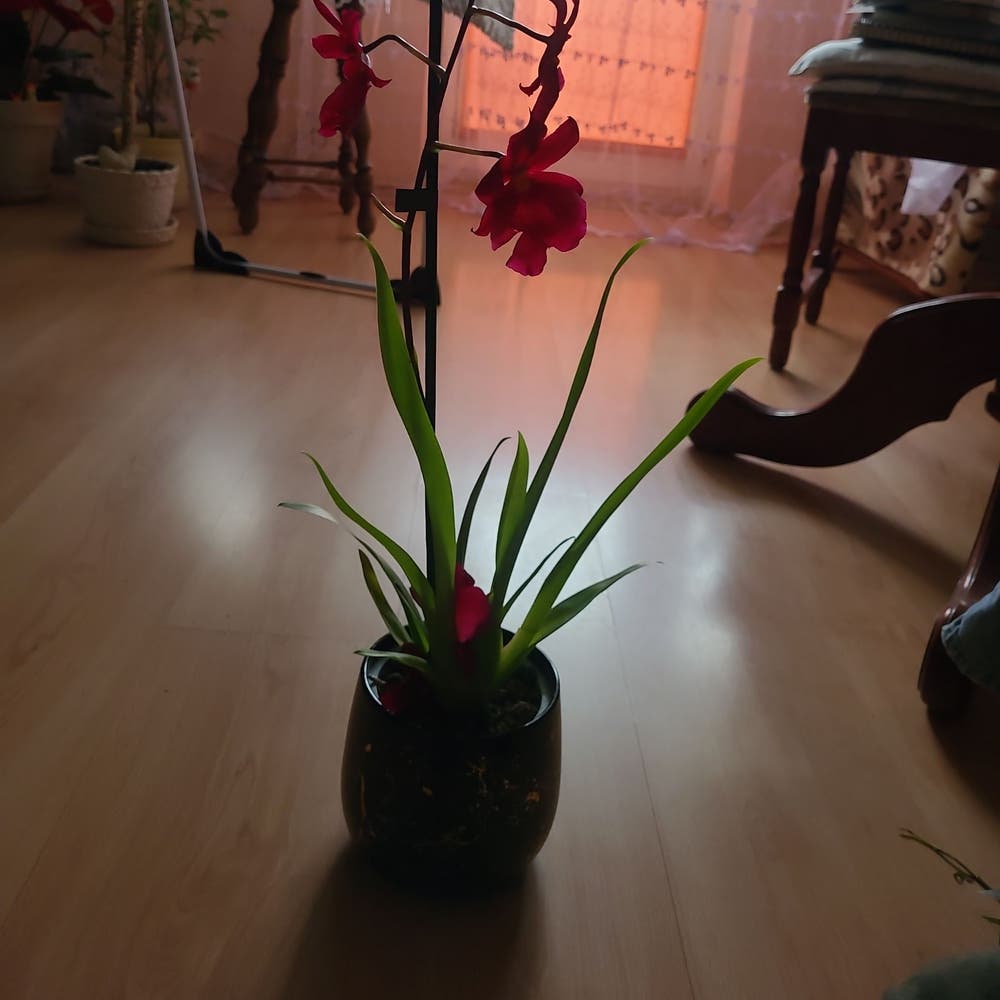
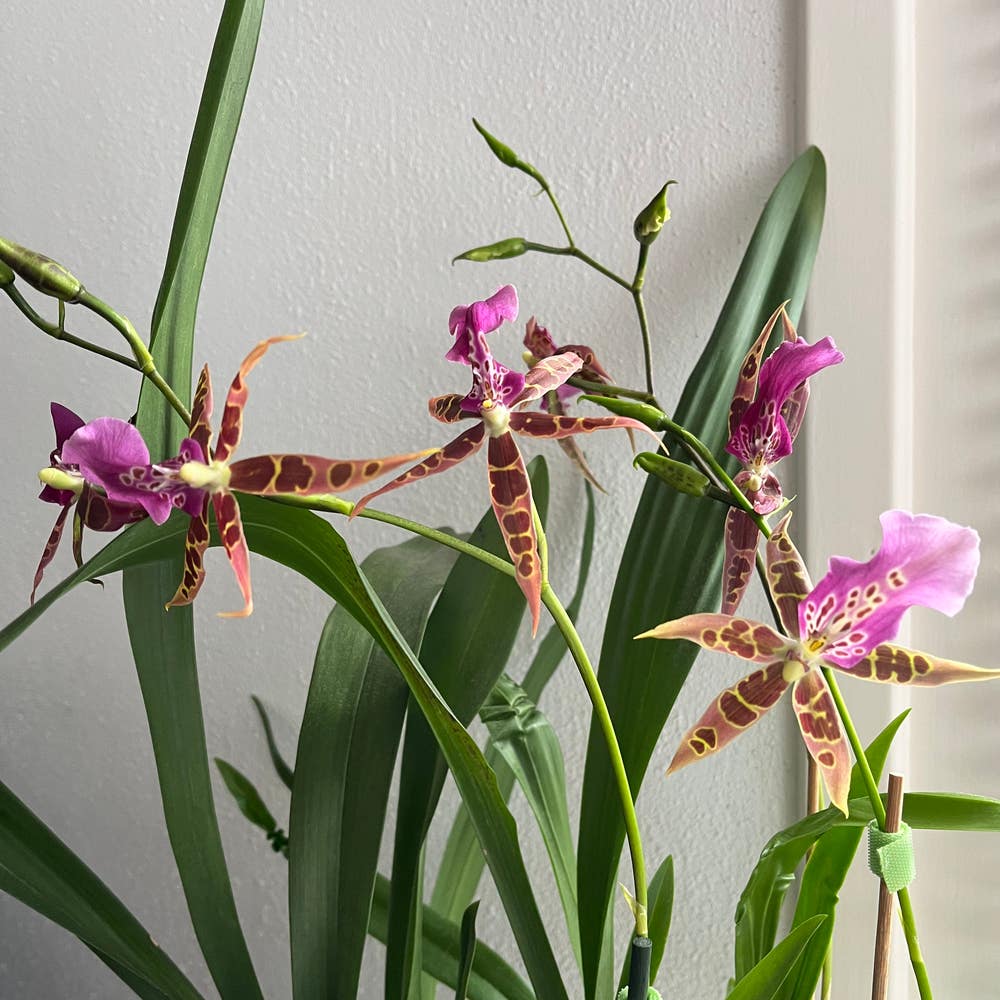
When Zygopetalum maculatum bursts into bloom, it's not just showing off. It's a clear sign of vigor. Healthy roots, adequate light, and proper nutrition all contribute to this floral triumph. If your orchid is blooming, pat yourself on the back; you've nailed its care requirements.
🌼 A Sign of Success
Blooms are like nature's thumbs-up. For the grower, it's a moment of validation. Each flower is a nod to your green thumb, a tangible result of the time and attention you've invested in your Zygopetalum maculatum.
😊 The Emotional Impact
The sight of your orchid in bloom is an instant mood booster. It's a blend of joy and satisfaction, a reward for your dedication. Plus, the sweet fragrance that fills the room? That's just the cherry on top.
The Blooming Conditions: Setting the Stage for Flowers
💡 Light: The Energy Source
Light isn't just a box to check; it's the conductor of the bloom orchestra. For Zygopetalum maculatum, the right intensity and duration of light are critical. Too little, and the blooms might as well be a myth. Too much, and you're looking at a crispy leaf tragedy. Aim for bright, indirect light—a sweet spot that mimics the dappled sunlight of their natural habitat.
🌡️ Temperature: The Warmth Factor
Temperature swings aren't just a topic for small talk; they're a trigger for Zygopetalum blooms. These orchids crave a slight drop in temperature at night, akin to their native cool, mountainous regions. Consistency is important, but a nocturnal dip is the secret handshake that tells your plant it's showtime.
🌬️ Humidity & Watering: The Balancing Act
Humidity and watering are the tightrope walk of orchid care. Too much, and you're throwing a pool party for root rot. Not enough, and your Zygopetalum's thirstier than a traveler in the Sahara. Aim for that just-right moist soil feel and a humidity level that doesn't stray too far from a tropical morning mist.
Fertilization: The Nutrient Boost for Blooms
💡 Choosing the Right Fertilizer
Phosphorus is your Zygopetalum maculatum's best friend when it comes to blooming. This nutrient is like the secret sauce for vibrant flowers. While nitrogen and potassium are important, too much nitrogen can turn your plant into a leaf factory at the expense of blooms. Look for a fertilizer with a higher phosphorus ratio, something like a 10-30-20 blend, to encourage those stunning flowers.
⏰ Timing and Frequency
Timing your fertilizer application is like syncing your watch to your plant's life cycle. Start fertilizing as the growing season kicks in and your orchid gears up for action. A monthly dose of a half-strength, water-soluble fertilizer can work wonders. But remember, overdoing it is like feeding your plant junk food—tempting but unhealthy. Cut back on fertilization about 8 weeks before the rest period, letting your orchid wind down naturally. Keep a vigilant eye on your plant's response; it'll tell you if you're on the right track or if you need to adjust your game plan.
Encouraging More Blooms: Tips and Tricks
🌱 Repotting and Media
Repotting isn't just about giving your Zygopetalum maculatum a new home; it's a strategic move to boost blooming. These orchids sometimes prefer to be a bit root-bound to encourage flowering. So, hold off on repotting until it's necessary—typically every two to three years. When you do repot, choose a media that's airy and promotes drainage, like a fine bark mix, to keep those roots happy and breathing.
🌸 Pruning and Care
Regular care is the secret sauce to more blooms. Pruning isn't about taking your frustrations out on the greenery; it's about strategic snips for growth. Trim back any spent flower spikes to stimulate new growth. And don't forget to remove any yellowing leaves or dead growth to redirect energy to those potential blooms. Remember, a well-cared-for Zygopetalum is a blooming Zygopetalum.
⚠️ Safety First
This content is for general information and may contain errors, omissions, or outdated details. It is not medical, veterinary advice, or an endorsement of therapeutic claims.
Always consult a qualified healthcare professional before using any plant as food, medicine, or supplement.
Never eat any plant (or feed one to pets) without confirming its identity with at least two trusted sources.
If you suspect poisoning, call Poison Control (800) 222-1222, the Pet Poison Helpline (800) 213-6680, or your local emergency service immediately.
Spotted an error? Please report it here.
Achieve a flourishing 🌸 Zygopetalum maculatum by letting Greg subtly nudge you with the perfect care schedule for those rewarding blooms.