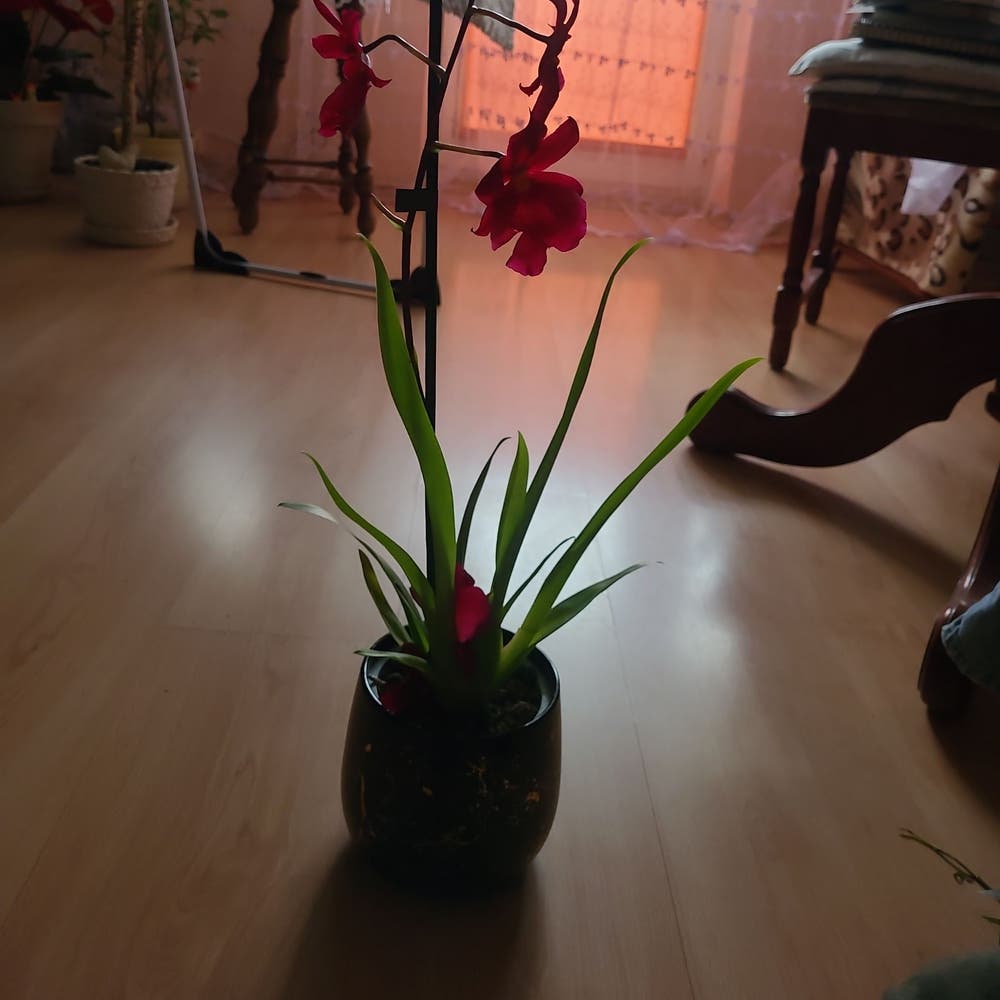
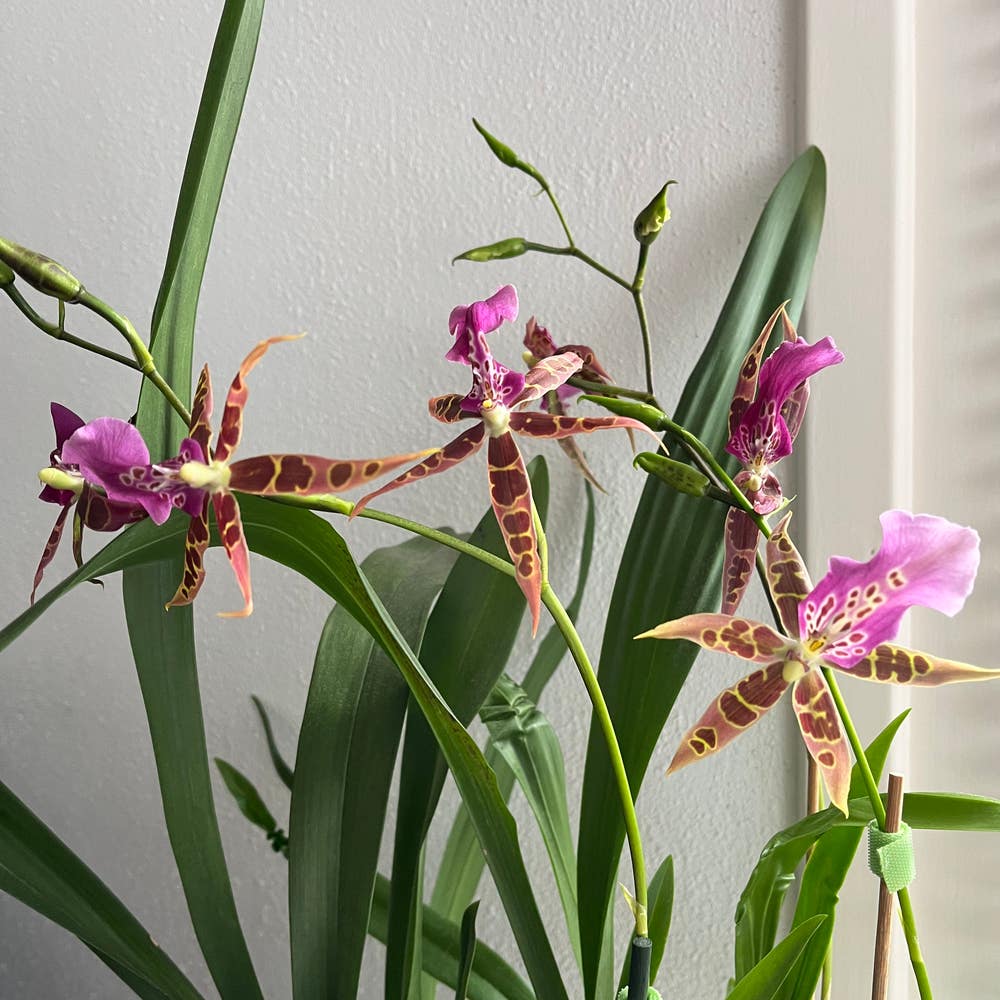
🌸 Step-by-Step Guide to Fertilizing Zygopetalum Orchid
Zygopetalum maculatum
By the Greg Editorial Team
Sep 30, 2024•5 min read
This article was created with the help of AI so we can cover more plants for you. May contain errors. See one? Report it here.
Master Zygopetalum care 🌱 with essential nutrient tips for vibrant blooms and healthy growth all year round!
- 🌱 Zygopetalum orchids thrive on balanced nutrients: nitrogen, phosphorus, and potassium are essential.
- 🌼 Use specific fertilizer ratios: 30-10-10 for growth, 10-30-20 for blooming.
- 🚫 Watch for over-fertilization signs: leaf burn and yellowing indicate nutrient imbalance.
Nutrient Requirements Specific to Zygopetalum
Key Nutrients for Healthy Growth 🌱
Zygopetalum orchids thrive on a balanced diet of essential nutrients.
- Nitrogen is crucial for promoting lush leaf growth and overall vigor.
- Phosphorus plays a vital role in supporting robust root development and encouraging beautiful blooms.
- Potassium enhances the plant's overall health and boosts its resistance to diseases.
Optimal Nutrient Ratios ⚖️
To keep your Zygopetalum flourishing, pay attention to the nutrient ratios in your fertilizers.
- During the growth phase, a balanced fertilizer ratio of 30-10-10 is ideal.
- When your orchid is in bloom, switch to a 10-30-20 ratio to support flowering.
Micronutrients also matter! Calcium, magnesium, and trace elements are essential for optimal growth and should not be overlooked.
By understanding these nutrient requirements, you can ensure your Zygopetalum remains vibrant and healthy. Next, let’s explore the types of fertilizers that are best suited for these stunning orchids.
Types of Fertilizers Suitable for Zygopetalum
💧 Liquid Fertilizers
Liquid fertilizers are a popular choice for Zygopetalum orchids due to their quick absorption and immediate effects. For regular feeding, a recommended dilution ratio is 1/4 strength, ensuring your plant receives the nutrients it craves without overwhelming it.
⏳ Slow-Release Fertilizers
Slow-release fertilizers offer a different approach, providing a gradual nutrient release over time. Apply these every 6-8 weeks during the growing season to maintain consistent nourishment.
Best Fertilizer for Zygopetalum
When selecting a slow-release option, look for formulations with controlled-release technology. This ensures your Zygopetalum gets a steady supply of nutrients, promoting healthy growth and vibrant blooms.
Understanding the types of fertilizers available is crucial for the well-being of your Zygopetalum. Next, let’s explore how to create a fertilization schedule that aligns with your orchid’s growth stages.
Fertilization Schedule
Frequency of Fertilization 🌱
To keep your Zygopetalum thriving, fertilize every 2-4 weeks during its active growth phase. This frequency can be adjusted based on the plant's growth stages; increase feeding during peak growth and reduce it during dormancy.
Seasonal Considerations 🌸
Spring: Start fertilizing as new growth emerges. This is when your orchid is gearing up for a vibrant season.
Summer: Continue regular feeding to promote robust growth. Your Zygopetalum will appreciate the extra nutrients during this active period.
Fall/Winter: As the plant enters dormancy, cut back on fertilization. This helps prevent over-fertilization and allows the orchid to rest.
By following this fertilization schedule, you’ll set your Zygopetalum up for success, ensuring it remains healthy and vibrant throughout the year. Next, let’s explore the various application methods to maximize the benefits of your chosen fertilizers.
Application Methods
How to Apply Fertilizer 🌱
Applying fertilizer to your Zygopetalum orchid is straightforward. Start by choosing the right type of fertilizer, either liquid or slow-release.
For liquid fertilizers, mix according to the recommended dilution ratio. This ensures your plant receives the right concentration of nutrients without overwhelming it.
When using slow-release fertilizers, sprinkle them evenly on the surface of the potting medium. This method allows for a gradual nutrient release, benefiting your orchid over time.
Best Practices for Even Distribution 📏
To achieve even distribution, use a calibrated scoop for precise measurement. This helps prevent over-fertilization and ensures your plant gets just what it needs.
After applying the fertilizer, water the plant lightly. This step helps nutrients penetrate the medium, making them available to the roots more effectively.
By following these application methods and best practices, you can set your Zygopetalum up for healthy growth and vibrant blooms. Next, let’s explore how often you should fertilize your orchid for optimal results.
Signs of Over-Fertilization
Symptoms to Watch For 🌱
Over-fertilization can be a sneaky issue for your Zygopetalum orchid. Watch for these telltale signs:
Leaf Burn: Look for brown tips and edges on leaves. This is often the first indication that your plant is getting too much fertilizer.
Stunted Growth: If your orchid isn't producing new growth despite optimal conditions, it might be time to reassess your fertilization routine.
Yellowing Leaves: This symptom usually points to a nutrient imbalance or toxicity. If you notice this, it’s a clear signal that something’s off.
How to Remedy Over-Fertilization 🛠️
If you suspect your orchid has been over-fertilized, don’t panic. Here’s how to help your plant recover:
Flush the Potting Medium: Start by thoroughly watering the potting medium to dilute the excess fertilizer. This helps wash away the concentrated nutrients.
Repot if Necessary: If symptoms persist, consider repotting your orchid in fresh, nutrient-free medium. This gives your plant a clean slate to recover.
Monitor Closely: Keep an eye on your orchid for signs of recovery. Patience is key; it may take some time for your plant to bounce back.
By staying vigilant and responsive to these signs, you can ensure your Zygopetalum thrives. Next, let’s explore how to adjust fertilization based on your orchid's growth stages.
Adjusting Fertilization Based on Growth Stages
🌱 Young Plants vs. Mature Plants
When it comes to fertilizing young Zygopetalum orchids, a higher nitrogen content is essential. This nutrient fuels rapid leaf growth and overall vigor, helping your young plants establish a strong foundation.
In contrast, mature plants benefit from balanced or phosphorus-rich fertilizers. These formulations encourage blooming, ensuring your orchids produce those stunning flowers you adore.
🌸 Pre-Bloom vs. Post-Bloom Fertilization
As your orchids approach their blooming phase, it's time to increase phosphorus levels. This nutrient is crucial for promoting flower development, setting the stage for a vibrant display.
After the blooms fade, transition back to a balanced fertilizer. This supports recovery and encourages new growth, keeping your Zygopetalum healthy and thriving.
By adjusting your fertilization strategy based on growth stages, you can ensure your orchids receive the right nutrients at the right time. This tailored approach not only enhances their health but also maximizes their blooming potential.
Next, let's explore the signs of over-fertilization and how to remedy them effectively.
⚠️ Safety First
This content is for general information and may contain errors, omissions, or outdated details. It is not medical, veterinary advice, or an endorsement of therapeutic claims.
Always consult a qualified healthcare professional before using any plant as food, medicine, or supplement.
Never eat any plant (or feed one to pets) without confirming its identity with at least two trusted sources.
If you suspect poisoning, call Poison Control (800) 222-1222, the Pet Poison Helpline (800) 213-6680, or your local emergency service immediately.
Spotted an error? Please report it here.
Elevate your Zygopetalum orchid's health and blooming potential 🌸 with Greg's personalized fertilization reminders and nutrient tips that keep your plant thriving!