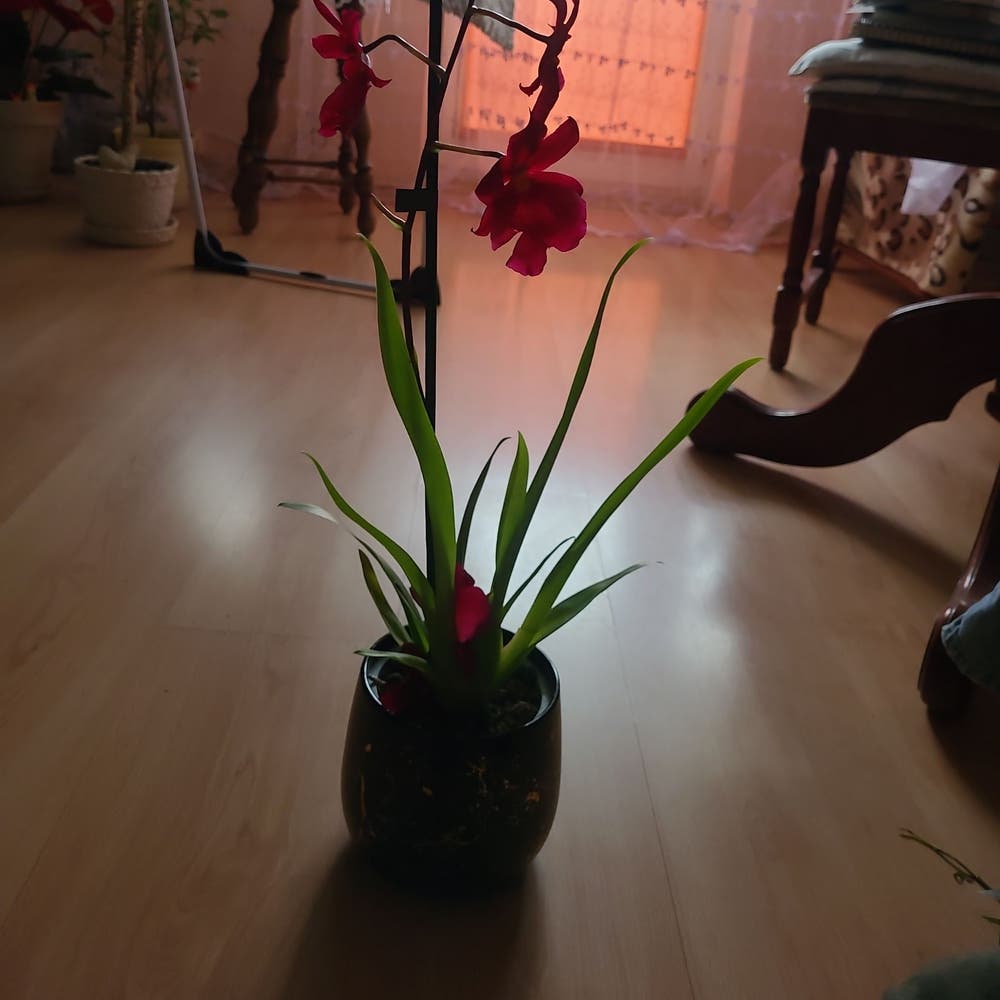
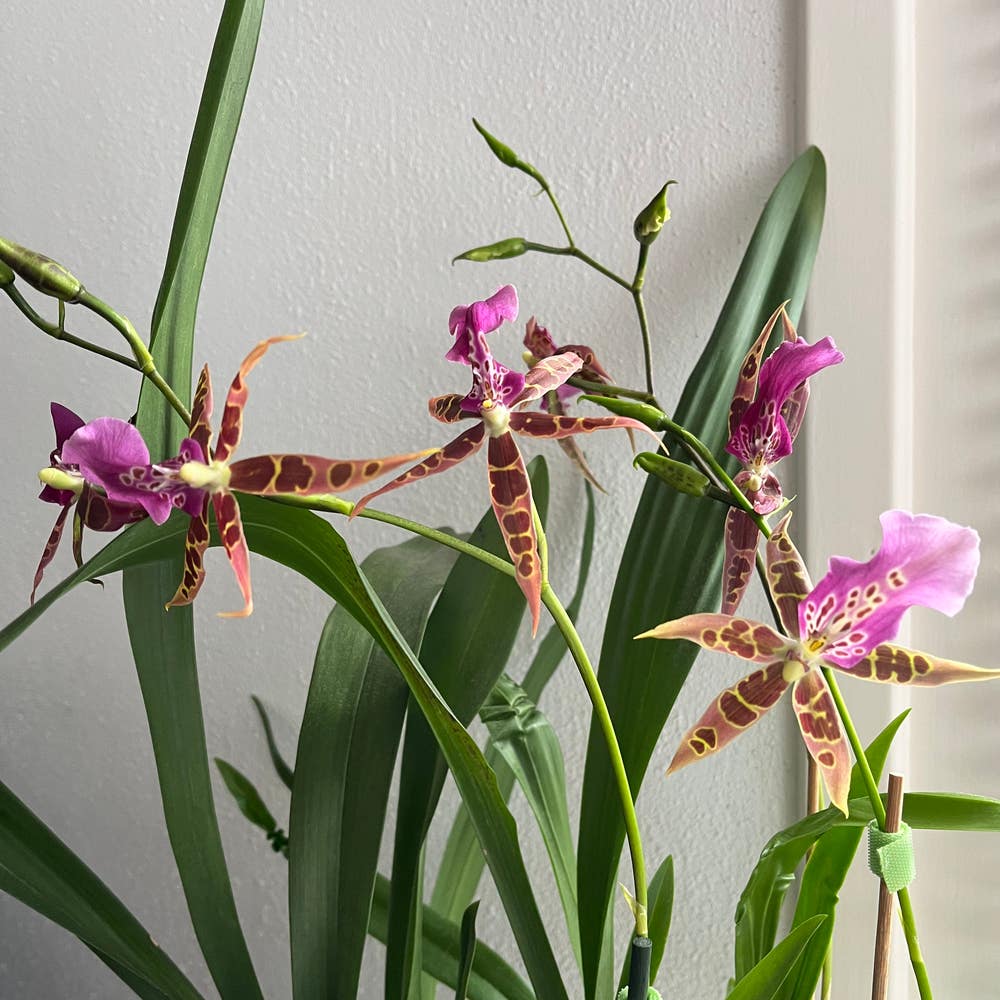
10 Secrets to Successfully Grow Zygopetalum Orchid 🌸
Zygopetalum maculatum
By the Greg Editorial Team
Sep 30, 2024•6 min read
This article was created with the help of AI so we can cover more plants for you. May contain errors. See one? Report it here.
Unlock the secret to vibrant Zygopetalum orchids with these essential care tips! 🌱✨
- 🌞 Choose the right location for Zygopetalum orchids based on climate and space.
- 💧 Water every 1-2 weeks and adjust based on humidity and temperature.
- 🌿 Use a well-draining mix of bark, moss, and perlite for optimal growth.
Cultivation Techniques
🌍 Choosing the Right Location
When growing Zygopetalum orchids, location is key. Decide between indoor and outdoor settings based on your climate and space.
For indoor growth, ensure bright, indirect light. Outdoors, find a spot that offers shade during the hottest parts of the day.
Temperature is another critical factor. Aim to maintain a range of 65°F to 80°F (18°C to 27°C) for optimal growth.
🪴 Soil Preparation and Potting Mix Recommendations
Selecting the right potting mix is essential for Zygopetalum orchids. A blend of bark, sphagnum moss, and perlite provides the ideal environment.
Well-draining soil is crucial to prevent root rot. Additionally, keep the soil pH slightly acidic to neutral, ideally between 5.5 and 7.0.
🌱 Planting Techniques
Planting your Zygopetalum orchid correctly sets the stage for success. Follow this simple step-by-step guide:
- Selecting the right pot size: Choose a pot that is 1-2 inches larger than the root ball.
- Preparing the potting mix: Ensure it has proper aeration and drainage.
- Planting depth: Position the orchid at the correct height in the pot.
- Watering after planting: Water gently to help the soil settle without causing waterlogging.
By following these techniques, you’ll create a nurturing environment for your orchid to thrive. Next, let’s explore the essential aspects of watering and fertilizing your Zygopetalum.
Watering and Fertilizing
Watering Frequency and Methods 🌊
To keep your Zygopetalum orchids thriving, establish a watering schedule of every 1-2 weeks. This frequency can vary based on environmental conditions, so always check the moisture level before watering.
When it comes to watering techniques, you have two effective options: soaking and top watering. Soaking allows the roots to absorb moisture thoroughly, while top watering is great for quick hydration.
Humidity plays a crucial role in orchid care. Aim to maintain humidity levels above 50% to support healthy growth.
Best Fertilizers 🌱
Choosing the right fertilizer is essential for your orchids. Balanced orchid fertilizers, such as those with a ratio of 30-10-10, work wonders for nutrient delivery.
During the growing season, fertilize your orchids monthly. For best results, dilute the fertilizer to 1/4 to 1/2 strength to ensure optimal nutrient absorption without overwhelming the plant.
Signs of Overwatering and Underwatering 🚰
Recognizing the signs of overwatering is key to maintaining healthy orchids. Look out for yellowing leaves and root rot, which indicate too much moisture.
On the flip side, underwatering can lead to wrinkled pseudobulbs and dry roots. Adjust your watering practices based on these symptoms and the environmental conditions to keep your orchids in top shape.
With proper watering and fertilizing techniques, your Zygopetalum orchids will flourish, setting the stage for vibrant blooms. Next, let’s explore pruning and maintenance to ensure your orchids continue to thrive.
Pruning and Maintenance
When and How to Prune 🌿
Pruning your Zygopetalum orchid is essential for its health and vitality. The best time to prune is right after the blooming period, allowing the plant to focus its energy on new growth.
Using sterilized tools is crucial for effective pruning. This practice helps prevent disease and ensures that your orchid remains healthy.
Removing dead or yellowing leaves is another important step. This not only tidies up the plant but also encourages new growth, making your orchid more vibrant.
Ongoing Care Routine 🔍
Regular inspections for pests and diseases can save your orchid from serious issues. Keep an eye out for any signs of trouble, as early detection is key.
Cleaning the leaves is often overlooked but vital for photosynthesis. Dust can block sunlight, so gently wipe the leaves to keep them clean and healthy.
Monitoring humidity and temperature levels is also essential. Zygopetalum orchids thrive in specific conditions, so maintaining the right environment will promote growth.
Seasonal Care Considerations 🌸
Adjusting your care routine based on seasonal changes is crucial for your orchid's well-being. Different seasons bring different challenges, so be prepared to adapt.
In winter, reduce watering and maintain warmth. This helps prevent root rot and keeps your orchid cozy during the colder months.
During summer, increase humidity and light exposure. Your orchid will appreciate the extra care, leading to more robust growth and stunning blooms.
With these pruning and maintenance tips, your Zygopetalum orchid will flourish beautifully. Next, let’s explore common challenges and solutions to keep your orchid thriving.
Common Challenges and Solutions
🐛 Identifying and Managing Pests and Diseases
Zygopetalum orchids can face a few common pests, including aphids, mealybugs, and spider mites. Regularly inspecting your plants can help catch these nuisances early.
For diseases, look out for signs of root rot, leaf spot, and fungal infections. Identifying these issues promptly is crucial for effective treatment.
Control methods vary from organic solutions like neem oil to chemical treatments. Choose what aligns best with your gardening philosophy and the severity of the infestation.
🔍 Troubleshooting Common Growth Issues
If your orchid isn't flowering, it might be due to inadequate light or improper fertilization. Adjusting these factors can often lead to a bloom revival.
Leaf discoloration can indicate nutrient deficiencies, so keep an eye on your fertilization routine. A balanced approach will help maintain vibrant foliage.
Stunted growth may stem from environmental factors like temperature or humidity. Assessing these conditions can help your orchid thrive.
🌱 Tips for Improving Orchid Health
Proper air circulation is vital for preventing mold and pests. Ensure your orchids have enough space to breathe.
Repotting every 1-2 years refreshes the soil and encourages healthy growth. This simple practice can make a significant difference.
Consider using the Greg plant care app for reminders on watering and fertilizing. Staying organized can help you keep your orchids in top shape.
With these insights, you can tackle common challenges and enhance the health of your Zygopetalum orchids. Next, let’s explore the nuances of container versus outdoor growing.
Container vs. Outdoor Growing
🌱 Advantages and Disadvantages of Container Growing
Growing Zygopetalum orchids in containers offers flexibility in location and care. You can easily move them to optimize light exposure or protect them from harsh weather.
However, container growing comes with challenges. Limited root space can restrict growth, and the soil may dry out quickly, requiring more frequent watering.
🌳 Best Practices for Outdoor Cultivation
When cultivating Zygopetalum orchids outdoors, selecting the right location is crucial. Aim for a spot that provides shade and maintains humidity levels.
Additionally, protect your orchids from temperature fluctuations and harsh weather. Using shade cloths or windbreaks can help create a stable environment.
☀️ Environmental Factors to Consider
Light exposure is a key factor in both indoor and outdoor settings. Adjust your care routine based on whether your orchids are inside or outside to ensure they thrive.
Humidity control is also essential. For indoor plants, consider using humidity trays or misters to maintain optimal moisture levels.
Lastly, temperature management is vital for consistent growth. Ensure your orchids are kept in conditions that align with their temperature preferences, ideally between 65°F and 80°F (18°C to 27°C).
With these considerations in mind, you can create an ideal environment for your Zygopetalum orchids, whether in containers or outdoors. Next, let’s explore the watering and fertilizing techniques that will keep your orchids healthy and vibrant.
⚠️ Safety First
This content is for general information and may contain errors, omissions, or outdated details. It is not medical, veterinary advice, or an endorsement of therapeutic claims.
Always consult a qualified healthcare professional before using any plant as food, medicine, or supplement.
Never eat any plant (or feed one to pets) without confirming its identity with at least two trusted sources.
If you suspect poisoning, call Poison Control (800) 222-1222, the Pet Poison Helpline (800) 213-6680, or your local emergency service immediately.
Spotted an error? Please report it here.
Unlock the secrets to thriving Zygopetalum orchids 🌿 with Greg's tailored care reminders and expert tips that will keep your blooms flourishing all year round!