🌸 Why Your Zygopetalum Orchid Leaves Are Falling Over
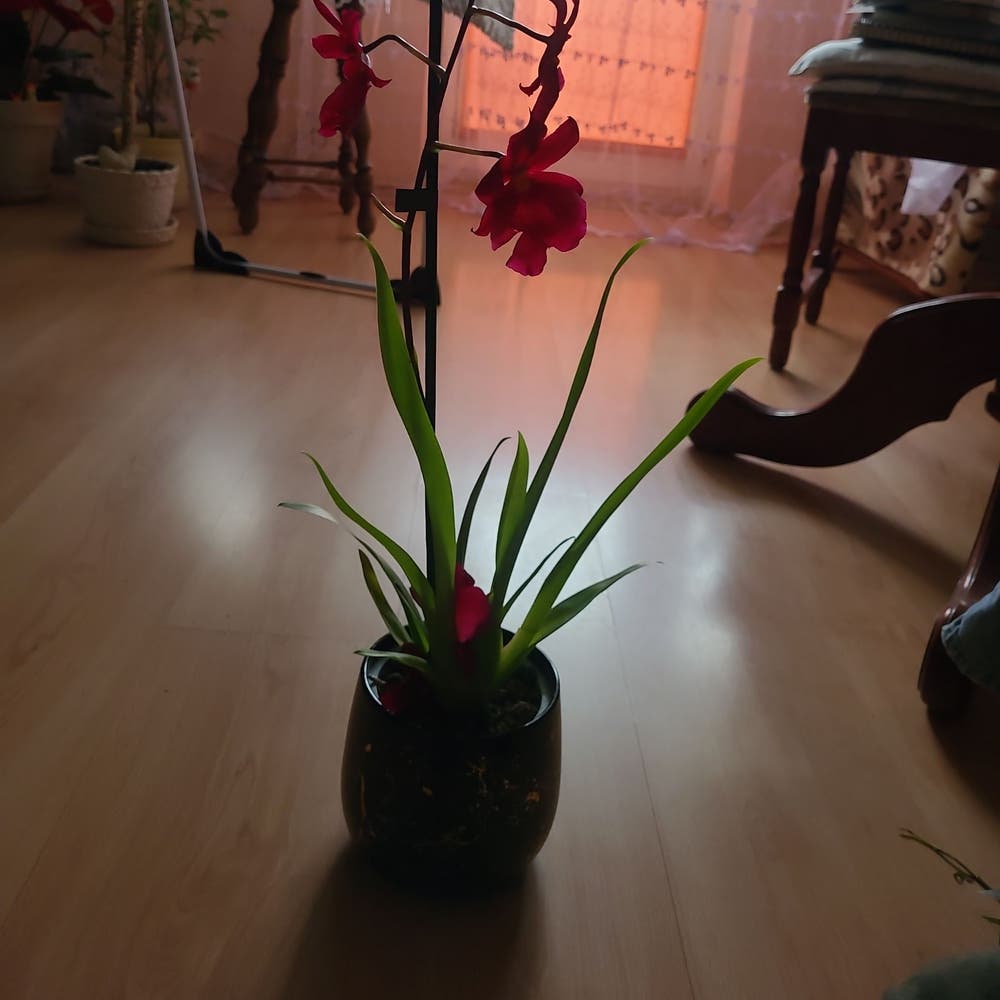
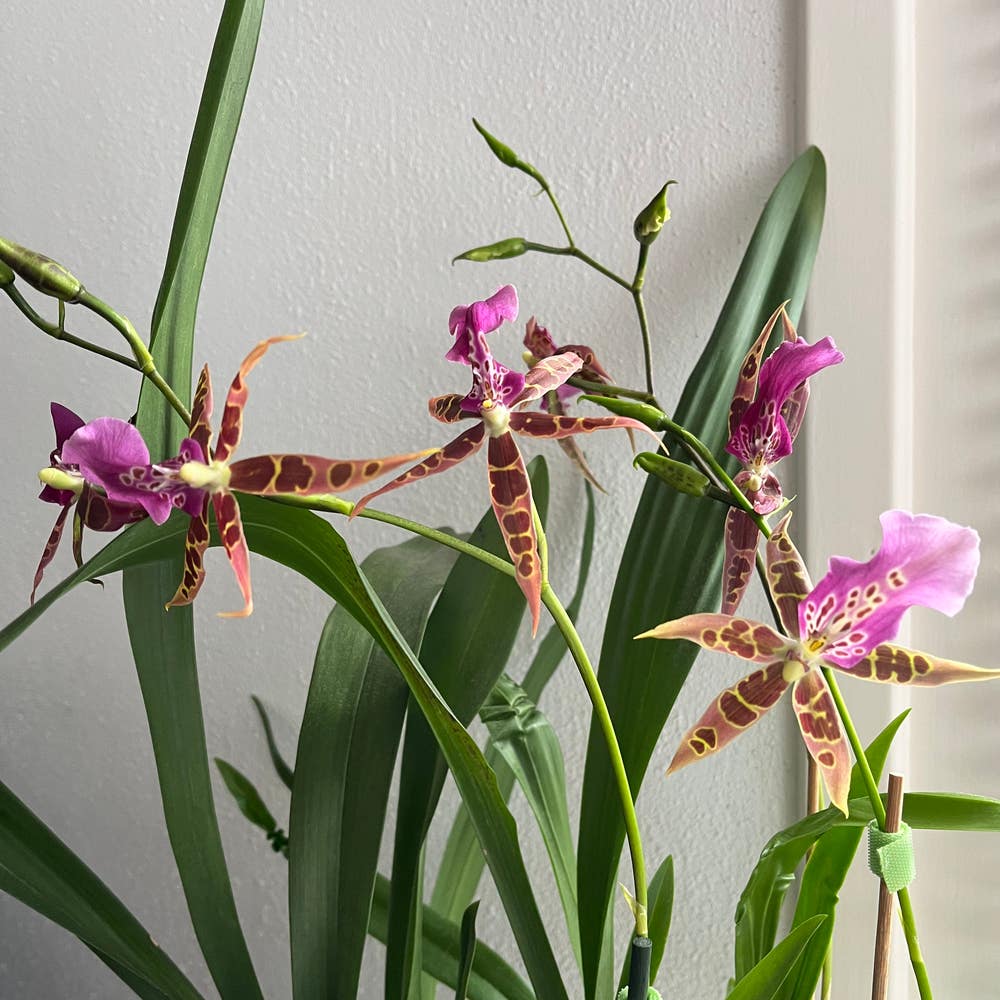
Zygopetalum maculatum
By the Greg Editorial Team
Sep 30, 2024•4 min read
This article was created with the help of AI so we can cover more plants for you. May contain errors. See one? Report it here.
Revive your drooping Zygopetalum orchid 🌱 with essential tips for watering, pests, and nutrients to ensure vibrant growth!
- 💧 Overwatering causes drooping leaves; let potting mix dry between waterings.
- 🌱 Nutrient deficiencies lead to leaf issues; establish a fertilization schedule.
- 🐛 Inspect regularly for pests like aphids; early detection is crucial for health.
Causes of Leaf Drooping
💧 Overwatering: Symptoms and Solutions
Overwatering is a common issue for Zygopetalum orchids. Symptoms include yellowing leaves, which indicate root stress, and soft, mushy leaves that signal rot.
To address overwatering, start by adjusting your watering frequency. Allow the potting mix to dry out between waterings to prevent further issues.
Improving drainage is also crucial. Use pots with drainage holes and a well-draining potting mix to keep roots healthy.
If root rot is present, repotting may be necessary. Replace the old potting mix to give your orchid a fresh start.
🌵 Underwatering: Symptoms and Solutions
Underwatering can lead to drooping leaves and loss of turgor. Symptoms include wilting leaves and dry, crispy edges, indicating prolonged drought.
To combat underwatering, increase your watering frequency. Water when the top inch of the potting mix feels dry to the touch.
Using a moisture meter can help you gauge soil moisture accurately. This tool ensures you’re providing the right amount of water.
Additionally, adjust environmental conditions to maintain adequate humidity levels. This will support your orchid's overall health.
🥦 Nutrient Deficiencies: Identifying and Addressing
Nutrient deficiencies can also cause leaf drooping. Common issues include nitrogen deficiency, which results in yellowing leaves, especially older ones, and magnesium deficiency, characterized by interveinal chlorosis.
To address these deficiencies, establish a fertilization schedule. Use a balanced orchid fertilizer every 4-6 weeks during the growing season for optimal growth.
Conducting a soil test can help identify specific nutrient needs. This step ensures your orchid receives the right nutrients.
If necessary, adjust your fertilizer type. Opt for a fertilizer high in nitrogen or magnesium based on your findings.
🐛 Pest Infestations: Common Pests and Treatment
Pest infestations can wreak havoc on your Zygopetalum. Common pests include aphids, small green insects found on leaf undersides, and mealybugs, which appear as white, cotton-like masses.
For treatment, start with manual removal. Wipe leaves with a damp cloth to eliminate pests effectively.
Insecticidal soap can also be beneficial. Apply it according to instructions to tackle infestations.
Regular inspections are key. Check your plants weekly for early signs of pests to catch issues before they escalate.
🦠 Diseases: Identifying Fungal and Bacterial Issues
Diseases can lead to significant leaf drooping. Root rot, often caused by overwatering, results in wilting and yellowing leaves, while bacterial leaf spot presents as water-soaked spots.
To identify these issues, inspect the roots. Remove the plant from its pot to check for rot and trim any affected roots.
Improving air circulation is essential. Ensure proper spacing between plants to reduce disease risk.
If fungal infections occur, consider using fungicides. Apply them as needed to protect your orchid from further damage.
Understanding these causes of leaf drooping will help you take proactive steps in caring for your Zygopetalum. With the right attention, your orchid can thrive and maintain its beautiful foliage.
Post-Diagnosis Care
Step-by-Step Recovery Plan for Affected Plants 🌱
- Identify the issue: Start by determining if your Zygopetalum is suffering from overwatering, underwatering, pests, or disease.
- Implement solutions: Adjust your watering schedule, treat any pests, or consider repotting if necessary.
- Monitor recovery: Keep an eye out for new growth and improved leaf health as signs of recovery.
Monitoring and Adjusting Care After Treatment 🔍
- Regular checks: Inspect your plant's leaves and roots weekly to spot any signs of improvement.
- Adjust care: Be ready to modify your watering and fertilization based on how your plant responds to treatment.
Long-term Care Strategies for Healthy Leaves 🌿
- Consistent care routine: Establish a reliable schedule for watering, light exposure, and humidity to keep your orchid thriving.
- Regular repotting: Refresh the potting mix every 1-2 years to ensure your Zygopetalum has the nutrients it needs for healthy growth.
- Education: Stay informed about Zygopetalum care through resources and community discussions to enhance your gardening skills.
By following these steps, you can help your Zygopetalum recover and flourish. With attentive care and a little patience, your orchid can thrive beautifully in your home.
⚠️ Safety First
This content is for general information and may contain errors, omissions, or outdated details. It is not medical, veterinary advice, or an endorsement of therapeutic claims.
Always consult a qualified healthcare professional before using any plant as food, medicine, or supplement.
Never eat any plant (or feed one to pets) without confirming its identity with at least two trusted sources.
If you suspect poisoning, call Poison Control (800) 222-1222, the Pet Poison Helpline (800) 213-6680, or your local emergency service immediately.
Spotted an error? Please report it here.
Keep your Zygopetalum orchid thriving 🌿 by using Greg's tailored watering reminders and community insights to combat drooping leaves and ensure vibrant growth!