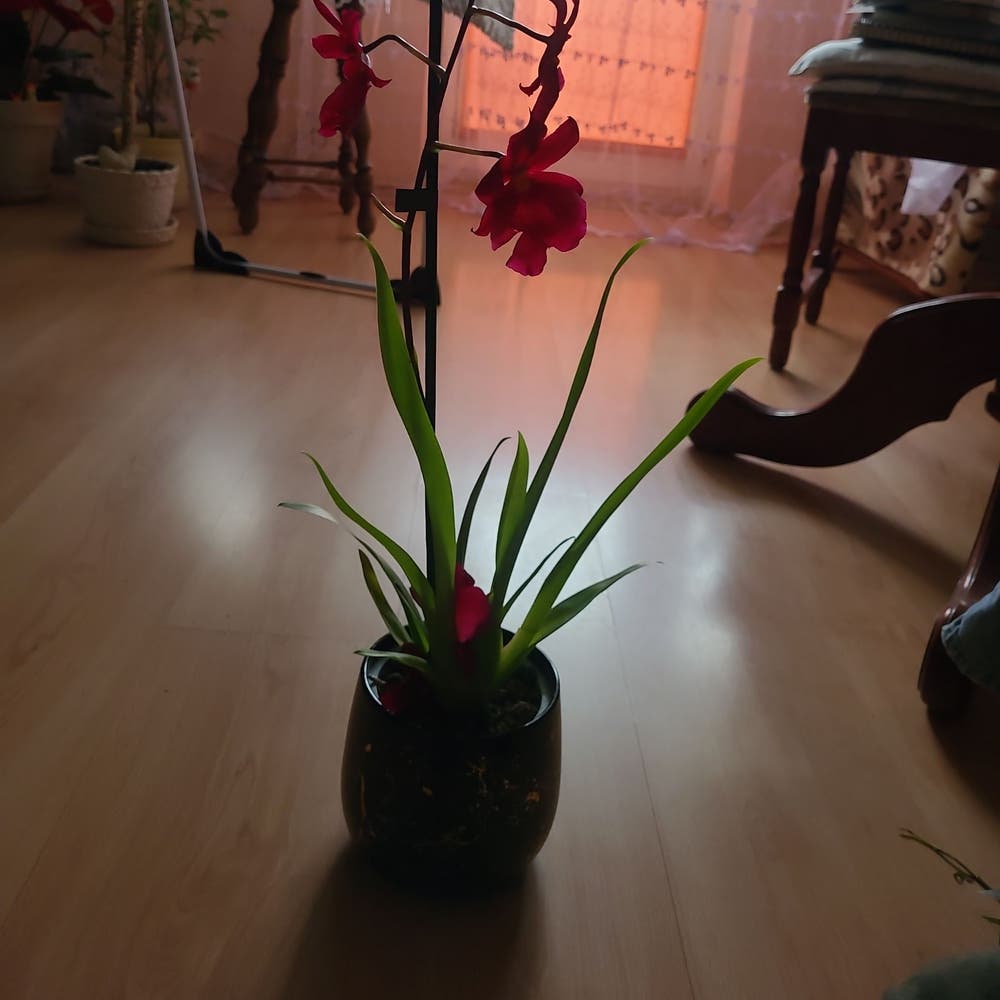
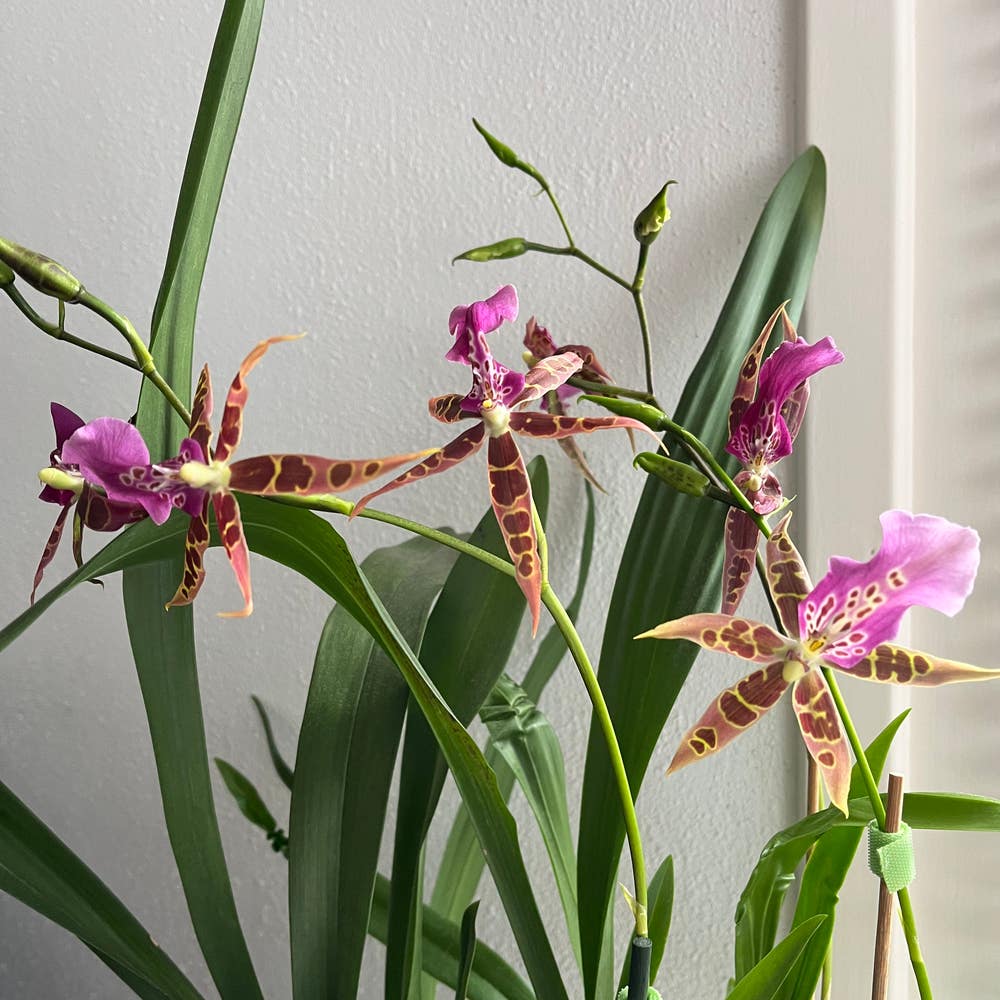
🌸 Top 5 Tips for Choosing Soil for Your Zygopetalum Orchid
Zygopetalum maculatum
By the Greg Editorial Team
Sep 30, 2024•5 min read
This article was created with the help of AI so we can cover more plants for you. May contain errors. See one? Report it here.
Unlock vibrant blooms for your Zygopetalum orchids 🌸 by mastering essential soil health tips and tricks!
- 🌱 Healthy soil is crucial; check for mold, odors, and compactness regularly.
- ⚖️ Ideal pH for Zygopetalum is 5.5 to 7.0; use a pH meter for accuracy.
- 🏡 Create a custom soil mix with orchid bark, moss, and perlite for optimal drainage.
Identifying Unhealthy Soil
🚩 Signs of Unhealthy Soil
Recognizing unhealthy soil is crucial for the well-being of your Zygopetalum orchid. Look for moldy soil indicators such as white or green mold on the surface, which can signal excessive moisture or poor air circulation.
Another red flag is a foul odor emanating from the soil, indicating decay or rot. Additionally, if the soil becomes hard and dense, it restricts root growth, making it difficult for your orchid to thrive.
🔍 How to Test Soil Health for Zygopetalum
To ensure your orchid's soil is healthy, start with visual inspection techniques. Check for discoloration or unusual textures that might suggest problems beneath the surface.
Next, employ soil moisture testing methods. You can use a moisture meter for accuracy or simply perform a finger test to gauge how wet the soil is. Both methods will help you assess whether your orchid is getting the right amount of moisture.
🛠️ Solutions for Moldy or Compacted Soil
If you discover moldy soil, take immediate action. Remove the affected soil and replace it with a fresh mix to prevent further issues. Improving air circulation around the plant can also help mitigate mold growth.
For compacted soil, gently aerate the soil using a fork or chopstick to loosen it up. If the problem persists, consider repotting your orchid with a fresh, well-draining mix to ensure it has the best environment for growth.
By staying vigilant about soil health, you can keep your Zygopetalum orchid thriving. Next, let’s explore the ideal pH range and nutrient needs for these beautiful plants.
Soil pH and Nutrient Needs
🌱 Ideal pH Range for Zygopetalum Orchids
Understanding soil pH is crucial for the health of your Zygopetalum orchids. The optimal pH range is between 5.5 and 7.0, which allows for effective nutrient absorption.
Incorrect pH levels can lead to nutrient deficiencies or toxicities, affecting your orchid's growth and blooming potential. Keeping the pH within the ideal range ensures your plant thrives.
📏 How to Measure Soil pH
Measuring soil pH is straightforward with the right tools. A pH meter or a soil test kit will give you accurate readings.
To test your soil pH, follow these steps:
- Collect a soil sample from the pot.
- Mix it with distilled water according to the kit instructions.
- Compare the results with the pH scale provided.
This simple process will help you understand your soil's acidity or alkalinity.
⚖️ Adjusting Soil pH for Optimal Growth
If your soil pH is outside the ideal range, adjustments are necessary. To lower pH, consider adding sulfur or peat moss.
Conversely, if you need to raise the pH, incorporating lime or wood ash can be effective. Remember, gradual adjustments are key to avoid shocking your plants.
Maintaining the right pH is essential for the overall health of your Zygopetalum orchids. With proper measurement and adjustments, you can ensure they receive the nutrients they need to flourish.
Next, let’s explore how to create a homemade soil mix tailored specifically for your orchids.
Creating a Homemade Soil Mix
🥣 Ingredients for a Homemade Soil Mix
Creating the perfect soil mix for your Zygopetalum orchids starts with the right ingredients. Key components include orchid bark, sphagnum moss, perlite, and charcoal, which together provide excellent drainage and aeration.
For those looking to enhance drainage further, consider adding coarse sand or pumice. These optional additives can help prevent water retention, ensuring your orchids thrive.
🛠️ Step-by-Step Guide to Mixing Soil
Mixing your homemade soil is straightforward. Follow these steps for the best results:
- Gather all ingredients in a clean container.
- Measure and combine them in the recommended ratios.
- Mix thoroughly to ensure even distribution.
- Test moisture retention by adding water and observing drainage.
This process ensures your soil is well-prepared for your orchids' needs.
🌱 Benefits of Homemade Soil vs. Commercial Mixes
Opting for a homemade soil mix offers several advantages. First, it allows for customization tailored to your Zygopetalum's specific needs, ensuring optimal growth.
Additionally, creating your own mix can be more cost-effective, as many ingredients are readily available. You also gain control over soil quality and freshness, which is crucial for maintaining healthy orchids.
With the right mix in hand, your Zygopetalum orchids will be set for success. Next, let’s explore when and how to repot these beautiful plants for continued growth.
Repotting and Soil Maintenance
🌱 When to Repot Zygopetalum Orchids
Repotting your Zygopetalum orchid is essential for its health. Look for signs like roots growing out of drainage holes or soil that has broken down and lost its drainage properties.
It's generally recommended to repot every 1-2 years, or whenever you notice these signs. Keeping an eye on your orchid's growth will help you determine the right timing.
🛠️ Best Practices for Repotting with New Soil
Repotting can seem daunting, but following a simple process makes it manageable. Start by gently removing the orchid from its pot.
Next, inspect the roots and trim away any dead or rotting sections. This step is crucial for promoting healthy growth.
Once you've prepared the roots, place the orchid in a new pot filled with fresh soil mix. Finally, water lightly to help settle the soil around the roots.
🌿 Ongoing Soil Maintenance Tips
Maintaining soil health is an ongoing task that pays off. Regularly check soil moisture levels to ensure your orchid is neither too dry nor too soggy.
Refreshing the top layer of soil annually can also help maintain its quality. Additionally, keep an eye out for signs of pests or diseases that could affect soil health.
By following these practices, you can ensure your Zygopetalum orchid thrives, setting the stage for vibrant blooms and robust growth. Now, let’s explore how to create a homemade soil mix tailored to your orchid's needs.
⚠️ Safety First
This content is for general information and may contain errors, omissions, or outdated details. It is not medical, veterinary advice, or an endorsement of therapeutic claims.
Always consult a qualified healthcare professional before using any plant as food, medicine, or supplement.
Never eat any plant (or feed one to pets) without confirming its identity with at least two trusted sources.
If you suspect poisoning, call Poison Control (800) 222-1222, the Pet Poison Helpline (800) 213-6680, or your local emergency service immediately.
Spotted an error? Please report it here.
Keep your Zygopetalum orchid thriving 🌿 by using Greg's tailored soil care reminders and tips to create the perfect mix for optimal growth!