🔍 What's Eating Your Zygopetalum Orchid
Zygopetalum maculatum
By the Greg Editorial Team
Sep 30, 2024•6 min read
This article was created with the help of AI so we can cover more plants for you. May contain errors. See one? Report it here.
Safeguard your breathtaking Zygopetalum orchids 🌸 from hungry herbivores with these essential protection tips!
- 🌸 Zygopetalum orchids are stunning but vulnerable to various herbivores like deer and rabbits.
- 🦌 Effective deterrents like fencing and netting protect orchids from common garden pests.
- 🐝 Pollinators are vital for orchid health; balance beauty with protective measures for success.
Description and Appeal
Appearance of Zygopetalum Orchid 🌸
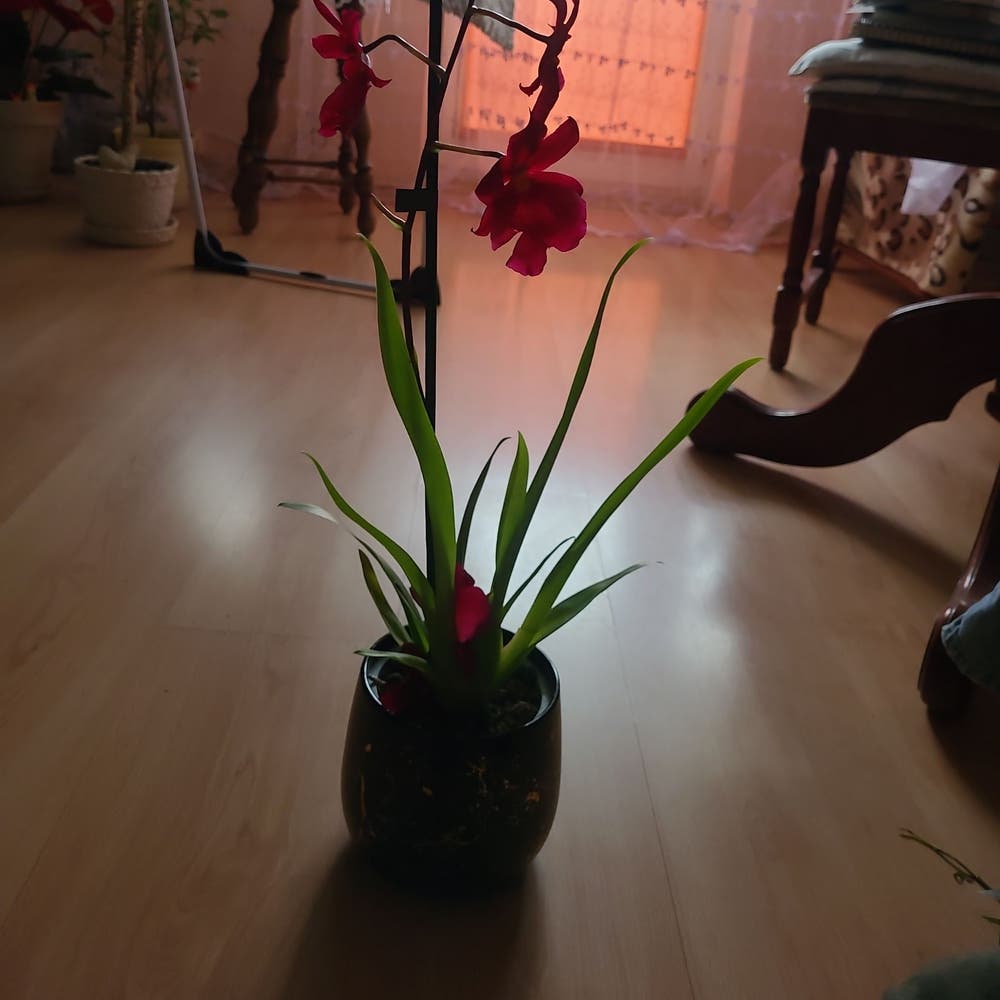
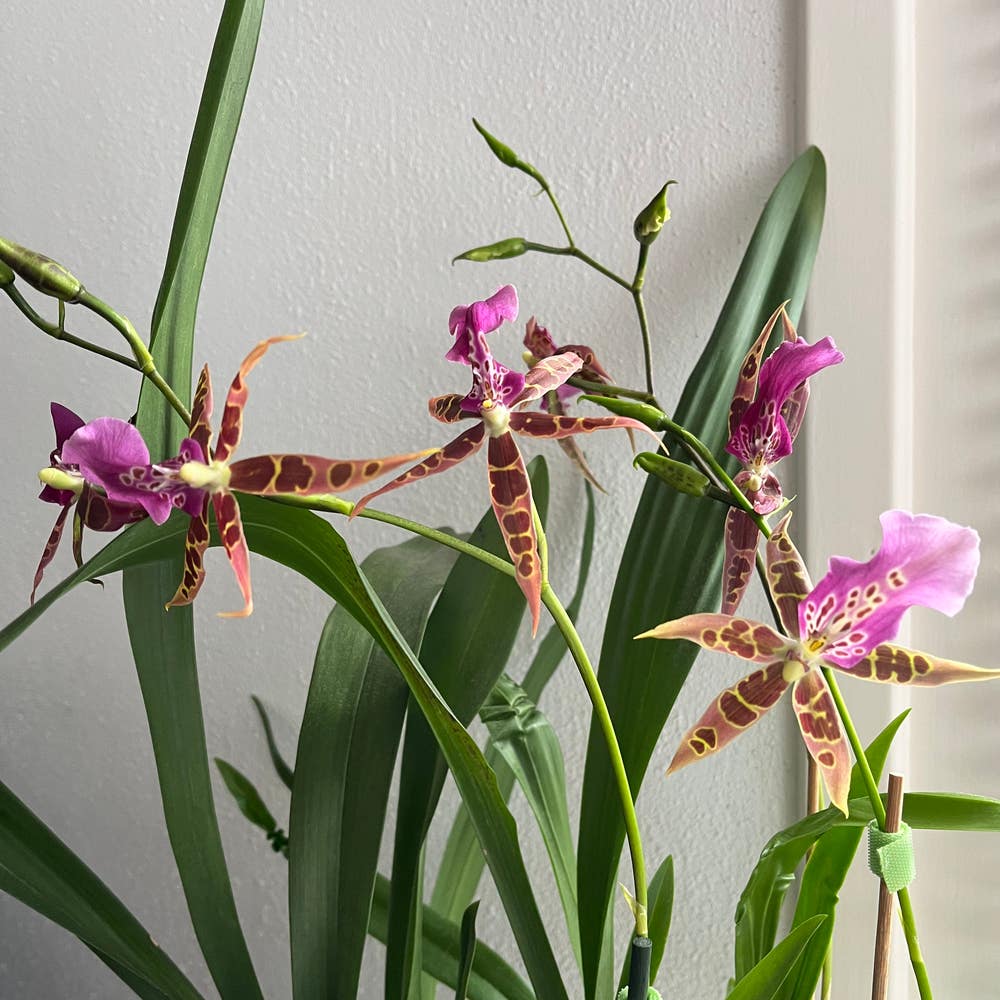
The Zygopetalum orchid is a true showstopper in the plant world. Its unique, fragrant flowers boast intricate patterns that captivate anyone who lays eyes on them.
These orchids come in stunning color variations, primarily showcasing purples, greens, and yellows. Each bloom is a masterpiece, making them a favorite among orchid enthusiasts.
Most Appealing Parts to Animals 🐾
Herbivores are drawn to the Zygopetalum orchid for several reasons. The tender petals and sweet nectar of its flowers are irresistible to various animals.
Additionally, young shoots offer a soft texture and high nutritional value, making them particularly appealing. This combination of traits can pose challenges for gardeners aiming to protect their prized orchids.
As you cultivate these beauties, keep in mind their allure to local wildlife. Understanding this dynamic can help you implement effective protection strategies.
Common Herbivores
🦌 Deer
Signs of presence
Look for distinct hoof prints near your Zygopetalum orchid. You might also notice nibbling on the edges of leaves, indicating deer have been feasting.
Type of damage
Deer browsing can lead to significant foliage removal, which stunts the growth of your orchids. This can be particularly detrimental during critical growth phases.
Interaction
Deer are generally harmful to orchid populations. If left unmanaged, they can decimate your plants, making it essential to take action.
Deterrent methods
Consider installing 8-foot tall fencing to keep deer at bay. You can also use commercial deer repellents or homemade solutions like garlic spray for added protection.
🐇 Rabbits
Signs of presence
Rabbits leave small, round droppings near the plants. You may also see clean cuts on stems and leaves, a telltale sign of their nibbling.
Type of damage
Gnawing on stems and leaves can be severe, potentially leading to plant death. Young plants are particularly vulnerable to these furry intruders.
Interaction
Rabbits are generally harmful, causing significant damage to young orchids. Their appetite can quickly turn a thriving plant into a sad sight.
Deterrent methods
Netting is an effective way to cover your plants and prevent rabbit access. You can also use strong-smelling herbs like mint as natural repellents.
🐿️ Squirrels
Signs of presence
Look for disturbed soil around the base of your orchid, indicating squirrels have been digging. Chewed flowers on the ground are another clear sign of their activity.
Type of damage
Squirrels can cause flower and leaf damage, removing blooms and foliage. This not only affects the plant's health but also its aesthetic appeal.
Interaction
Squirrels are generally harmful, impacting both flowering and overall health. Their playful antics can quickly turn into a nuisance for your orchids.
Deterrent methods
Use reflective objects or noise-making devices as scare tactics to keep squirrels away. Physical barriers around the plant can also provide effective protection.
🐦 Birds
Signs of presence
Feathers found near the plant can indicate bird activity. Peck marks on flower petals show that they’ve been sampling your orchids.
Type of damage
Birds pecking at flowers can reduce both aesthetic value and pollination potential. This can hinder the reproductive success of your orchids.
Interaction
Birds have a mixed role; while some may help with pollination, others can cause damage. It's essential to identify which birds are visiting your garden.
Deterrent methods
Consider using predator decoys to scare away unwanted birds. Hanging shiny materials can also deter feeding and protect your flowers.
🐭 Rodents
Signs of presence
Look for small burrows or pathways near your orchid, as well as dark droppings around the base. These signs indicate rodent activity.
Type of damage
Rodents can cause root damage and stem gnawing, leading to plant instability and potential death. Their impact can be severe if not addressed quickly.
Interaction
Rodents are generally harmful and can significantly affect plant health. Their presence can lead to a decline in your orchid's vitality.
Deterrent methods
Setting traps around the garden can help manage rodent populations. Encouraging natural predators like owls or hawks can also provide long-term solutions.
Understanding these common herbivores and their interactions with your Zygopetalum orchids is crucial for maintaining their health. By implementing effective deterrent methods, you can protect your plants and enjoy their beauty for years to come.
Beneficial Animals and Ecological Role
🐝 Pollinators
Pollinators like bees, butterflies, and moths play a crucial role in the life cycle of your Zygopetalum orchid. They are essential for reproduction and seed production, ensuring that these beautiful plants continue to thrive.
🌍 Positive Impacts on Ecosystem
Attracting a variety of species enhances biodiversity, which is vital for a healthy ecosystem. A diverse environment not only supports your orchids but also fosters natural pest control, as these beneficial animals help manage harmful insect populations.
By nurturing pollinators and other beneficial creatures, you contribute to a balanced ecosystem that supports both your garden and the broader environment. This symbiotic relationship is a beautiful reminder of nature's interconnectedness.
As you explore ways to protect your orchids, consider how these beneficial animals can enhance your gardening efforts. Next, let’s dive into effective protection strategies to keep your Zygopetalum safe from herbivores.
Protection Strategies
🛡️ Preventive Measures
One of the best ways to protect your Zygopetalum orchids is through fencing. Installing barriers, ideally at least 8 feet tall, can effectively keep herbivores at bay.
Another strategy is companion planting. By incorporating plants that deter herbivores or attract beneficial insects, you can create a more resilient garden ecosystem.
⚠️ Reactive Solutions
If you notice pests despite your preventive measures, consider setting traps. These can provide immediate removal of unwanted visitors, helping to safeguard your orchids.
Additionally, using organic repellents can deter animals naturally. Substances like garlic spray or hot pepper solutions are effective and eco-friendly options.
🌱 Seasonal Variations
Be aware that spring brings increased herbivore activity as plants begin to emerge. This is the time to be vigilant and proactive in protecting your orchids.
In summer, the peak flowering season may attract both pollinators and herbivores. While you want to encourage pollinators, be cautious of the potential for herbivore damage during this vibrant time.
By implementing these protection strategies, you can enjoy the beauty of your Zygopetalum orchids while minimizing the risks posed by various animals. Next, let’s explore the toxicity and safety considerations associated with these stunning plants.
Toxicity and Safety
Toxic Effects 🌿
Zygopetalum orchids exhibit mild toxicity, which can deter some herbivores. However, this isn't a foolproof defense, as many animals may still munch on these beautiful plants.
Safety Considerations ⚠️
It's crucial for gardeners to be aware of the potential risks associated with these orchids. Educating yourself about the effects on local fauna can help you create a safer environment for both your plants and the wildlife around them.
Understanding the balance between beauty and safety can enhance your gardening experience. With the right knowledge, you can enjoy your Zygopetalum orchids while protecting the local ecosystem.
As we move forward, let's explore effective protection strategies to keep your orchids thriving amidst potential threats.
⚠️ Safety First
This content is for general information and may contain errors, omissions, or outdated details. It is not medical, veterinary advice, or an endorsement of therapeutic claims.
Always consult a qualified healthcare professional before using any plant as food, medicine, or supplement.
Never eat any plant (or feed one to pets) without confirming its identity with at least two trusted sources.
If you suspect poisoning, call Poison Control (800) 222-1222, the Pet Poison Helpline (800) 213-6680, or your local emergency service immediately.
Spotted an error? Please report it here.
Keep your Zygopetalum orchids thriving 🌺 by using Greg's personalized care tips to protect them from herbivores while enjoying their stunning beauty!