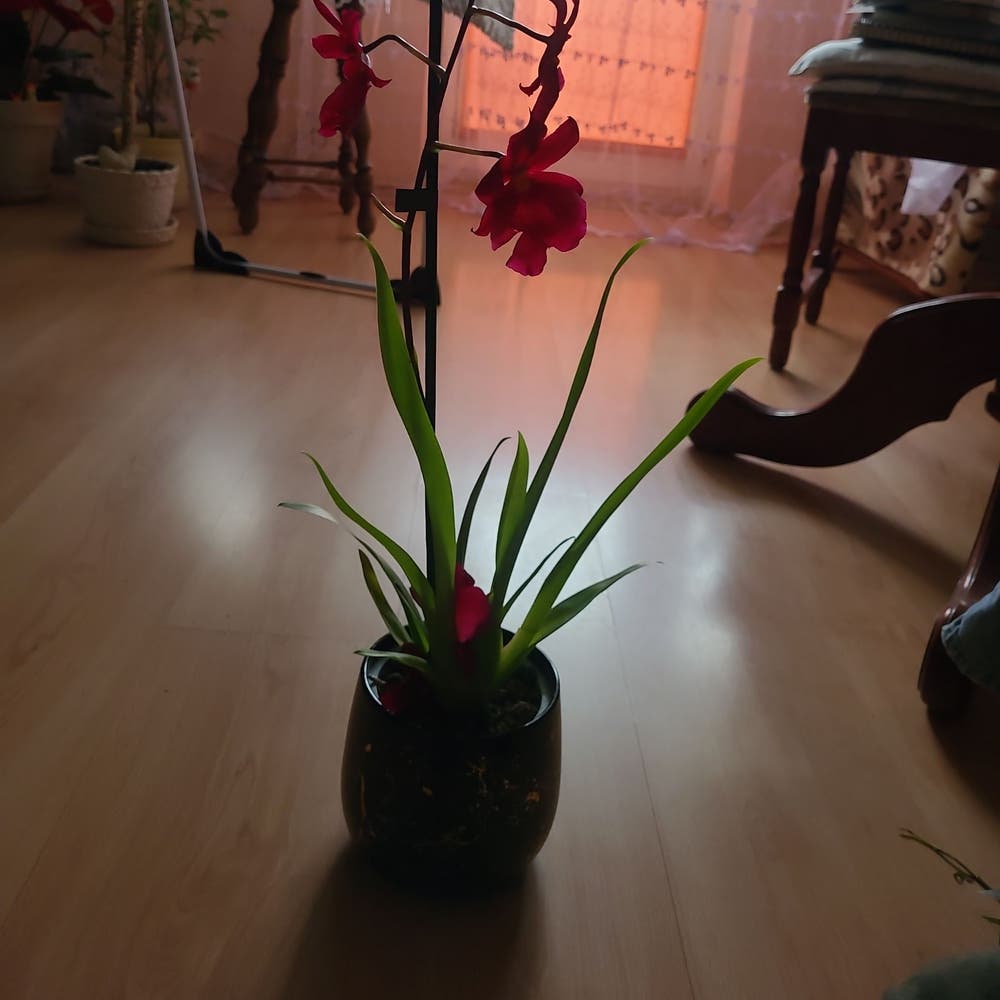
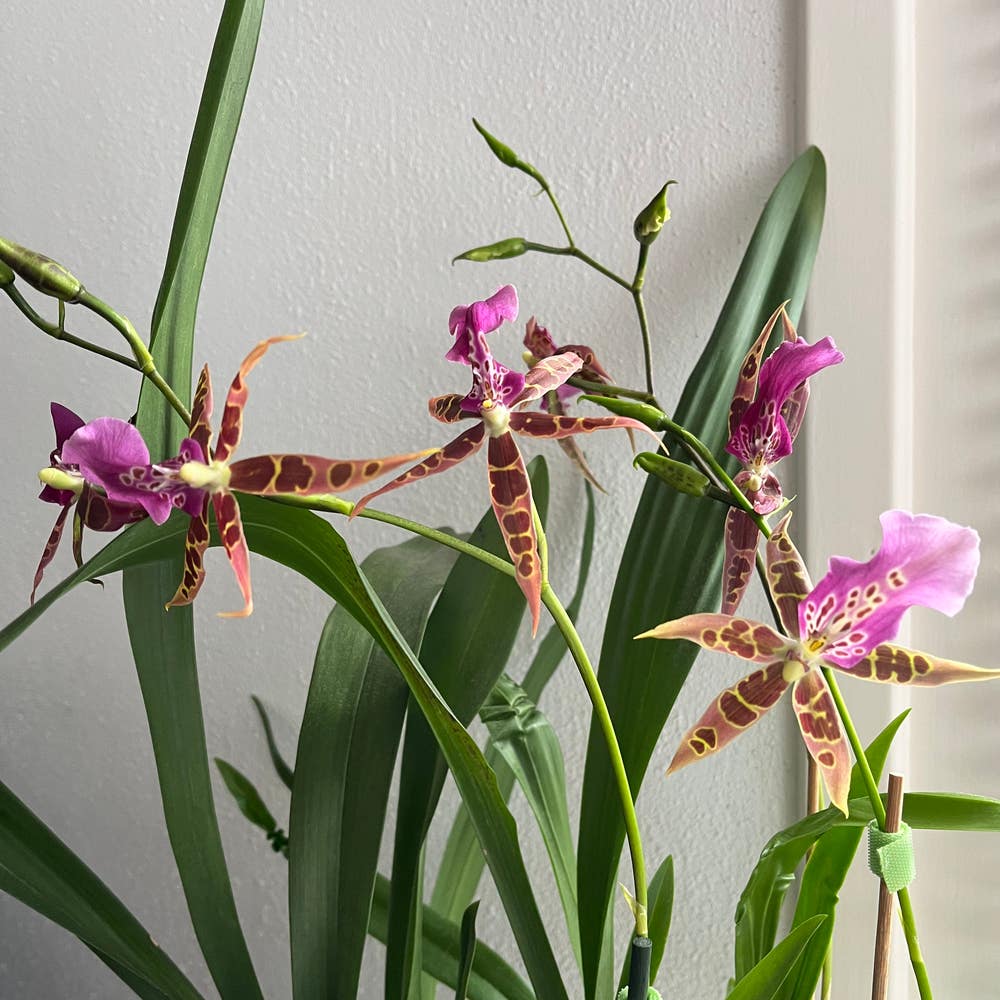
🦋 4 Tips for Growing Zygopetalum Orchid Outdoors
Zygopetalum maculatum
By the Greg Editorial Team
Sep 30, 2024•6 min read
This article was created with the help of AI so we can cover more plants for you. May contain errors. See one? Report it here.
Transform your Zygopetalum orchids 🌱 into outdoor showstoppers with these essential care tips for every season!
- 🌞 Zygopetalum orchids need 4-6 hours of bright, indirect sunlight for healthy growth.
- 💧 Water every 5-7 days; use the soak method to prevent root rot.
- 🌱 Choose well-draining soil and monitor for pests to ensure thriving orchids.
Outdoor Care Requirements
🌞 Sunlight Needs
Zygopetalum orchids thrive in bright, indirect sunlight for about 4-6 hours daily. If you notice stretched growth or pale leaves, your plant may not be getting enough light.
To adjust light exposure, consider using sheer curtains or shade cloth during intense sunlight. Alternatively, position your orchids near trees or structures to benefit from dappled light.
💧 Watering Requirements and Techniques
During the growing season, water your orchids every 5-7 days, reducing frequency in winter.
For effective watering, try the soak method: submerge the pot in water for 10-15 minutes, then let excess water drain. Always ensure pots have drainage holes and check soil moisture before watering to avoid overwatering.
Signs of overwatering include yellowing leaves and root rot, so keep an eye out for these indicators.
🌱 Soil Preferences and Amendments
Zygopetalum orchids prefer a well-draining, organic-rich soil mix, such as bark or sphagnum moss. The ideal soil pH ranges from slightly acidic to neutral (5.5-7.0).
To enhance your soil, consider adding perlite for better aeration and incorporating compost for added nutrients.
🌼 Fertilization Schedule and Types
Fertilize your orchids every 4-6 weeks during the growing season to support their growth.
Use a balanced orchid fertilizer (30-10-10) diluted to half strength, or opt for organic options like fish emulsion or seaweed extract. Watch for signs of nutrient deficiency, such as stunted growth or yellowing leaves, to ensure your orchids are thriving.
With these outdoor care requirements in mind, your Zygopetalum orchids will flourish beautifully. Next, let’s explore the various planting options available for these stunning plants.
Planting Options
🌱 Benefits and Drawbacks of Container Planting
Container planting offers several advantages for growing Zygopetalum orchids.
Mobility
One of the biggest perks is mobility; you can easily relocate your orchids to find the best light or protect them from harsh weather.
Controlled Environment
Containers also provide a controlled environment, making it simpler to manage soil conditions and watering needs.
Aesthetic Appeal
Plus, decorative pots can enhance your garden's design, adding a touch of elegance.
However, container planting does come with its challenges.
Limited Root Space
Limited root space means you may need to repot your orchids more frequently to ensure they have enough room to grow.
Temperature Fluctuations
Additionally, containers can lead to temperature fluctuations, making roots more susceptible to overheating or freezing.
🌍 Benefits and Drawbacks of Ground Planting
Ground planting has its own set of pros and cons for Zygopetalum orchids.
Natural Growth Conditions
One major benefit is that ground planting provides natural growth conditions, which often leads to better moisture retention and nutrient availability.
Larger Root System
A larger root system promotes healthier plants and more robust growth, allowing your orchids to thrive.
On the flip side, ground planting presents some challenges.
Less Control Over Soil Conditions
You have less control over soil conditions, requiring careful monitoring of drainage and pH levels to keep your orchids happy.
Vulnerability to Pests and Diseases
Moreover, ground-planted orchids are more vulnerable to pests and diseases, increasing their exposure to outdoor threats.
In summary, both container and ground planting have unique benefits and drawbacks. Choosing the right method depends on your specific gardening conditions and preferences. Next, let’s explore how to protect your orchids from environmental factors.
Protection from Environmental Factors
🌤️ Weather Protection Strategies
To keep your Zygopetalum orchids thriving outdoors, weather protection is essential. Use shade cloth or garden structures to shield them from harsh sunlight, especially during peak hours.
Mulching around the base helps retain moisture and regulate soil temperature. This simple step can make a significant difference in maintaining healthy roots.
During cold snaps, covering your plants with frost cloth is crucial. This extra layer can protect them from frost damage and ensure they survive chilly nights.
🐛 Managing Outdoor Pests
Pests can be a real headache for outdoor orchids. Aphids are common culprits, leaving behind sticky residue and curling leaves. Control them effectively with neem oil or insecticidal soap.
Slugs and snails can also wreak havoc, creating irregular holes in leaves. Handpicking them or using copper barriers can keep these pests at bay.
Spider mites are another concern, often indicated by fine webbing and stippled leaves. Increasing humidity and applying miticides can help manage these tiny invaders.
🦠 Disease Prevention and Treatment
Preventing diseases is key to keeping your orchids healthy. Root rot is a frequent issue caused by overwatering, so ensure proper drainage to avoid this problem.
Fungal infections can manifest as leaf spots. Treat these with fungicides as soon as you notice symptoms to prevent further spread.
Regularly inspecting your plants for signs of distress is vital. Maintaining good air circulation around your orchids can also help prevent many common diseases.
With these strategies in place, your Zygopetalum orchids will be well-protected from environmental factors, allowing them to flourish in your outdoor space. Next, let’s explore seasonal care to keep your orchids thriving throughout the year.
Seasonal Care
🌱 Seasonal Changes and Their Impact
Spring marks the active growth phase for your Zygopetalum orchids. During this time, increase both watering and fertilization to support their vibrant growth.
In summer, keep a close eye on pests and ensure your orchids have adequate moisture. This is crucial as the heat can stress the plants.
As fall approaches, gradually reduce watering as temperatures begin to drop. This helps prepare your orchids for the cooler months ahead.
Winter requires special attention; protect your orchids from frost and reduce fertilization to prevent stress during dormancy.
❄️ Winter Care Tips
For container-grown orchids, moving them indoors or to a sheltered location is essential. This protects them from harsh winter conditions.
If your orchids are planted in the ground, use frost cloths during extreme cold to shield them.
Additionally, reduce watering frequency to prevent root rot, which can be a real concern in cooler temperatures.
🌼 Spring and Summer Care Considerations
As spring unfolds and days lengthen, increase light exposure for your orchids. This helps them thrive during their growing season.
Regularly check for pests and diseases, as these can quickly become problematic.
Fertilize every 4-6 weeks to support robust growth and keep your orchids healthy.
🍂 Fall Preparation
As fall sets in, trim any dead or damaged leaves. This promotes healthy growth and prepares your orchids for winter.
Applying mulch around the base can protect roots from freezing temperatures.
Finally, transition to winter care routines to ensure your orchids remain healthy and vibrant through the colder months.
With these seasonal care tips, your Zygopetalum orchids will flourish year-round, setting the stage for a stunning display in your outdoor space.
Climate Zone Considerations
Identifying Suitable Climate Zones 🌍
For growing Zygopetalum orchids outdoors, the ideal climate zones are USDA zones 10-11. If you notice leaf drop or stunted growth, it may indicate unsuitable conditions for your orchids.
Special Considerations for Different Climate Zones 🌦️
In tropical zones, these orchids thrive with higher humidity and consistent watering. Temperate zones require extra care during winter months, while dry climates demand increased watering and humidity management to keep your orchids healthy.
Tips for Growing in Extreme Climates ☀️
To combat dry conditions, consider using humidity trays or misting systems. During extreme heat, providing shade is essential, and in colder climates, insulating pots can protect the roots from freezing temperatures.
Understanding your climate zone is crucial for the successful outdoor growth of Zygopetalum orchids. With the right care tailored to your environment, you can enjoy vibrant blooms year-round.
⚠️ Safety First
This content is for general information and may contain errors, omissions, or outdated details. It is not medical, veterinary advice, or an endorsement of therapeutic claims.
Always consult a qualified healthcare professional before using any plant as food, medicine, or supplement.
Never eat any plant (or feed one to pets) without confirming its identity with at least two trusted sources.
If you suspect poisoning, call Poison Control (800) 222-1222, the Pet Poison Helpline (800) 213-6680, or your local emergency service immediately.
Spotted an error? Please report it here.
Transform your Zygopetalum orchids into outdoor showstoppers 🌼 with Greg's customized care reminders that ensure they get the perfect light, water, and nutrients all year round!