🌸 Step-by-Step Guide to Zygopetalum Orchid Flowers
Zygopetalum maculatum
By the Greg Editorial Team
Sep 30, 2024•5 min read
This article was created with the help of AI so we can cover more plants for you. May contain errors. See one? Report it here.
Transform your Zygopetalum Orchids into blooming beauties 🌸 with essential care tips for vibrant growth and longevity!
- 🌸 Zygopetalum Orchids boast stunning flowers, making them favorites among enthusiasts.
- 🌞💧 Light, humidity, and temperature are key for encouraging Zygopetalum blooms.
- 🌱 Regular fertilization and soil checks prevent nutrient deficiencies that hinder flowering.
Flowering Status
🌸 Clarification on Flowering Status
Zygopetalum Orchids are indeed flower producers, making them a sought-after choice for orchid enthusiasts. Their flowering is crucial not just for aesthetic appeal but also for the plant's overall life cycle.
❌ Reasons for Non-Flowering
Several factors can lead to non-flowering in Zygopetalum Orchids.
🌤️ Environmental Factors
Light, humidity, and temperature fluctuations can significantly hinder flowering. Ensuring a stable environment is key to encouraging blooms.
🥦 Nutrient Deficiencies
A lack of essential nutrients may prevent these orchids from forming flowers. Regularly checking soil quality and fertilization can help mitigate this issue.
😰 Stress Factors
Overwatering or pest infestations can stress the plant, leading to non-flowering. Monitoring watering habits and keeping an eye out for pests is essential for maintaining plant health.
Understanding these aspects can help you create the ideal conditions for your Zygopetalum Orchids to thrive and bloom beautifully. Next, we’ll explore the captivating characteristics of their flowers.
Flower Characteristics
Description of Colors and Structure 🌈
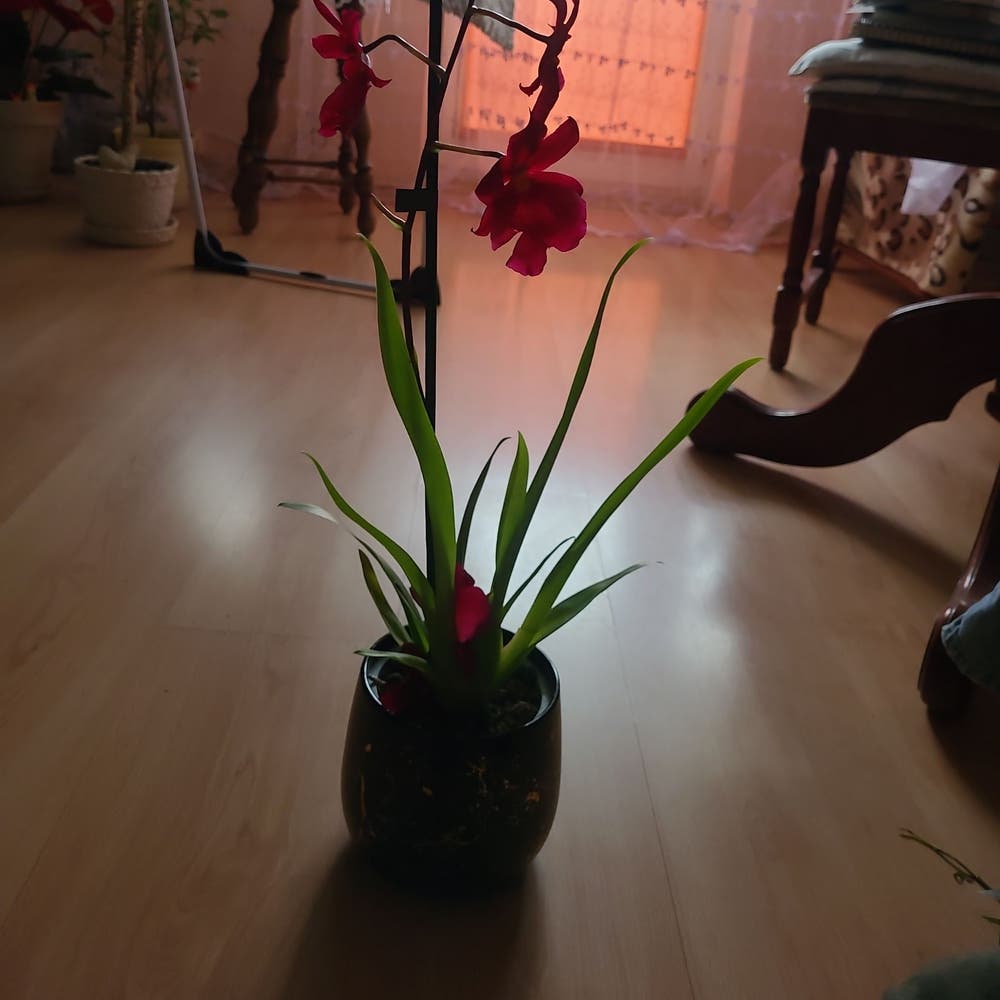
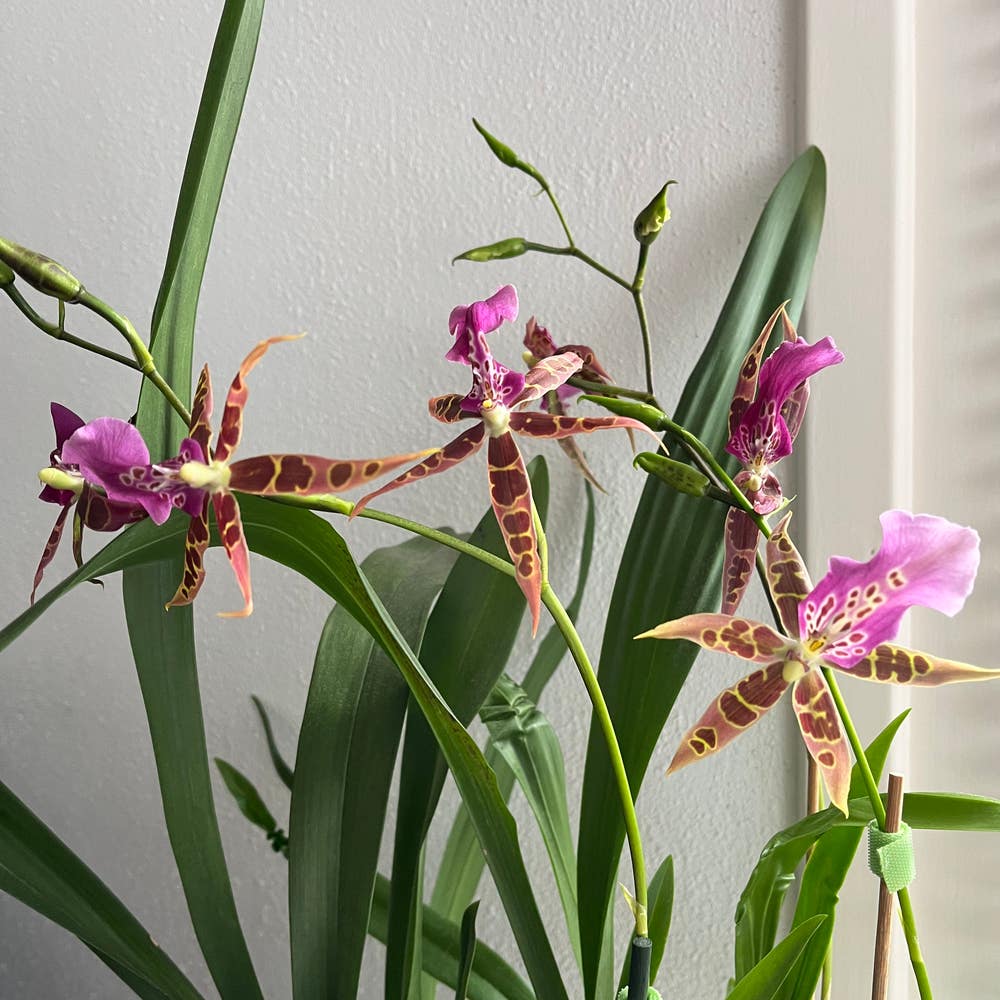
Zygopetalum Orchids are a feast for the eyes, showcasing vibrant colors like purples, greens, and whites. Their intricate patterns and unique shapes make them stand out in any collection.
The flowers feature a fascinating petal arrangement, often adorned with striking markings. Additionally, they emit a notable fragrance that not only pleases the senses but also attracts pollinators, enhancing their reproductive success.
Self-Pollination vs. External Pollination 🔄
While Zygopetalum Orchids primarily rely on cross-pollination, they can self-pollinate under specific conditions. This dual strategy allows them to adapt to varying environmental factors, ensuring their survival and cultivation success.
Understanding this reproductive approach is crucial for orchid enthusiasts. It highlights the importance of providing the right conditions to encourage both types of pollination, ultimately leading to healthier blooms.
Blooming Process
Stages of Blooming 🌸
The blooming process of Zygopetalum Orchids begins with bud formation. This initial stage requires specific conditions, such as adequate light and humidity, to stimulate growth.
As the buds develop, they transition through various blooming stages. You'll notice visual changes, from tight buds to the gradual unfurling of vibrant petals.
Typical Bloom Time and Duration ⏳
Zygopetalum Orchids typically bloom from late winter to early spring. The average time from bud formation to full bloom is about 6 to 8 weeks.
Several factors can influence this timeline, particularly light exposure and temperature. Ensuring optimal conditions can help you enjoy a more vibrant display.
Lifespan of Flowers 🌼
Once in full bloom, Zygopetalum flowers can last several weeks. Their longevity depends on environmental conditions and the care practices you implement.
Proper watering and humidity levels play a crucial role in maintaining flower health. With the right attention, you can extend the beauty of your blooms.
Understanding the blooming process is essential for any orchid enthusiast. It sets the stage for nurturing these stunning plants and anticipating their next display.
Encouraging Blooms
🌼 Tips for Encouraging Blooming
To encourage your Zygopetalum Orchids to bloom, start with optimal light conditions. These orchids thrive in bright, indirect light, which mimics their natural habitat.
Next, focus on your watering practices. Maintaining consistent moisture is key, but be cautious not to overwater, as this can lead to root rot and hinder blooming.
Fertilization also plays a crucial role in encouraging blooms. Use a balanced orchid fertilizer, applying it every few weeks during the growing season to provide essential nutrients.
🌿 Factors Influencing Flowering
Environmental conditions significantly impact flowering. Ensure your orchids are in a space with adequate humidity levels and stable temperature ranges, ideally between 65°F to 75°F (18°C to 24°C).
Seasonal changes can also affect blooming. Be mindful of how light exposure and temperature fluctuations throughout the year can influence your orchid's flowering cycle.
By paying attention to these factors, you can create an ideal environment for your Zygopetalum Orchids to thrive and bloom beautifully.
As we explore the post-flowering care, understanding what happens after blooming is essential for maintaining the health of your orchids.
Post-Flowering Care
What Happens After Flowering 🌼
Once Zygopetalum Orchids finish blooming, they enter a crucial rest period. During this time, the plant conserves energy and prepares for its next flowering cycle.
Proper care during this rest phase is essential. It ensures the orchid remains healthy and ready to produce vibrant blooms in the future.
Discussion on Plant Longevity 🌱
It's a common misconception that Zygopetalum Orchids die after flowering. In reality, these resilient plants continue to thrive with the right care.
Understanding their life cycle is key. Regular maintenance, including appropriate watering and feeding, supports their longevity and blooming potential.
Unique Aspects
Unusual Characteristics 🌈
Zygopetalum Orchids are truly unique among their orchid relatives. Their striking colors, often featuring deep purples, vibrant greens, and intricate white patterns, make them stand out in any collection.
These orchids also boast a distinctive flower structure. The petals are arranged in a way that creates a captivating visual display, often with intricate markings that resemble artful brush strokes. Each variety has its own quirks, with some producing larger blooms or more intense fragrances than others.
Interesting Facts 🤓
Historically, Zygopetalum flowers have held significant cultural meanings. In various cultures, they symbolize beauty and strength, often associated with resilience in challenging environments.
Moreover, these orchids have fascinating adaptations that enhance their reproductive success. Their unique scent attracts specific pollinators, ensuring effective cross-pollination, which is crucial for their survival and propagation.
Understanding these unique aspects not only enriches your appreciation for Zygopetalum Orchids but also enhances your cultivation experience. As you delve deeper into their characteristics, you’ll find that caring for them becomes even more rewarding.
Next, let’s explore how to encourage these stunning blooms to flourish in your home.
⚠️ Safety First
This content is for general information and may contain errors, omissions, or outdated details. It is not medical, veterinary advice, or an endorsement of therapeutic claims.
Always consult a qualified healthcare professional before using any plant as food, medicine, or supplement.
Never eat any plant (or feed one to pets) without confirming its identity with at least two trusted sources.
If you suspect poisoning, call Poison Control (800) 222-1222, the Pet Poison Helpline (800) 213-6680, or your local emergency service immediately.
Spotted an error? Please report it here.
Unlock the breathtaking blooms of your Zygopetalum Orchids 🌸 with Greg's tailored care reminders and expert tips to keep them thriving all year round!