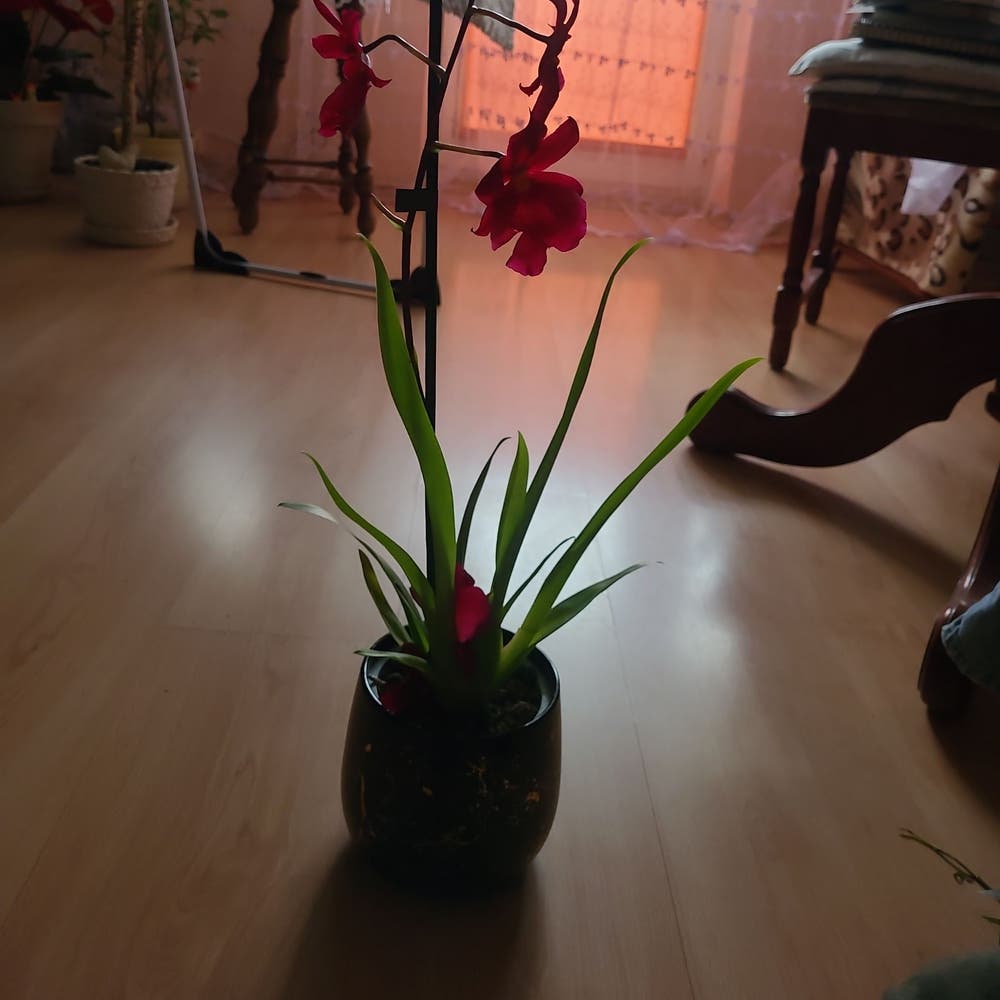
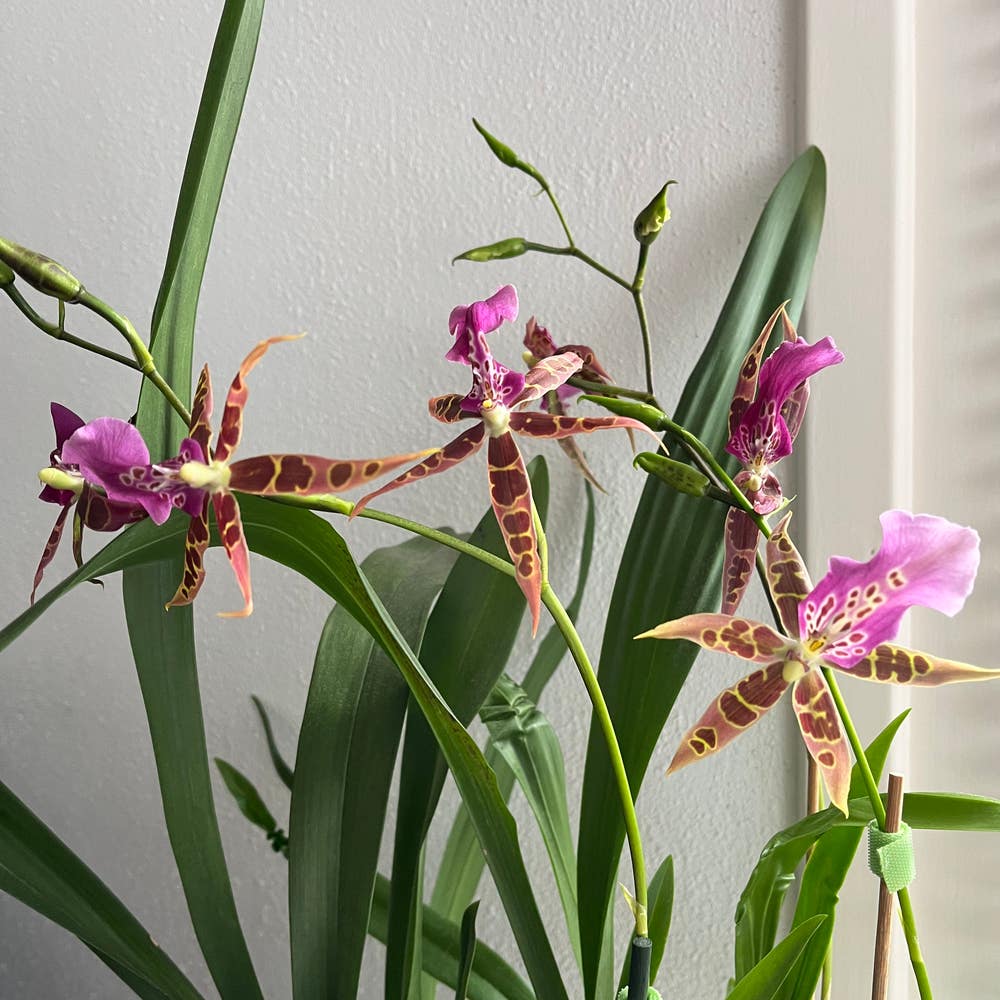
🌸 How Big Zygopetalum Orchid Grows
Zygopetalum maculatum
By the Greg Editorial Team
Sep 30, 2024•3 min read
This article was created with the help of AI so we can cover more plants for you. May contain errors. See one? Report it here.
Master the art of growing Big Zygopetalum orchids 🌱 with essential tips for size and thriving conditions! 🌼
- 🌱 Big Zygopetalum orchids grow 12-24 inches tall; size varies by species.
- 💡 Bright, indirect light and humidity are crucial for optimal growth.
- 🌡️ Ideal temperatures of 65°F to 80°F support healthy development.
Mature Height and Spread
Typical Mature Dimensions 🌱
Big Zygopetalum orchids typically reach an average height of 12 to 24 inches and spread about 12 to 18 inches. These dimensions can vary based on the specific variety, growing conditions, and care practices you implement.
Size Variability 📏
Different species of Zygopetalum can exhibit significant size differences. While some may remain compact, dwarf varieties usually grow to about 6 to 10 inches tall, whereas giant varieties can exceed 30 inches in height.
Understanding these dimensions is crucial for planning your orchid care and ensuring your plant thrives. Next, we’ll explore how growth rates can vary based on environmental factors.
Growth Rate
General Growth Rate 🌱
The growth rate of Big Zygopetalum orchids can be moderate to fast, depending on the conditions they are in. Key factors influencing this growth include light, temperature, humidity, and soil type.
Time to Reach Full Size ⏳
On average, these orchids take about 2-3 years to reach their mature dimensions. However, this timeframe can vary based on environmental conditions and the care practices you implement.
Understanding these growth dynamics is essential for any orchid enthusiast. With the right conditions, your Big Zygopetalum can thrive beautifully, setting the stage for the next section on how to influence its size through careful cultivation techniques.
Influence of Growing Conditions on Size
🌞 Impact of Light
Bright, indirect light is crucial for the healthy growth of Zygopetalum orchids. Insufficient light can lead to stunted growth and smaller plants, so positioning them correctly is key.
🌡️ Effect of Temperature
These orchids thrive in temperatures ranging from 65°F to 80°F (18°C to 27°C). Extreme temperatures can hinder growth, making it essential to maintain a stable environment.
💧 Role of Humidity
Zygopetalums prefer humidity levels between 50-70% for optimal growth. Low humidity can result in smaller plants and overall poor health, so consider using a humidifier or pebble tray.
🌱 Soil Type
A well-draining orchid mix is recommended for Zygopetalum orchids. Poor soil conditions can restrict root growth, ultimately affecting the plant's size and vitality.
Understanding these growing conditions can significantly influence the size and health of your Zygopetalum orchids. Next, we'll explore how you can control their size through specific care techniques.
Controlling Size through Care Techniques
✂️ Pruning Techniques
Pruning is essential for managing the size of your Big Zygopetalum orchid. It encourages healthy growth by cutting back old pseudobulbs and spent flower spikes, allowing the plant to focus its energy on new growth.
🪴 Pot Size
Choosing the right pot size is crucial for root development and overall plant size. If your orchid outgrows its pot, it's time to pot up to ensure optimal growth and prevent root crowding.
🌱 Fertilization Practices
Using a balanced orchid fertilizer supports healthy growth and size. Apply it monthly during the growing season to give your plant the nutrients it needs to thrive.
💧 Watering Practices
Consistent moisture is key, but avoid waterlogging your orchid. Both overwatering and underwatering can stunt growth and lead to size issues, so find a balance that works for your plant.
By implementing these care techniques, you can effectively control the size of your Big Zygopetalum orchid, ensuring it remains healthy and vibrant. Next, let’s explore how different growing conditions can further influence its size.
⚠️ Safety First
This content is for general information and may contain errors, omissions, or outdated details. It is not medical, veterinary advice, or an endorsement of therapeutic claims.
Always consult a qualified healthcare professional before using any plant as food, medicine, or supplement.
Never eat any plant (or feed one to pets) without confirming its identity with at least two trusted sources.
If you suspect poisoning, call Poison Control (800) 222-1222, the Pet Poison Helpline (800) 213-6680, or your local emergency service immediately.
Spotted an error? Please report it here.
Unlock the secret to a thriving Zygopetalum orchid 🌸 with Greg's tailored care reminders and expert tips that will help you master its growth requirements!