Zygopetalum Orchid is Not an Invasive Plant 🌸
Zygopetalum maculatum
By the Greg Editorial Team
Sep 30, 2024•5 min read
This article was created with the help of AI so we can cover more plants for you. May contain errors. See one? Report it here.
Enhance your garden's beauty and biodiversity with non-invasive Zygopetalum orchids! 🌿
- 🌱 Zygopetalum orchids are non-invasive, growing moderately without aggressive spreading.
- 🌼 They enhance gardens with fragrant flowers, attracting beneficial pollinators like bees.
- 🌍 These orchids support biodiversity, coexisting harmoniously with native plants and wildlife.
Plant Classification
🌱 Definition of Invasive Species
Invasive species are plants or animals that grow rapidly and spread aggressively. They often displace native flora, leading to negative impacts on local ecosystems.
- Characteristics of Invasive Species:
- Rapid Growth and Spread: They can quickly dominate an area.
- Displacement of Native Flora: They outcompete local plants for resources.
- Negative Impact on Local Ecosystems: They disrupt the balance of the environment.
🌸 Why Zygopetalum Orchid is Not Invasive
Zygopetalum orchids stand out for their moderate growth rate. Unlike invasive species, they do not spread aggressively.
- Growth Habits: These orchids typically grow as epiphytes or lithophytes, which naturally limits their spread.
- Ecological Balance: Zygopetalum does not outcompete native plants or disrupt local ecosystems, making it a harmonious addition to gardens.
Incorporating Zygopetalum into your garden not only enhances its beauty but also supports ecological balance. Next, let's explore the growth habits of this unique orchid.
Growth Habits
Typical Growth Patterns in Gardens 🌱
Zygopetalum orchids thrive as epiphytes or lithophytes, making them perfect for humid, shaded environments. Their unique growth form allows them to flourish without overwhelming their surroundings.
These orchids produce fragrant flowers that not only enhance garden aesthetics but also attract pollinators. This dual benefit makes them a delightful addition to any garden space.
Natural Limits to Growth and Spread Potential 🚧
To thrive, Zygopetalum requires specific humidity and light levels. This need for particular conditions naturally limits their growth and spread.
Additionally, Zygopetalum does not self-propagate aggressively. Environmental factors play a significant role in keeping their spread in check, ensuring they remain a manageable and beautiful choice for gardeners.
As we explore the ecological role of Zygopetalum, we’ll see how these orchids contribute positively to their environments.
Ecological Role
Benefits in Gardens and Ecosystems 🌼
Zygopetalum orchids play a vital role in attracting pollinators. Their fragrant flowers serve as a food source for bees and other beneficial insects, enhancing the overall health of your garden.
Additionally, these orchids contribute to biodiversity. They coexist harmoniously with other plants, enriching the plant community without overwhelming it.
Positive Interactions with Local Wildlife 🦋
These orchids provide essential habitat for small wildlife. They offer shelter and a safe space for various creatures, promoting a balanced ecosystem.
Moreover, Zygopetalum engages in mutualistic relationships with local flora and fauna. This interaction fosters a thriving environment where both plants and animals benefit, creating a vibrant garden ecosystem.
As we explore the next section on garden management, consider how these ecological benefits can influence your gardening choices.
Garden Management
Incorporating into Garden Designs 🌿
Zygopetalum orchids thrive in shaded areas, making them perfect for spots that lack direct sunlight. Pair them with other non-invasive plants to create a harmonious garden aesthetic that celebrates diversity.
Companion planting is a fantastic strategy. Choose plants with similar care requirements to enhance growth and ensure a vibrant, healthy garden.
Growth Control Methods for Aesthetic Purposes ✂️
Regular pruning is essential for maintaining the desired shape and size of your Zygopetalum. This not only keeps your garden looking tidy but also promotes healthy growth.
Monitoring environmental conditions is crucial. Keep an eye on humidity and light levels to prevent overgrowth and ensure your orchids flourish without overwhelming their surroundings.
By effectively managing Zygopetalum in your garden, you can enjoy its beauty while maintaining ecological balance. Next, let’s explore the ecological role these orchids play in gardens and ecosystems.
Comparison to Other Plants
🌱 Similar Non-Invasive Plants
Zygopetalum orchids share their non-invasive nature with several other orchids and epiphytic plants. For instance, Dendrobium and Phalaenopsis orchids also thrive in similar conditions without overwhelming their surroundings.
These plants enhance garden diversity, creating a vibrant ecosystem. Zygopetalum's unique growth habits allow it to coexist beautifully alongside these companions, enriching the overall aesthetic and health of the garden.
🌟 Unique Qualities
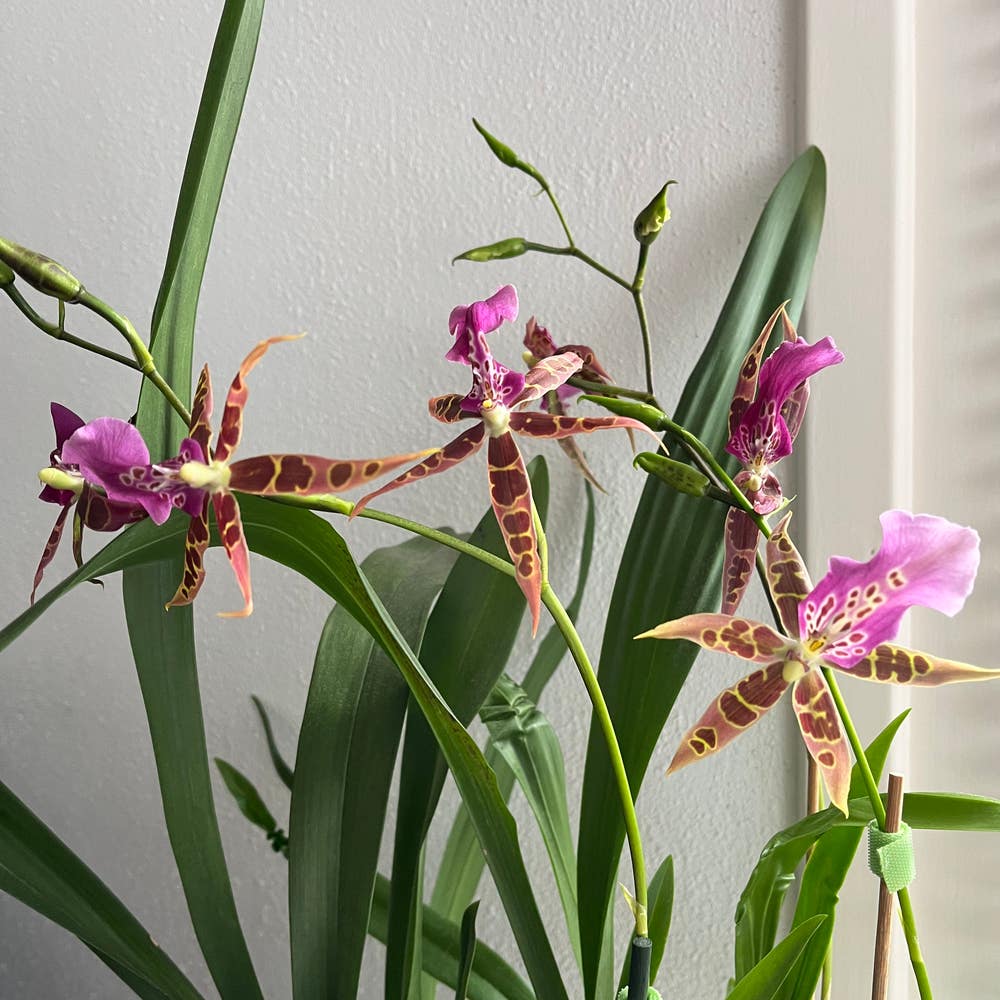
One of the standout features of Zygopetalum orchids is their distinctive flowers. With intricate patterns and a delightful fragrance, they not only catch the eye but also attract pollinators, adding life to any garden.
Caring for Zygopetalum is straightforward yet specific. They thrive in humid, shaded environments and require careful attention to watering and light levels, setting them apart from other orchids that may have different needs.
Incorporating Zygopetalum into your garden not only enhances its beauty but also contributes to a balanced ecosystem. As you explore the world of orchids, consider how these unique qualities can elevate your gardening experience.
Legal and Environmental Considerations
🌱 Relevant Classifications and Guidelines
When considering planting Zygopetalum orchids, it's essential to check local regulations. Some regions may have specific guidelines to ensure these beautiful plants thrive without disrupting local ecosystems.
Understanding environmental impact assessments is also crucial. These assessments help gardeners gauge how Zygopetalum fits into the existing flora and fauna, ensuring a harmonious integration into the landscape.
♻️ Fit Within Sustainable Gardening Practices
Zygopetalum orchids contribute significantly to eco-friendly gardening. Their moderate growth and non-invasive nature make them ideal for sustainable practices, allowing gardeners to enjoy beauty without ecological harm.
Encouraging biodiversity is another vital role of Zygopetalum. By adding these orchids to your garden, you promote a balanced ecosystem that supports various wildlife, enhancing the overall health of your garden environment.
As you plan your garden, consider how Zygopetalum can enrich your space while respecting local ecosystems. This thoughtful approach ensures that your gardening efforts are both beautiful and beneficial.
⚠️ Safety First
This content is for general information and may contain errors, omissions, or outdated details. It is not medical, veterinary advice, or an endorsement of therapeutic claims.
Always consult a qualified healthcare professional before using any plant as food, medicine, or supplement.
Never eat any plant (or feed one to pets) without confirming its identity with at least two trusted sources.
If you suspect poisoning, call Poison Control (800) 222-1222, the Pet Poison Helpline (800) 213-6680, or your local emergency service immediately.
Spotted an error? Please report it here.
Enhance your garden's beauty and biodiversity 🌼 with Zygopetalum orchids, and let Greg guide you with tailored care tips to help them flourish in your unique environment!