10 Easy Ways to Pollinate Zygopetalum Orchid 🐝
Zygopetalum maculatum
By the Greg Editorial Team
Sep 30, 2024•6 min read
This article was created with the help of AI so we can cover more plants for you. May contain errors. See one? Report it here.
Uncover the vibrant world of Zygopetalum Orchids 🌸 and their vital role in pollination and biodiversity!
- 🌸 Zygopetalum Orchids attract pollinators with vibrant colors and fragrances for effective pollination.
- 🐝 Cross-pollination boosts genetic diversity, enhancing resilience and health of these orchids.
- 🌿 Create a pollinator-friendly garden by planting native flowers and providing water sources.
Flower Structure
Description of Flower Characteristics 🌸
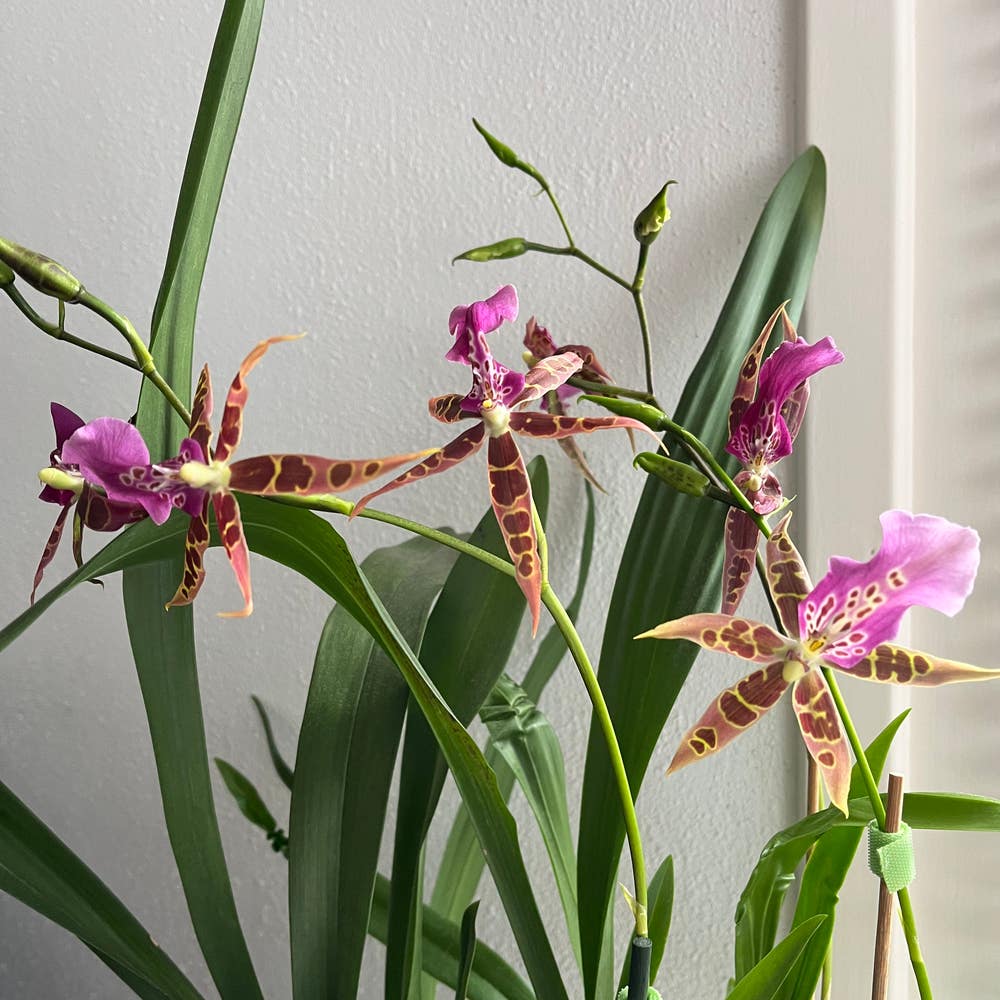
The Zygopetalum Orchid boasts a unique flower shape, featuring lip-shaped petals that are often fringed or ruffled. This distinctive design not only catches the eye but also plays a crucial role in attracting pollinators.
Color variations in these orchids are typically vibrant, showcasing shades of purple, green, and yellow adorned with intricate patterns. This colorful display is essential for drawing in specific pollinator species.
The arrangement of petals and sepals is meticulously designed to facilitate easy access for pollinators. This strategic layout ensures that pollinators can efficiently reach the reproductive parts of the flower.
Role in Pollination 🐝
The vibrant colors and alluring fragrances of Zygopetalum Orchids attract specific pollinator species. These adaptations are vital for successful pollination, as they guide pollinators directly to the flower's reproductive organs.
Structural features of the flower enhance cross-pollination success. By ensuring that pollinators interact with both the anther and stigma, these orchids maximize their chances of producing genetically diverse offspring.
Understanding the flower's morphology is essential for appreciating its role in the ecosystem. The intricate design not only serves a functional purpose but also highlights the beauty of nature's engineering.
With this foundation laid, let’s explore the fascinating pollination process that follows.
Pollination Process
Self-Pollination and Cross-Pollination 🌼
The Zygopetalum Orchid thrives primarily through cross-pollination. This process enhances genetic diversity, making the plants more resilient and adaptable.
Self-pollination is also possible due to the close proximity of the anther and stigma. However, relying solely on this method limits genetic variation.
Primary Pollinator Species 🐝
Several key pollinators are drawn to the Zygopetalum Orchid, each playing a vital role in its reproduction:
- Bees: Attracted by the orchid's vibrant colors and sweet fragrance, bees are essential for effective pollination.
- Butterflies: These creatures are lured by nectar and visual cues, making them important daytime pollinators.
- Moths: Night-blooming varieties of Zygopetalum attract moths, which are crucial for nocturnal pollination.
- Hummingbirds: These energetic birds are drawn to fragrant flowers during the day, contributing to the orchid's pollination.
Interaction Methods of Pollinators 🦋
Pollinators interact with the Zygopetalum Orchid in fascinating ways. They navigate the unique flower structure, often landing on the lip-shaped petals. This design not only facilitates access to nectar but also guides them toward the reproductive parts of the flower.
As pollinators collect nectar, they inadvertently transfer pollen from the anther to the stigma, ensuring successful fertilization. This intricate relationship highlights the importance of maintaining a healthy ecosystem for both the orchids and their pollinators.
Understanding these processes can help you appreciate the delicate balance of nature and the vital role each species plays. Next, we’ll explore the natural mechanisms of pollen transfer and their significance for reproduction and genetic diversity.
Natural Pollination
🌼 Mechanisms of Pollen Transfer
Pollinators play a crucial role in transferring pollen from the anther to the stigma of Zygopetalum orchids. As they visit the flowers, their bodies brush against the anthers, picking up pollen grains that are then deposited onto the receptive stigma of the same or another flower.
In the absence of pollinators, gravity and wind can assist in pollen dispersal. While less efficient, these natural forces can still facilitate some degree of pollination, ensuring that the orchids have a chance to reproduce.
🌱 Importance for Reproduction and Genetic Diversity
Cross-pollination is vital for producing genetically diverse offspring in Zygopetalum orchids. This genetic diversity enhances resilience, allowing the plants to adapt to changing environments and resist diseases.
Successful pollination directly impacts seed production and overall plant health. A well-pollinated flower can produce a bounty of seeds, ensuring the continuation of the species and contributing to a vibrant ecosystem.
Understanding these processes not only highlights the importance of pollinators but also sets the stage for exploring how we can support their populations.
Hand Pollination
Step-by-Step Instructions 🌼
Hand pollination can be a rewarding way to ensure your Zygopetalum Orchid thrives. Here’s how to do it easily:
- Gather materials: You’ll need a fine brush or a cotton swab.
- Identify male and female flower parts: The male part is the anther, which produces pollen, while the female part is the stigma, where pollen is received.
- Collecting pollen: Gently brush the anther to gather pollen onto your tool.
- Transferring pollen: Carefully apply the collected pollen to the stigma.
- Timing: This process is best performed during the day when the flowers are fully open.
Identifying Flower Parts 🌸
Recognizing the flower parts is crucial for successful hand pollination. The anther is typically a vibrant color, often contrasting with the stigma, which may be sticky to help capture pollen.
Understanding these visual characteristics not only aids in the pollination process but also enhances your appreciation for the intricate beauty of the Zygopetalum Orchid.
With these steps, you’re well on your way to fostering a healthy orchid. Next, let’s explore how to support pollinators in your garden!
Supporting Pollinators
🌼 Creating a Pollinator-Friendly Environment
To attract a variety of pollinators, consider planting native flowers that bloom at different times throughout the year. This ensures a continuous food source, making your garden a haven for bees, butterflies, and other beneficial insects.
Additionally, providing water sources and shelter is crucial. Simple features like birdbaths or small ponds can offer hydration, while native shrubs and grasses can serve as protective habitats.
🌱 Companion Plants
Companion planting can enhance your garden's appeal to pollinators. Here are some excellent choices:
- Lavender: This fragrant flower attracts bees and butterflies, adding beauty and aroma to your space.
- Marigolds: Not only do they repel pests, but they also draw in beneficial insects, creating a balanced ecosystem.
- Coneflowers: These hardy plants provide nectar for a variety of pollinators, ensuring your garden remains lively and vibrant.
By incorporating these strategies, you can create a thriving environment that supports pollinators and enhances the health of your Zygopetalum Orchids.
As you nurture these plants, you'll be contributing to the broader ecosystem, fostering biodiversity, and ensuring the success of your orchids through enhanced pollination opportunities.
Pollination Challenges
Common Obstacles 🌍
Pollination for Zygopetalum Orchids can be hindered by various environmental factors. Temperature fluctuations and humidity levels can significantly impact the effectiveness of pollination.
Another major challenge is the decline in pollinator populations due to habitat loss and seasonal changes. Without these crucial pollinators, the chances of successful fertilization drop dramatically.
Solutions for Overcoming Challenges 💪
To maintain optimal humidity and temperature for your Zygopetalum Orchid, consider using a humidity tray or misting the plants regularly. This helps create a more favorable environment for both the orchids and their pollinators.
Encouraging local pollinator populations is equally important. You can achieve this by restoring habitats and planting a diverse range of flowers that bloom at different times, ensuring a steady food source for pollinators throughout the seasons.
By addressing these challenges, you can enhance the chances of successful pollination and contribute to the health of your orchids. This proactive approach not only benefits your plants but also supports the broader ecosystem.
⚠️ Safety First
This content is for general information and may contain errors, omissions, or outdated details. It is not medical, veterinary advice, or an endorsement of therapeutic claims.
Always consult a qualified healthcare professional before using any plant as food, medicine, or supplement.
Never eat any plant (or feed one to pets) without confirming its identity with at least two trusted sources.
If you suspect poisoning, call Poison Control (800) 222-1222, the Pet Poison Helpline (800) 213-6680, or your local emergency service immediately.
Spotted an error? Please report it here.
Unlock the full potential of your Zygopetalum Orchids 🌸 by using Greg's personalized care reminders to create a pollinator-friendly garden that boosts their beauty and biodiversity!