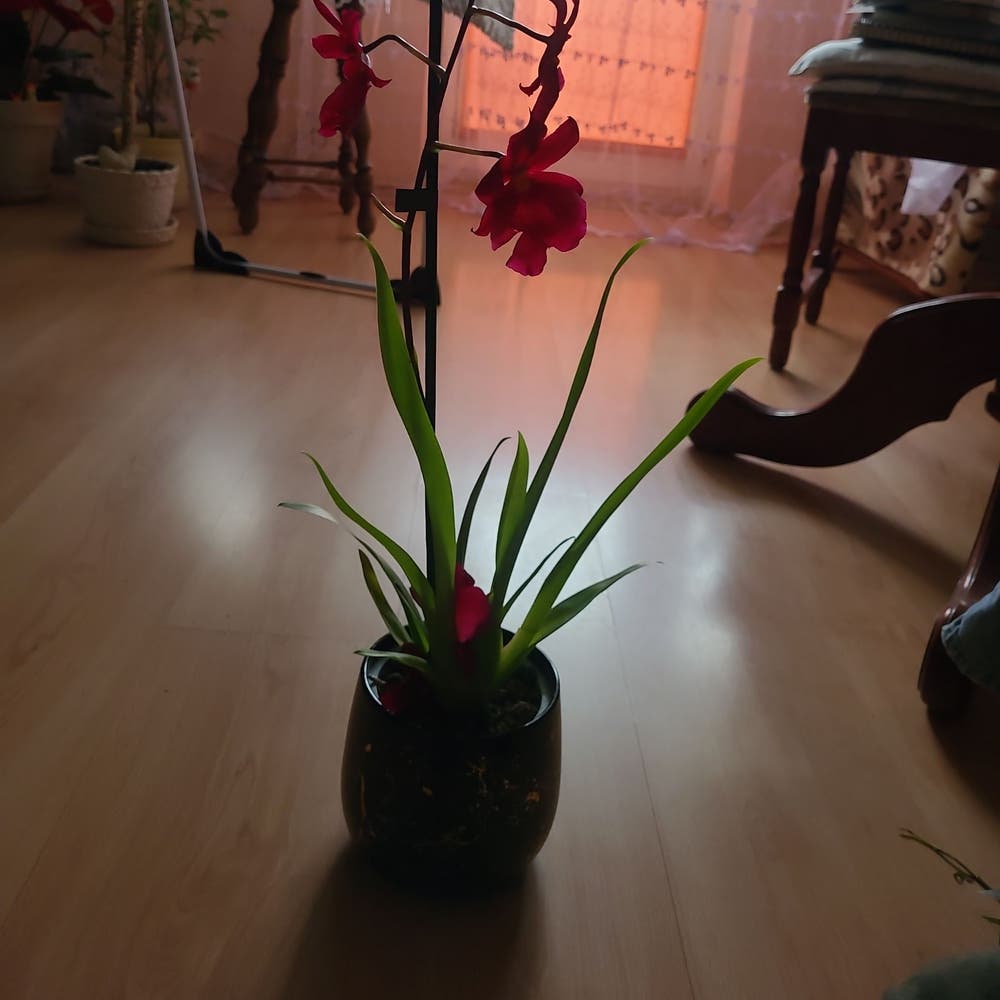
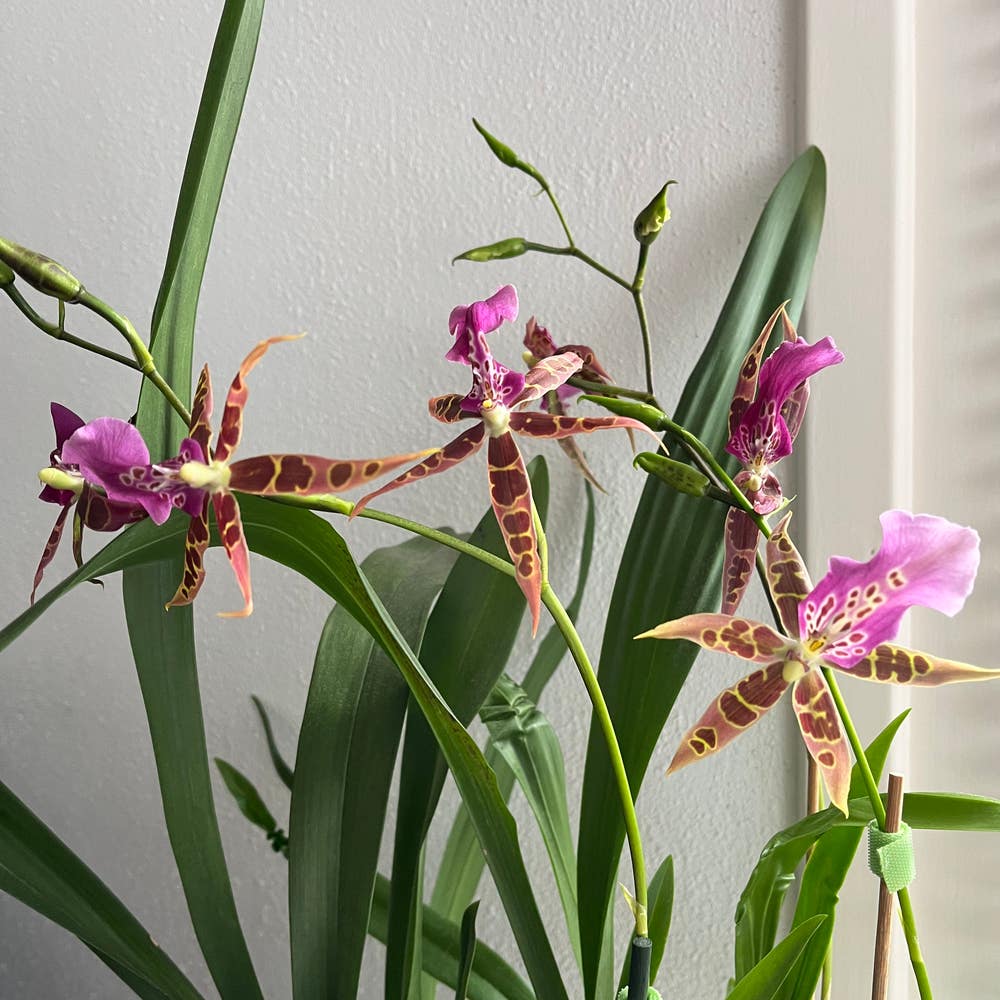
🌞 How to Fix Yellow Leaves on Your Zygopetalum Orchid
Zygopetalum maculatum
By the Greg Editorial Team
Sep 30, 2024•5 min read
This article was created with the help of AI so we can cover more plants for you. May contain errors. See one? Report it here.
Transform your Zygopetalum orchid's health 🌱 with essential tips to tackle yellow leaves and promote lush growth!
- 💧 Water Zygopetalum orchids when the top inch is dry to prevent yellow leaves.
- 🌞 Provide 50-70% shade to avoid yellowing or leaf burn from excessive light.
- 🐛 Regularly check for pests and use neem oil for effective management.
Diagnosing the Problem
Assessing Watering Habits 🌊
Watering your Zygopetalum orchid correctly is crucial for its health. Aim to water it when the top inch of the potting medium feels dry, ensuring the roots don’t sit in water.
Overwatering can lead to root rot, while underwatering may cause the leaves to wilt. Keep the potting medium slightly moist but never soggy for optimal growth.
Evaluating Light Conditions ☀️
Zygopetalum orchids thrive in 50-70% shade. Too much light can scorch the leaves, while too little can cause yellowing.
If you notice yellowing leaves or leaf burn, it’s time to adjust the light conditions. Consider moving your orchid to a brighter or shadier spot as needed.
Checking for Pests and Diseases 🐛
Common pests like aphids, spider mites, and mealybugs can wreak havoc on your Zygopetalum. Look for sticky residue, webbing, or visible insects as signs of infestation.
To combat these pests, use insecticidal soap or neem oil. Regular inspections can help catch issues early.
Nutrient Deficiency Signs 🥦
Nutrient deficiencies can also lead to yellow leaves. For instance, nitrogen deficiency typically causes older leaves to yellow, while magnesium deficiency results in interveinal chlorosis.
Using a balanced orchid fertilizer is essential for maintaining nutrient levels. This ensures your Zygopetalum gets the nourishment it needs to thrive.
By diagnosing these common issues, you can take the necessary steps to restore your orchid's health. Next, we’ll explore practical solutions to address yellow leaves effectively.
Solutions for Yellow Leaves
Adjusting Watering Practices 🌊
Proper watering is crucial for your Zygopetalum's health. Follow these simple steps to ensure your orchid thrives:
- Check potting medium moisture: Use your finger to feel the soil.
- Water only when the top inch is dry: This prevents both overwatering and underwatering.
- Ensure proper drainage: Always use pots with drainage holes to avoid waterlogging.
Modifying Light Exposure ☀️
Light conditions can significantly impact your orchid's well-being. Here’s how to adjust them effectively:
- Assess current light levels: Use a light meter to gauge exposure.
- Move the orchid to a location with optimal light: Aim for 50-70% shade for best results.
- Use sheer curtains: This can help diffuse harsh sunlight if necessary.
Fertilizing for Nutrient Balance 🥦
A balanced fertilization schedule is key to vibrant leaves. Here’s what you need to know:
- Frequency: Fertilize every 2-4 weeks during the growing season.
- Type of fertilizer: Opt for a balanced orchid fertilizer, like a 30-10-10 mix.
- Signs of improvement: Look for new growth and greener leaves as indicators of success.
Pest Management Techniques 🐛
Pests can wreak havoc on your Zygopetalum. Follow these steps for effective pest control:
- Inspect leaves and stems regularly: Catch infestations early.
- Apply insecticidal soap or neem oil as needed: These are effective treatments.
- Isolate affected plants: This prevents pests from spreading to healthy orchids.
By implementing these solutions, you can revitalize your Zygopetalum and enjoy its beauty once more. Next, let’s explore preventative measures to keep your orchid thriving long-term.
Preventative Measures
Best Practices for Zygopetalum Care 🌱
Maintaining ideal humidity levels between 50-70% is crucial for your Zygopetalum's health. Regular watering and a consistent fertilization schedule will keep your orchid thriving.
Air circulation is another key factor. Good airflow helps prevent mold and pests, ensuring your plant remains robust and vibrant.
Seasonal Care Adjustments 🌦️
As the seasons change, so should your care routine. In winter, reduce both watering and fertilization to match the plant's slower growth rate.
Conversely, summer calls for increased humidity and light exposure. This adjustment supports the orchid’s active growth phase, promoting lush foliage and blooms.
Regular Monitoring and Maintenance 🔍
Routine checks for pests and diseases can save your orchid from serious issues. Keeping a care journal to document watering, fertilization, and growth patterns will help you spot trends and make informed adjustments.
By staying vigilant and proactive, you can ensure your Zygopetalum remains healthy and beautiful. This foundation of care sets the stage for the next important aspect: understanding when and how to repot your orchid for optimal growth.
Repotting and Its Impact
🌱 When to Repot Zygopetalum
Repotting your Zygopetalum is essential when you notice signs like root crowding or yellowing leaves. Ideally, you should repot every 1-2 years to keep your orchid thriving.
🌿 How Repotting Can Help with Yellow Leaves
Fresh potting medium can significantly improve your orchid's health. It enhances drainage and nutrient availability, which are crucial for vibrant, green leaves.
Steps for Repotting Zygopetalum
- Carefully remove the orchid from its pot.
- Trim any dead or rotting roots to promote healthy growth.
- Place the orchid in a new pot filled with fresh orchid mix.
🪴 Choosing the Right Potting Medium
Selecting the right potting medium is vital for your Zygopetalum's success. Recommended materials include bark, sphagnum moss, and perlite, all of which ensure excellent drainage.
Maintaining a well-draining medium is key to preventing waterlogged roots and promoting overall plant health. With the right care, your Zygopetalum can flourish, leading to stunning blooms and lush foliage.
As you consider repotting, remember that proper care and attention can make all the difference in your orchid's vitality. Next, let’s explore preventative measures to keep your Zygopetalum in top shape.
⚠️ Safety First
This content is for general information and may contain errors, omissions, or outdated details. It is not medical, veterinary advice, or an endorsement of therapeutic claims.
Always consult a qualified healthcare professional before using any plant as food, medicine, or supplement.
Never eat any plant (or feed one to pets) without confirming its identity with at least two trusted sources.
If you suspect poisoning, call Poison Control (800) 222-1222, the Pet Poison Helpline (800) 213-6680, or your local emergency service immediately.
Spotted an error? Please report it here.
Keep your Zygopetalum orchid's leaves vibrant 🌿 by using Greg's tailored care reminders to master watering, light, and pest control for a flourishing plant!