🌸 How to Cure Droopy Leaves on Your Zygopetalum Orchid
Zygopetalum maculatum
By the Greg Editorial Team
Sep 30, 2024•6 min read
This article was created with the help of AI so we can cover more plants for you. May contain errors. See one? Report it here.
Revive your droopy Zygopetalum orchid 🌱 with expert tips to diagnose and treat common issues for vibrant growth!
- 💧 Overwatering causes droopy leaves; ensure roots are firm and white to prevent rot.
- 🌞 Bright, indirect light for 12-14 hours daily is essential for Zygopetalum health.
- 🌿 Regular inspections for pests and nutrient deficiencies help maintain vibrant, droop-free orchids.
Causes of Droopy Leaves
💧 Overwatering and Root Rot
Overwatering is a common issue for Zygopetalum orchids. Symptoms include yellowing leaves, mushy roots, and a foul odor emanating from the potting medium.
To identify root rot, check for brown, slimy roots. Healthy roots should be firm and white. Using a well-draining potting mix is crucial to prevent water accumulation.
🚰 Underwatering and Dehydration
Underwatering can also lead to droopy leaves. Signs include wrinkled leaves, dry pseudobulbs, and noticeable leaf droop.
The frequency of watering depends on various factors, such as temperature and humidity levels. It's essential to maintain consistent moisture without waterlogging the roots.
💡 Insufficient Light Conditions
Zygopetalum orchids thrive in bright, indirect light for 12-14 hours daily. If your orchid exhibits stretched growth, dark green leaves, or droopy foliage, it may not be getting enough light.
To adjust light exposure, consider moving the orchid closer to a light source or using grow lights. This simple change can significantly improve its health.
🌡️ High Temperatures and Humidity Levels
The optimal temperature range for Zygopetalum orchids is between 20°C to 30°C (68°F to 86°F) during the day. Maintaining humidity levels between 50-70% is also vital for healthy growth.
Extreme temperatures can stress the plant, leading to droopy leaves and overall decline. Regularly monitor these conditions to keep your orchid thriving.
🌱 Nutrient Deficiencies
Common nutrient deficiencies in orchids include nitrogen, potassium, and magnesium. Symptoms of these deficiencies often manifest as yellowing leaves, poor growth, and droopiness.
Using orchid-specific fertilizers is essential to meet the unique needs of your Zygopetalum. This targeted approach can help restore vitality to your plant.
🐛 Pest Infestations
Pests like aphids, spider mites, and mealybugs can wreak havoc on your orchid. Signs of infestation include sticky residue, webbing, and visible insects on the leaves.
These pests can stress the plant and deplete nutrients, leading to droopy leaves. Regular inspections and prompt action can help keep your orchid healthy and pest-free.
Understanding these causes is the first step toward reviving your droopy Zygopetalum orchid. Next, we'll explore how to diagnose the specific issues affecting your plant.
Diagnosing Droopy Leaves
👀 Visual Signs of Droopiness
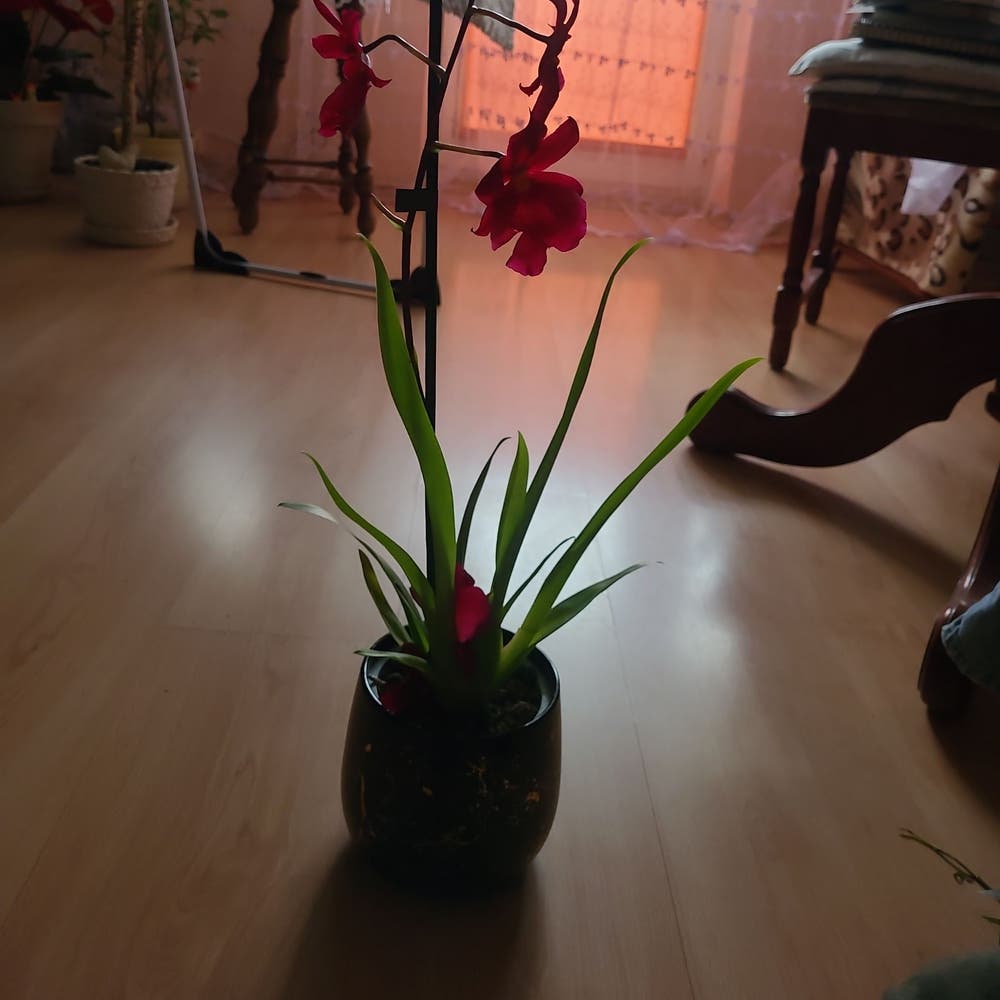
Identifying droopy leaves is your first step in diagnosing the health of your Zygopetalum orchid. Look for changes in leaf position and texture; droopy leaves often hang limply and may feel softer than usual.
It's essential to differentiate between natural aging and stress-induced droopiness. While older leaves may droop as part of their life cycle, sudden changes can indicate underlying issues.
🌱 Assessing Root Health
Next, check the health of the roots. Gently remove the orchid from its pot and inspect the roots for color and texture.
Healthy roots should be firm and white, while brown, mushy roots signal trouble. If you find any unhealthy roots, it's crucial to address them promptly.
🌤️ Checking Environmental Conditions
Evaluating environmental conditions is vital for your orchid's well-being. Measure light intensity and duration to ensure your plant receives the right amount of brightness.
Additionally, monitor temperature and humidity levels using thermometers and hygrometers. Keeping these factors in check can prevent stress and droopiness.
🐛 Identifying Pests and Diseases
Regular inspections can help catch pests and diseases early. Perform visual checks and consider using a magnifying glass to spot tiny pests that might be hiding.
Look for signs of disease, such as fungal infections or bacterial spots. Early detection is key to maintaining your orchid's health and preventing further decline.
With these diagnostic steps, you can pinpoint the cause of droopy leaves and take action. Next, let’s explore effective treatments to revive your Zygopetalum orchid.
Treating Droopy Leaves
🌊 Adjusting Watering Practices
Establishing a consistent watering schedule is crucial for your Zygopetalum orchid. Monitor environmental conditions like temperature and humidity to determine how often to water.
To water effectively, soak the potting medium thoroughly and allow excess water to drain. This ensures that the roots receive adequate moisture without becoming waterlogged.
💡 Improving Light Exposure
Increasing light exposure can significantly benefit your orchid's health. Consider relocating the plant to a brighter spot or using reflective surfaces to enhance light distribution.
Make gradual adjustments to avoid shocking your orchid. Sudden changes can stress the plant, leading to further droopiness.
💧 Increasing Humidity Levels
Humidity plays a vital role in maintaining your orchid's vitality. Use humidity trays, misting, or humidifiers to boost moisture levels around the plant.
Regularly check humidity levels to ensure they remain optimal. Aim for a range of 50-70% for healthy growth.
🌱 Fertilizing Appropriately
Using the right fertilizer can make a world of difference for your Zygopetalum. Opt for balanced orchid fertilizers with suitable NPK ratios to meet its nutritional needs.
Fertilize monthly during the growing season and reduce frequency in winter. This helps support growth while preventing nutrient buildup.
🚨 Treating Root Rot
If you suspect root rot, act quickly to save your orchid. Start by removing affected roots and repotting the plant in fresh, well-draining medium.
Always use sterilized tools during this process to prevent further infection. This step is crucial for restoring your orchid's health.
🐞 Pest Control Methods
Pest infestations can lead to droopy leaves and overall decline. Consider organic pest control options like neem oil or insecticidal soap to manage these issues.
Regular monitoring is key. Conduct weekly checks to catch any infestations early and implement treatment strategies promptly.
By addressing these factors, you can effectively treat droopy leaves and restore your Zygopetalum orchid to its vibrant self. Next, let's explore how to prevent future droopy leaves through consistent care and monitoring.
Preventing Future Droopy Leaves
🌱 Establishing a Consistent Care Routine
A consistent care routine is crucial for your Zygopetalum orchid's health. Regular watering, feeding, and environmental checks help maintain optimal conditions.
Using tools like the Greg plant care app can simplify this process. Set reminders for watering and feeding to ensure you never miss a beat.
🌡️ Monitoring Environmental Factors
Keep a close eye on light, temperature, and humidity levels. Regular assessments will help you adjust care based on seasonal changes.
This proactive approach ensures your orchid thrives year-round. Small adjustments can make a significant difference in plant health.
🐛 Regularly Checking for Pests
Establish a pest inspection schedule, ideally weekly or bi-weekly. Early detection is key to preventing infestations that can stress your orchid.
Look for sticky residues or visible insects during your checks. Addressing issues promptly can save your plant from further damage.
🌿 Proper Repotting Techniques
Know when to repot your orchid by watching for signs of root crowding or medium breakdown. Repotting can rejuvenate your plant and promote healthy growth.
Choose the right medium and pot size for successful repotting. This ensures your orchid has enough space and nutrients to flourish.
🍂 Seasonal Care Adjustments
Adjust your care routine based on seasonal changes. Watering frequency and light exposure may need to shift as the seasons change.
Being adaptable to your plant's growth cycle is essential. This flexibility will help keep your Zygopetalum healthy and vibrant.
By implementing these preventive measures, you can enjoy a flourishing orchid that stands tall and proud. Next, let’s dive into diagnosing droopy leaves to ensure you catch any issues early!
⚠️ Safety First
This content is for general information and may contain errors, omissions, or outdated details. It is not medical, veterinary advice, or an endorsement of therapeutic claims.
Always consult a qualified healthcare professional before using any plant as food, medicine, or supplement.
Never eat any plant (or feed one to pets) without confirming its identity with at least two trusted sources.
If you suspect poisoning, call Poison Control (800) 222-1222, the Pet Poison Helpline (800) 213-6680, or your local emergency service immediately.
Spotted an error? Please report it here.
Revive your droopy Zygopetalum orchid with tailored care tips 🌿 from Greg that help you master watering, light, and nutrients for a flourishing plant!