🌸 Zygopetalum Orchid Varieties that Belong in Your Garden
Zygopetalum maculatum
By the Greg Editorial Team
Sep 30, 2024•5 min read
This article was created with the help of AI so we can cover more plants for you. May contain errors. See one? Report it here.
Unlock the beauty of Zygopetalum orchids 🌸 and transform your garden with their vibrant colors and captivating scents!
- 🌈 Zygopetalum orchids boast stunning colors like purple, green, and white for vibrant gardens.
- 🌸 Popular cultivars like 'Blue Moon' and 'Dreamcatcher' offer unique features and fragrances.
- 🌿 Tailored care is essential; each cultivar has specific light, humidity, and watering needs.
Popular Cultivars
🌟 Notable Cultivars
'Blue Moon'
This cultivar dazzles with deep blue and purple flowers adorned with intricate markings. Its strong and sweet aroma makes it a favorite among orchid enthusiasts.
'Dreamcatcher'
With a unique shape and a blend of green and purple hues, 'Dreamcatcher' stands out in any collection. Its light and pleasant scent adds to its charm, making it a delightful addition to your garden.
'Martha Clarke'
Known for its large flowers, 'Martha Clarke' showcases striking patterns and vibrant colors. This cultivar is particularly noted for its strong fragrance, making it a sensory delight.
🌈 Unique Characteristics of Hybrids
Hybridization Effects
Hybridization introduces fascinating variations in flower shape, size, and color. This diversity allows for a wide range of aesthetics, appealing to both casual gardeners and serious collectors.
Common Hybrids
Popular hybrid varieties often capture the attention of collectors due to their unique traits. These hybrids can exhibit extraordinary colors and shapes, making them highly sought after.
Fragrance Variations
Hybridization also influences scent profiles, leading to a delightful range of fragrances. This aspect can significantly enhance the appeal of certain hybrids, making them even more desirable for your garden.
As you explore these captivating cultivars, you'll find that each one brings its own unique flair to your collection. Next, let's delve into the vibrant color variations that make Zygopetalum orchids so visually stunning.
Color Variations
🎨 Common Color Patterns
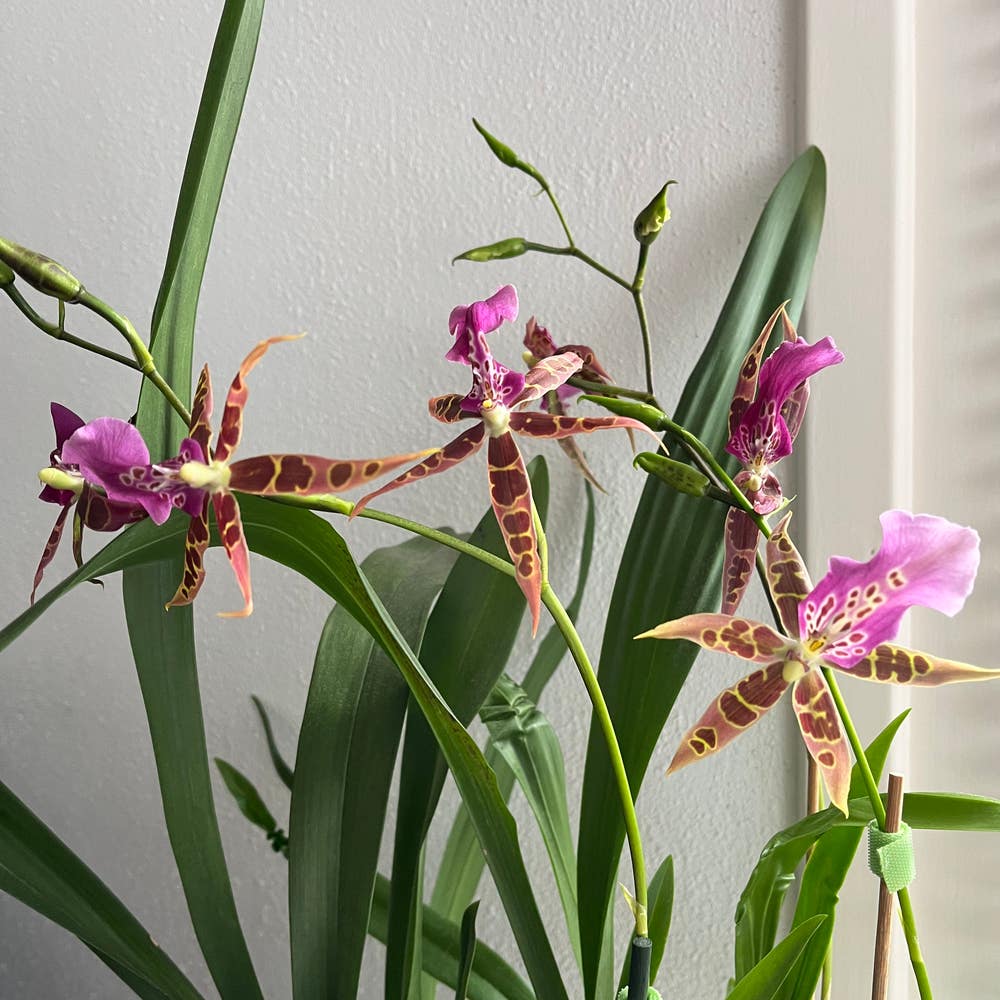
Zygopetalum orchids are celebrated for their stunning color diversity. You’ll often find shades of purples, greens, and whites, along with captivating combinations that make each cultivar unique.
Color plays a crucial role in hybridization. Breeders carefully select for specific traits, resulting in vibrant blooms that can vary dramatically from one hybrid to another.
🌈 Notable Color Variations
One standout cultivar is 'Gilded Tower'. This beauty showcases a rich golden-yellow hue adorned with dark purple spots, creating a striking visual contrast.
Another impressive variety is 'Royal Blue'. Its striking blue petals are complemented by contrasting white markings, making it a favorite among collectors.
The color of Zygopetalum orchids significantly impacts their market value and collector interest. Unique color patterns can elevate a cultivar's desirability, making them sought-after additions to any garden.
As you explore the world of Zygopetalum orchids, consider how these vibrant colors not only enhance your garden but also reflect the artistry of hybridization. Next, we’ll delve into the size differences among these captivating varieties.
Size Differences
Comparison of Flower Sizes 🌸
When comparing 'Blue Moon' and 'Martha Clarke', you'll notice distinct differences in flower size. 'Blue Moon' typically boasts flowers around 3 to 4 inches in diameter, while 'Martha Clarke' can reach up to 5 inches, creating a more dramatic visual impact in your garden.
Zygopetalum flowers generally range from 2 to 5 inches, depending on the cultivar. This size variation can significantly influence how they fit into your overall garden design.
Growth Habit Variations 🌱
The size and shape of the pseudobulbs play a crucial role in the overall size of Zygopetalum orchids. Larger pseudobulbs often support bigger plants, leading to a more robust appearance.
Growth habits can vary widely among cultivars. Some are compact, making them ideal for smaller spaces, while others are sprawling, requiring more room and careful management to thrive. Understanding these habits is essential for effective care and placement in your garden.
As you explore the fascinating world of Zygopetalum orchids, consider how size and growth habits can enhance your gardening experience. Next, we'll delve into the special care requirements these beautiful plants need to flourish.
Special Care Requirements
🌞 Light and Humidity Needs
When it comes to the 'Dreamcatcher' orchid, providing the right light is crucial. This cultivar thrives in bright, indirect sunlight, making it ideal for a spot near a window with filtered light.
Humidity is equally important for its growth. Aim for humidity levels around 50-70% to keep your 'Dreamcatcher' happy and healthy.
💧 Fertilization and Watering Differences
Fertilization schedules can vary significantly among Zygopetalum cultivars. Generally, a balanced orchid fertilizer every two weeks during the growing season will suffice, but always check specific needs for each type.
Watering techniques also depend on the cultivar. For instance, 'Blue Moon' may require more frequent watering compared to 'Martha Clarke', which prefers a drier environment between waterings. Adjust your approach based on the specific characteristics of each orchid to ensure optimal growth.
With these care tips, your Zygopetalum orchids will flourish, setting the stage for a vibrant garden. Next, let’s explore the fascinating world of species versus cultivars.
Species vs. Cultivars
Key Differences 🌱
Understanding the distinction between species and cultivars is essential for any Zygopetalum enthusiast. Species are naturally occurring plants, while cultivars are cultivated varieties that have been selectively bred for specific traits.
To identify species, look for unique characteristics such as flower shape, size, and growth habits. Cultivars, on the other hand, often exhibit enhanced colors or patterns due to hybridization.
Common Misconceptions 🤔
Many people believe that all Zygopetalum orchids require the same care, but this isn't true. Each species and cultivar may have different needs, particularly regarding light and humidity.
Another myth is that hybrids are always superior to species. While hybrids can be stunning, species often possess unique traits that are equally valuable.
Identification of Cultivars 🔍
Visual identification is key when distinguishing between various Zygopetalum cultivars. Look for specific traits like flower color, size, and markings that set each cultivar apart.
For those seeking more information, numerous resources are available. Online guides, forums, and local orchid societies can provide valuable insights and support for identifying and caring for your Zygopetalum collection.
As you delve deeper into the world of Zygopetalum orchids, you'll find that understanding these distinctions enriches your gardening experience. Next, let's explore the fascinating color variations that make these orchids so captivating.
⚠️ Safety First
This content is for general information and may contain errors, omissions, or outdated details. It is not medical, veterinary advice, or an endorsement of therapeutic claims.
Always consult a qualified healthcare professional before using any plant as food, medicine, or supplement.
Never eat any plant (or feed one to pets) without confirming its identity with at least two trusted sources.
If you suspect poisoning, call Poison Control (800) 222-1222, the Pet Poison Helpline (800) 213-6680, or your local emergency service immediately.
Spotted an error? Please report it here.
Elevate your garden with stunning Zygopetalum orchids 🌺 by using Greg's personalized care tips and watering reminders to keep them thriving and fragrant!