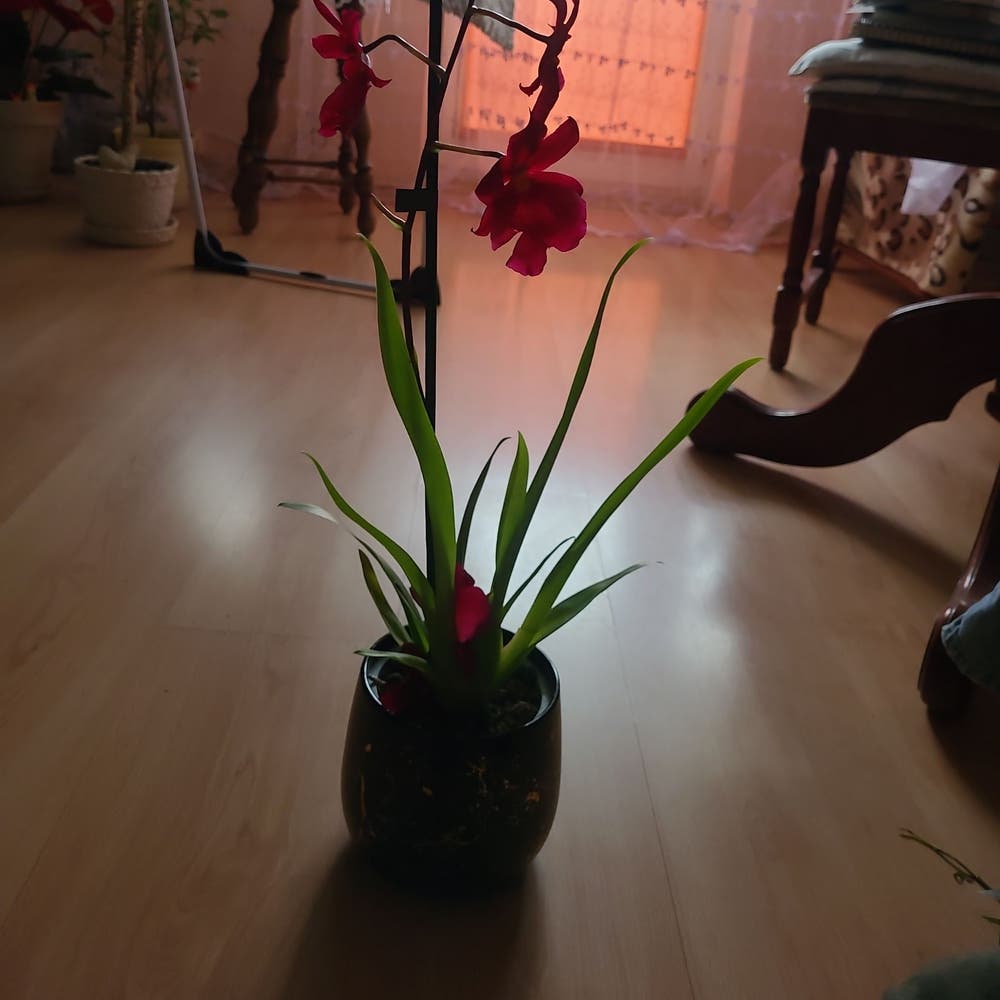
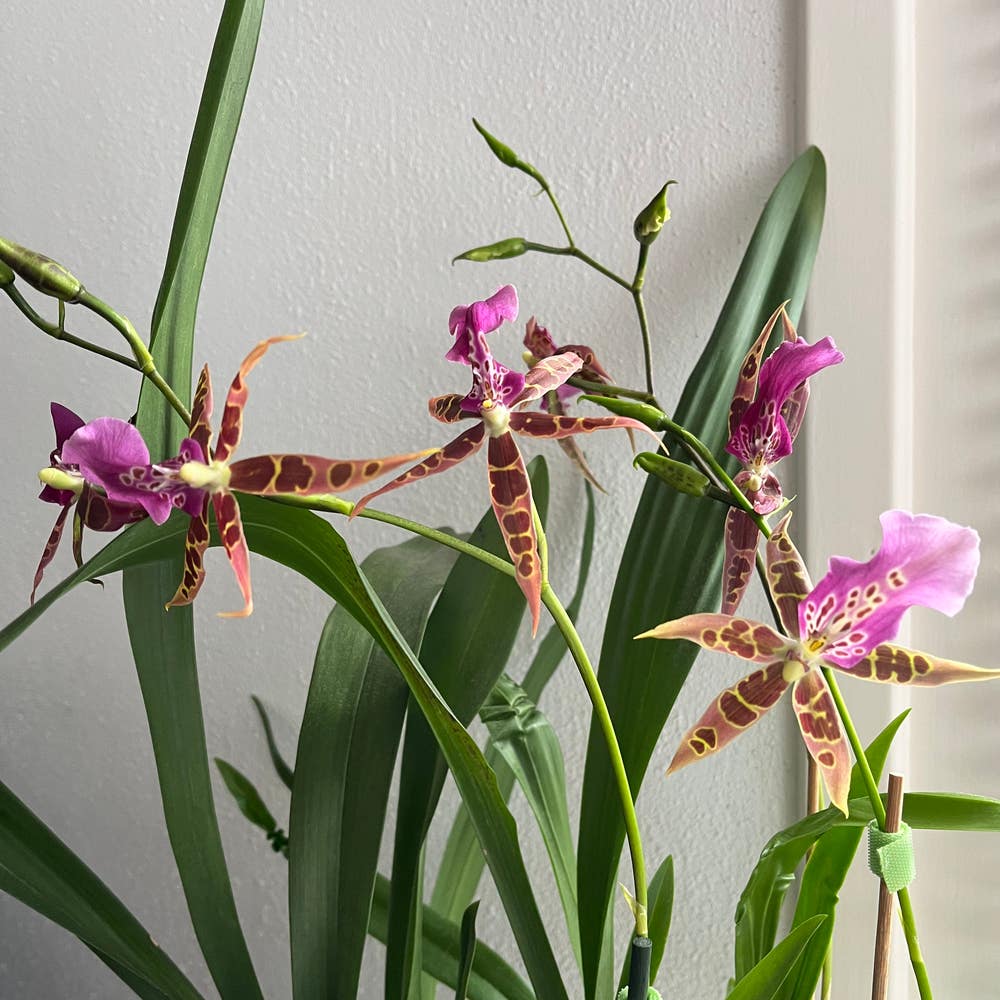
9 Indoor Zygopetalum Orchid Care Dos and Don'ts 🌸
Zygopetalum maculatum
By the Greg Editorial Team
Sep 30, 2024•5 min read
This article was created with the help of AI so we can cover more plants for you. May contain errors. See one? Report it here.
Transform your Zygopetalum orchids into stunning blooms 🌸 with expert tips on light, water, and humidity care!
- 🌞 Zygopetalum orchids need bright, indirect light for optimal growth and health.
- 💧 Water every 7-10 days; watch for yellow leaves to prevent overwatering.
- 🌬️ Maintain humidity between 50-70% to avoid leaf curling and browning tips.
Light Requirements
Ideal Light Levels for Indoor Growth 🌟
Bright, indirect light is the secret sauce for thriving Zygopetalum orchids. Aim for a light intensity between 1,500 to 2,500 foot-candles to keep your plant happy and blooming.
If your orchid isn’t getting enough light, you’ll notice signs like stunted growth and fewer blooms. Keep an eye out for these indicators to ensure your plant is thriving.
Role of Grow Lights 💡
In low-light conditions, grow lights can be a game-changer for your orchids. LED and fluorescent lights are excellent options to supplement natural light.
When choosing grow lights, consider the light spectrum, wattage, and heat output. Position the lights 12-24 inches away from the plant for optimal results.
For best growth, provide your orchids with 12-14 hours of light exposure daily. This routine will help mimic their natural environment and promote healthy growth.
With the right light conditions established, your Zygopetalum orchids will flourish beautifully. Next, let’s dive into their watering needs to keep them hydrated and healthy.
Watering Needs
Frequency and Method of Watering 🌊
Watering your Zygopetalum orchid is essential for its health. Aim to water every 7-10 days, adjusting based on your home's conditions.
To ensure proper hydration, water thoroughly until it drains from the bottom. This method helps prevent root rot and keeps your orchid thriving.
Signs of Overwatering and Underwatering 🚨
Recognizing the signs of overwatering is crucial. Look for yellowing leaves, mushy roots, and even mold growth—these are clear indicators that your plant is drowning.
On the flip side, underwatering manifests as wrinkled leaves and dry, brittle roots. Keeping an eye on these signs will help you maintain the perfect balance for your orchid's needs.
With proper watering practices, your Zygopetalum will flourish, setting the stage for the next essential care aspect: humidity and temperature.
Humidity and Temperature
Ideal Humidity Levels 🌬️
Maintaining the right humidity is crucial for your Zygopetalum orchids. Aim for an optimal range of 50-70% to keep your plants thriving.
Signs of low humidity include leaf curling and browning tips, which can signal distress. If you notice these symptoms, it’s time to take action.
Temperature Preferences 🌡️
Zygopetalum orchids prefer a cozy environment with daytime temperatures between 18°C to 24°C (65°F to 75°F). At night, slightly cooler temperatures are ideal for their growth.
Watch for signs of temperature stress, such as wilting leaves and reduced flowering. These indicators suggest your plant may need a more stable environment.
Humidity Control Methods 💧
To boost humidity, consider using humidity trays or pebble trays filled with water. This simple method can create a more favorable microclimate for your orchids.
Regular misting of the plant can also help maintain moisture levels. If you live in a particularly dry area, investing in a humidifier can make a significant difference in your orchid's health.
By keeping an eye on humidity and temperature, you can ensure your Zygopetalum orchids flourish beautifully. Next, let’s explore the best soil type and fertilization practices to support their growth.
Soil Type and Fertilization
Best Soil Mix 🌱
For your Zygopetalum orchids, a bark-based orchid mix combined with perlite is the way to go. This blend ensures excellent drainage, which is crucial for healthy root development.
The ideal soil pH should be slightly acidic to neutral, ranging from 5.5 to 7.0. This pH level helps the plant absorb nutrients effectively, promoting vibrant growth and blooming.
Fertilization Schedule 🗓️
Fertilizing your orchids every 4-6 weeks during the growing season will keep them thriving. Use a balanced orchid fertilizer, like a 20-20-20 mix, but remember to dilute it to half strength to avoid overwhelming your plants.
This regular feeding schedule will provide the essential nutrients your orchids need, ensuring they remain healthy and produce beautiful blooms.
With the right soil and fertilization practices, your Zygopetalum orchids will flourish, setting the stage for the next crucial aspect of their care: managing common issues and solutions.
Common Issues and Solutions
🐛 Pests and Diseases
Indoor zygopetalum orchids can fall victim to several pests. Common culprits include aphids, mealybugs, and spider mites.
Look for signs of infestation such as sticky residue on leaves, webbing, and discolored foliage. These indicators can signal that your orchid needs immediate attention.
To prevent these pests, conduct regular inspections and clean the leaves. A simple wash can deter many pests, while insecticidal soap or neem oil can effectively treat infestations.
🌪️ Environmental Stress
Environmental stress can manifest in various ways, impacting your orchid's health. Watch for signs like leaf drop, stunted growth, and poor flowering.
To combat these issues, maintain consistent temperature and humidity levels. Using fans or heaters can help stabilize the environment, ensuring your orchid thrives.
By staying vigilant and proactive, you can keep your zygopetalum orchid healthy and vibrant. Next, let’s explore the best placement and maintenance practices to further enhance its growth.
Placement and Maintenance
Best Locations for Indoor Placement 🌅
Finding the right spot for your Zygopetalum orchid is crucial. Place it near east or west-facing windows where it can enjoy filtered light.
Avoid direct sunlight, as it can lead to leaf burn. Your orchid will thrive in bright, indirect light, so keep it cozy and protected.
Tips for Maintaining Appearance 🧼
To keep your orchid looking its best, regularly clean its leaves. Dust and pests can accumulate, so a gentle wipe with a damp cloth will do wonders.
Pruning dead or yellowing leaves is also essential. This encourages new growth and keeps your plant healthy and vibrant.
Seasonal Care Adjustments 🌦️
As the seasons change, so should your care routine. Adjust watering frequency and humidity levels to match the climate—more water in the warmer months, less in the cooler ones.
Keep an eye on light exposure too. As days lengthen or shorten, your orchid may need a little help to get the right amount of light.
With these placement and maintenance tips, your Zygopetalum orchid will flourish beautifully indoors. Next, let’s dive into the soil type and fertilization needs to keep your plant thriving!
⚠️ Safety First
This content is for general information and may contain errors, omissions, or outdated details. It is not medical, veterinary advice, or an endorsement of therapeutic claims.
Always consult a qualified healthcare professional before using any plant as food, medicine, or supplement.
Never eat any plant (or feed one to pets) without confirming its identity with at least two trusted sources.
If you suspect poisoning, call Poison Control (800) 222-1222, the Pet Poison Helpline (800) 213-6680, or your local emergency service immediately.
Spotted an error? Please report it here.
Nurture your Zygopetalum orchids to bloom beautifully 🌺 by using Greg's tailored watering reminders and care tips to keep them thriving all year round!