🌸 Zygopetalum Orchid: Not an Annual
Zygopetalum maculatum
By the Greg Editorial Team
Sep 30, 2024•6 min read
This article was created with the help of AI so we can cover more plants for you. May contain errors. See one? Report it here.
Transform your garden with resilient Zygopetalum orchids, offering vibrant blooms year-round! 🌿
- 🌱 Zygopetalum orchids thrive year-round, unlike annuals, thanks to their dormancy phase.
- 🌼 Multiple blooms from one spike extend flowering periods, enhancing garden beauty.
- 💧 Proper care—light, humidity, and watering—ensures robust growth and vibrant blooms.
Zygopetalum Characteristics
🌱 Genetic and Physiological Traits
Zygopetalum orchids are fascinating due to their unique pseudobulbs, which serve as vital reservoirs for nutrients and water. These structures enable the plant to thrive in varying conditions, ensuring it remains resilient even during dry spells.
The leaf structure of Zygopetalum is equally impressive. Its leaves are specially adapted for efficient photosynthesis and moisture retention, allowing the plant to maximize energy capture while minimizing water loss.
Genetically, Zygopetalum exhibits traits that enhance its resilience and adaptability. This adaptability allows it to flourish in diverse environments, making it a favorite among orchid enthusiasts.
🌿 Long-Term Lifecycle and Growth Patterns
Understanding the lifecycle stages of Zygopetalum is crucial for successful cultivation. The lifecycle includes germination, vegetative growth, flowering, and dormancy, each stage playing a significant role in the plant's development.
Initially, Zygopetalum experiences slow growth, but this is followed by robust development over the years. Environmental factors, particularly humidity and temperature, significantly influence this growth, highlighting the importance of suitable conditions for optimal health.
🌸 Reproductive Strategies
Zygopetalum's flowering patterns are a highlight, with multiple blooms emerging from a single spike over several weeks. This extended blooming period adds vibrant color to any garden.
The orchid employs specific pollination mechanisms to attract its preferred pollinators, ensuring successful reproduction. Additionally, its seed production strategies focus on viability and effective dispersal, allowing the species to thrive in various habitats.
With these characteristics in mind, it's clear that Zygopetalum orchids are not just beautiful but also complex and resilient. Understanding their traits and lifecycle can significantly enhance your gardening experience, paving the way for the next section on lifecycle comparisons.
Lifecycle Comparison
Differences in Growth and Flowering 🌸
Zygopetalum orchids are known for their prolonged blooming periods, often producing flowers over several weeks. In contrast, many annuals bloom just once per season, making Zygopetalum a standout choice for extended floral displays.
The growth rate of Zygopetalum is typically slower at first, but it gains momentum as it matures. This gradual buildup leads to a robust and vigorous plant, unlike the rapid but short-lived growth seen in annuals.
Seasonal Behavior 🌦️
Zygopetalum experiences a distinct dormancy phase, allowing it to conserve energy and resources. This behavior contrasts sharply with annuals, which often continue to grow throughout the year, adapting to seasonal changes without a rest period.
Seed Production and Longevity 🌱
Zygopetalum employs both sexual and asexual reproduction methods, enhancing its adaptability. This dual approach allows for a diverse range of seed production, ensuring survival in varying conditions.
The longevity of Zygopetalum seeds is impressive, with higher viability and germination rates compared to many annuals. This resilience means that Zygopetalum can thrive in gardens designed for long-term growth, rather than the fleeting nature of annuals.
Impact of Lifecycle on Garden Planning 🏡
Understanding Zygopetalum's lifecycle is crucial for effective garden planning. While annuals require frequent replanting, Zygopetalum offers a long-term investment, providing beauty and interest year after year.
Incorporating Zygopetalum into your garden design not only enhances aesthetic appeal but also aligns with sustainable gardening practices. This makes it a smart choice for those looking to create a lasting floral display.
As we explore misconceptions and exceptions regarding Zygopetalum, it’s essential to recognize how environmental factors can influence its growth and perception.
Misconceptions and Exceptions
🌱 Conditions Where Zygopetalum May Be Treated as an Annual
Zygopetalum orchids are often misunderstood, particularly when environmental stressors come into play. Extreme temperatures or high humidity levels can push these resilient plants to behave like annuals, leading to a perception that they don’t thrive year after year.
Cultural practices also play a significant role in this misconception. Poor management, such as inadequate watering or improper fertilization, can stunt growth and flowering, making it seem as if the orchid is only a temporary fixture in the garden.
🌍 Variations in Growth Based on Geographic Regions
The native habitat of Zygopetalum is primarily tropical, where conditions are ideal for their growth. However, in temperate climates, these orchids may struggle, leading to variations in their growth patterns and overall health.
Adaptation strategies are crucial for Zygopetalum's survival in different environments. These orchids can adjust their growth habits, but this flexibility often leads to regional misconceptions about their perennial nature. Many gardeners may mistakenly believe that Zygopetalum cannot thrive outside of tropical conditions, overlooking its remarkable adaptability.
Understanding these nuances helps clarify why Zygopetalum may sometimes be treated as an annual. By recognizing the impact of environmental factors and cultural practices, gardeners can better appreciate the true nature of this stunning orchid.
As we delve deeper into the implications of these misconceptions, we can explore how they affect garden design and planning.
Garden Design Implications
Advantages of Using Zygopetalum in Perennial Planting 🌺
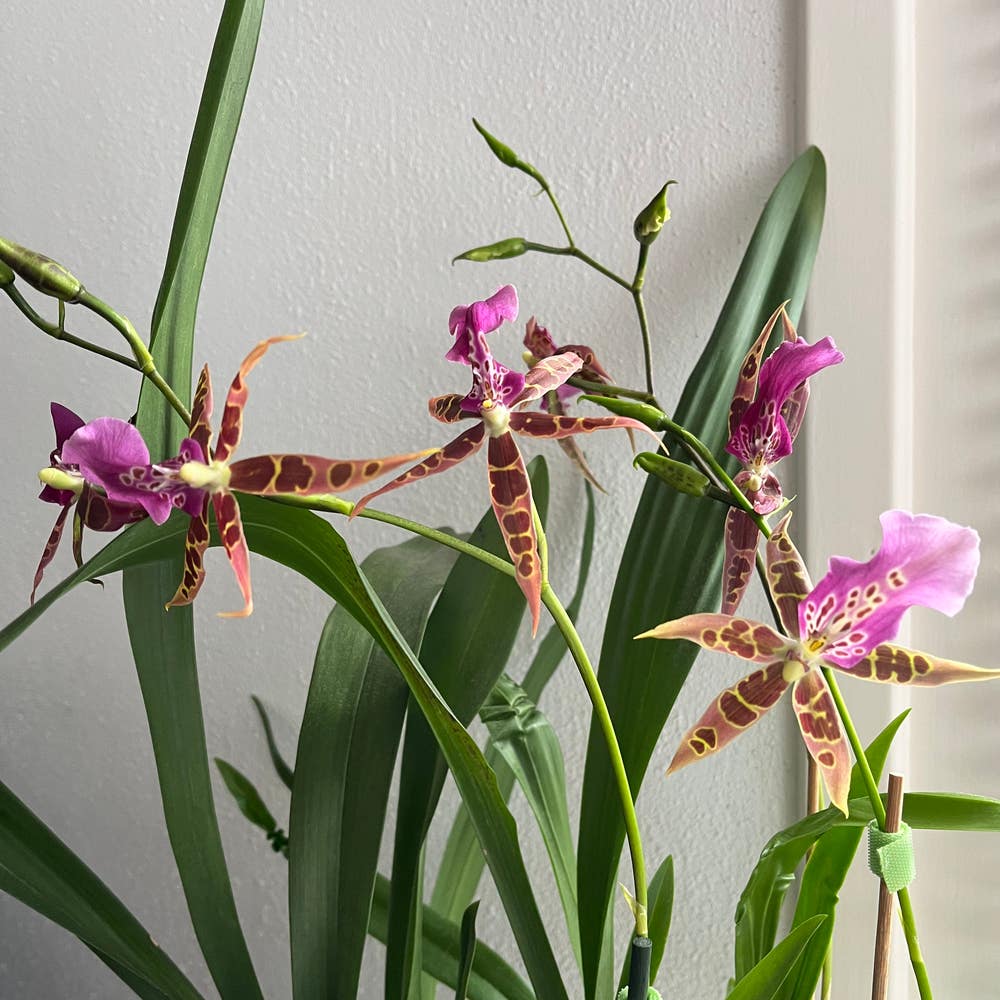
Zygopetalum orchids bring a stunning aesthetic to any garden with their unique colors and intricate patterns. Their vibrant blooms can serve as eye-catching focal points, enhancing the overall beauty of your landscape.
Investing in Zygopetalum is a long-term commitment. Unlike annuals, these orchids can thrive for years, providing consistent beauty and interest throughout the seasons.
Tips for Integrating Zygopetalum into Garden Design 🌿
Companion Planting
Choosing the right companions can elevate your garden's appeal. Pair Zygopetalum with plants that share similar light and humidity needs for a harmonious look.
Placement Considerations
Zygopetalum thrives in bright, indirect light and requires a humid environment. Position them in spots that mimic their natural habitat for optimal growth.
Design Strategies
Create stunning focal points by grouping Zygopetalum with contrasting foliage. This not only highlights their beauty but also adds depth to your garden design.
Incorporating Zygopetalum into your garden can transform it into a vibrant, year-round spectacle. As you plan your design, consider how these orchids can enhance both aesthetics and longevity in your planting scheme.
Maximizing Longevity
Best Practices for Managing Zygopetalum as a Perennial 🌱
Watering Techniques
Maintaining the right moisture level is crucial for Zygopetalum orchids. Water them thoroughly but allow the potting medium to dry slightly between waterings to prevent root rot.
Fertilization Schedule
Zygopetalum has specific nutrient needs throughout the year. Use a balanced orchid fertilizer every 2-4 weeks during the growing season and reduce feeding in the dormant phase.
Pruning and Maintenance
Regular pruning encourages healthy growth and flowering. Remove dead or yellowing leaves and spent blooms to promote air circulation and prevent disease.
Tips for Enhancing Growth and Flowering 🌼
Optimal Light Conditions
Understanding light requirements is key to successful flowering. Zygopetalum thrives in bright, indirect light; too much direct sunlight can scorch the leaves.
Humidity Control
Creating ideal humidity levels is essential for growth. Aim for 50-70% humidity, which can be achieved with a humidity tray or regular misting.
Seasonal Care
Adjust your care practices based on the orchid's lifecycle stages. During dormancy, reduce watering and fertilization, while increasing care as it transitions back to active growth.
By following these best practices and tips, you can ensure your Zygopetalum thrives as a perennial, bringing beauty and joy to your garden for years to come. Next, let’s explore the garden design implications of incorporating Zygopetalum into your landscape.
⚠️ Safety First
This content is for general information and may contain errors, omissions, or outdated details. It is not medical, veterinary advice, or an endorsement of therapeutic claims.
Always consult a qualified healthcare professional before using any plant as food, medicine, or supplement.
Never eat any plant (or feed one to pets) without confirming its identity with at least two trusted sources.
If you suspect poisoning, call Poison Control (800) 222-1222, the Pet Poison Helpline (800) 213-6680, or your local emergency service immediately.
Spotted an error? Please report it here.
Unlock the beauty of Zygopetalum orchids 🌿 with Greg's tailored care tips and reminders, ensuring they thrive through every stage of their unique lifecycle!