🌸 4 Key Winter Strategies for Zygopetalum Orchid
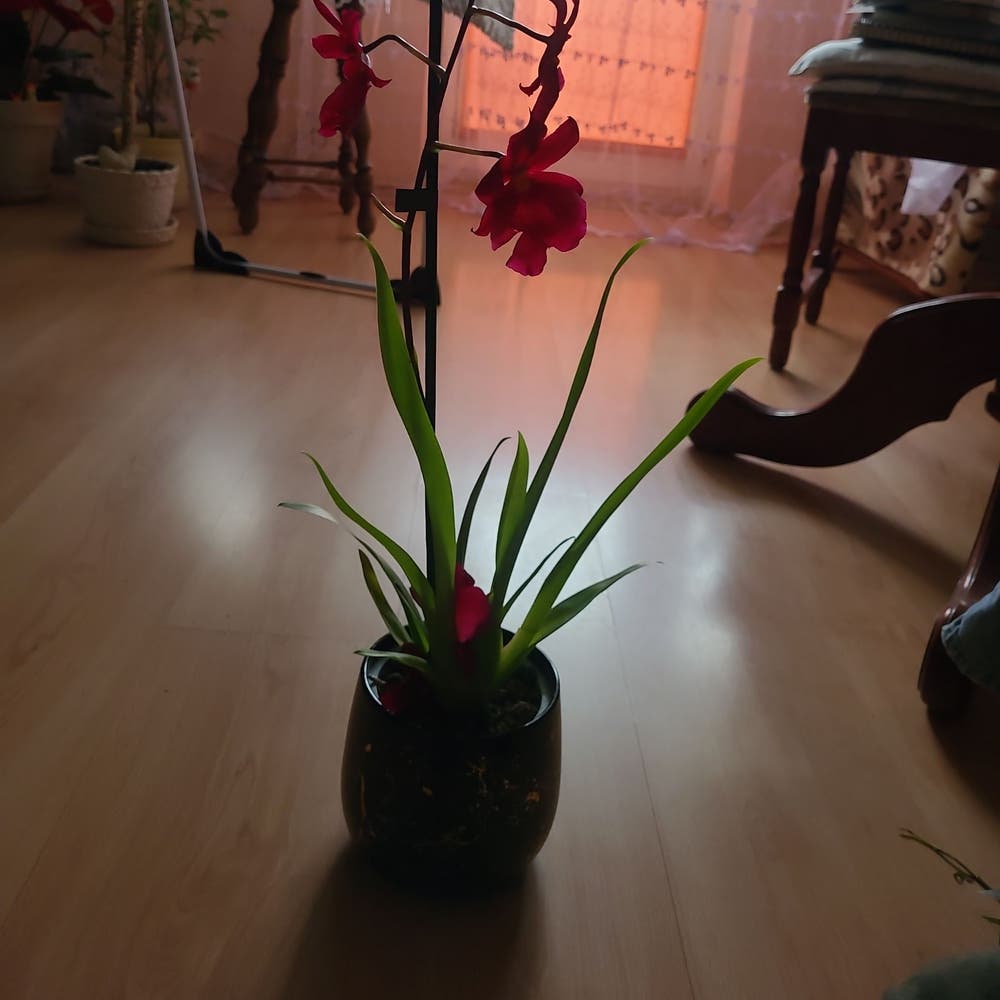
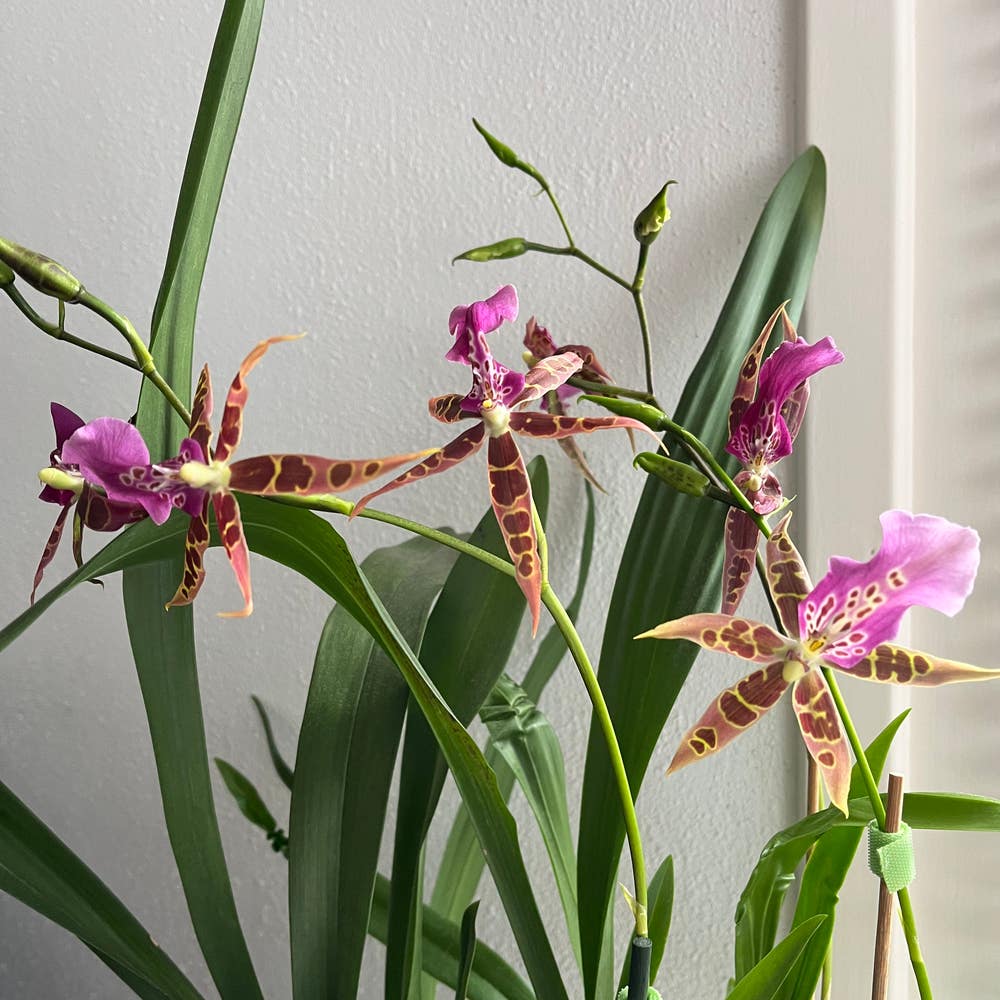
Zygopetalum maculatum
By the Greg Editorial Team
Sep 30, 2024•5 min read
This article was created with the help of AI so we can cover more plants for you. May contain errors. See one? Report it here.
Ensure your Zygopetalum orchids flourish this winter with essential care tips for vibrant spring growth! ❄️🌱
- ❄️ Protect Zygopetalum orchids from frost by choosing indoor placements or using frost cloths.
- 💧 Reduce winter watering frequency to prevent root rot and allow substrate to dry.
- 🌡️ Maintain optimal temperatures (15°C to 20°C) for healthy winter growth and recovery.
Winter Care Strategies
❄️ Frost Protection Techniques
Indoor vs. Outdoor Placement
Choosing the right location for your Zygopetalum orchids is crucial. Indoor plants are generally safer from frost, while outdoor placements require careful consideration of exposure.
Use of Frost Cloths or Blankets
For outdoor orchids, using frost cloths or blankets can provide essential protection. These materials are easy to apply and can significantly reduce frost damage.
Bringing Pots Indoors
During extreme cold spells, it's wise to bring pots indoors. This simple step can safeguard your orchids from harsh winter conditions.
💧 Adjusting Watering Schedules
Reduced Watering Frequency
In winter, reduce your watering frequency to allow the substrate to dry out. This helps prevent root rot and keeps your orchids healthy.
Signs of Overwatering
Watch for yellowing leaves and mushy roots as indicators of overwatering. These symptoms signal that your plant is struggling and needs immediate attention.
Recommended Watering Method
Soaking and draining is the best method for winter watering. This technique prevents waterlogging and ensures your orchids receive adequate moisture without drowning.
🌱 Fertilizing in Winter: What to Know
Timing of Fertilization
Avoid fertilizing during the dormancy period. This allows your orchids to rest and conserve energy for the upcoming growth season.
Type of Fertilizer
Opt for low-nitrogen fertilizers during winter feeding. These options support your orchids without promoting excessive growth.
Frequency
If you notice growth resuming, fertilize once a month. This keeps your orchids nourished without overwhelming them.
🏡 Indoor Care Tips During Winter
Temperature Control
Maintain a temperature range of 15°C to 20°C (59°F to 68°F). This range is ideal for keeping your orchids thriving during the colder months.
Humidity Management
Use humidifiers or pebble trays to maintain moisture levels. Orchids thrive in humidity, and these methods can help create a suitable environment.
Air Circulation
Avoid stagnant air around your plants. Good air circulation is vital for preventing mold and promoting healthy growth.
By implementing these winter care strategies, you can ensure your Zygopetalum orchids remain vibrant and healthy. As we transition into spring, it's essential to recognize signs of winter damage and prepare for the upcoming growth season.
Spring Preparation and Recovery
🌨️ Signs of Winter Damage
As winter fades, your Zygopetalum orchid may show signs of stress. Look for wilting, browning leaves, or mushy roots, which indicate potential damage.
Assess the overall health of your plant by checking for new growth. A lack of fresh shoots can signal that your orchid needs some extra care.
🛠️ Steps for Recovery from Winter Stress
Start by pruning any damaged leaves. This encourages new growth and improves airflow around the plant.
Next, adjust your care routine post-winter. Gradually increase both water and light exposure to help your orchid bounce back.
Finally, keep an eye out for pests. Increased vigilance is crucial after winter dormancy, as pests can thrive in the warmer conditions.
🌱 Preparing for Spring Growth
Transitioning care is essential as spring approaches. Begin by gradually reintroducing fertilizers to support new growth.
Consider repotting if your orchid has outgrown its pot. This is best done after winter, ensuring the roots have room to expand.
Lastly, adjust light exposure as the days lengthen. Your orchid will thrive with increased light, so make sure it gets the brightness it needs.
With these strategies, your Zygopetalum orchid will be well-prepared for a vibrant spring season. Transitioning into the next section, let’s explore the environmental considerations that will further enhance your orchid's growth.
Environmental Considerations
Ideal Temperature Ranges 🌡️
Maintaining the right temperature is crucial for your Zygopetalum orchids. Aim to keep temperatures above 10°C (50°F) to avoid stress and potential damage.
Temperature fluctuations can disrupt dormancy, leading to stunted growth or even plant decline. Consistency is key, so monitor your environment closely.
Humidity Requirements 💧
Zygopetalum orchids thrive in humidity levels between 50-70%. This range mimics their natural habitat and promotes healthy growth.
To increase humidity indoors, consider using misting techniques or humidity trays filled with water and pebbles. These methods create a microclimate that keeps your orchids happy.
Light Conditions 💡
Bright, indirect light is ideal for Zygopetalum orchids. Too much direct sunlight can scorch their leaves, while too little can hinder growth.
If natural light is insufficient, don't hesitate to use grow lights. They can provide the necessary light spectrum to keep your orchids thriving, especially during the darker winter months.
By ensuring the right temperature, humidity, and light conditions, you set the stage for your Zygopetalum orchids to flourish. Next, let’s explore common problems and their solutions to keep your plants healthy year-round.
Common Problems and Solutions
🌨️ Identifying and Addressing Frost Damage
Frost damage can be a real concern for Zygopetalum orchids during winter. Look for symptoms like blackened or mushy areas on the leaves, which indicate that your plant has been exposed to freezing temperatures.
To recover from frost damage, prune away the affected areas. This not only improves the plant's appearance but also encourages new growth and better airflow.
💧 Solutions for Overwatering or Underwatering
Watering issues can plague your orchids if not monitored closely. Signs of overwatering include root rot and yellowing leaves, while underwatering manifests as wrinkled leaves and dry potting medium.
Adjust your watering practices based on the season. In winter, reduce frequency to allow the substrate to dry out between waterings, ensuring your orchid stays healthy.
🐛 Managing Pests During the Winter Season
Winter can bring its own set of pests, with mealybugs and spider mites being the most common culprits. Regular inspections are crucial to catch these pests early and maintain humidity levels to deter infestations.
For treatment, consider using insecticidal soap or neem oil. These options are effective and help keep your orchids thriving through the colder months.
As you navigate these common problems, remember that proactive care is key. By staying vigilant and adjusting your practices, you can ensure your Zygopetalum orchids remain healthy and vibrant. Next, let’s explore how to prepare for spring growth and recovery.
⚠️ Safety First
This content is for general information and may contain errors, omissions, or outdated details. It is not medical, veterinary advice, or an endorsement of therapeutic claims.
Always consult a qualified healthcare professional before using any plant as food, medicine, or supplement.
Never eat any plant (or feed one to pets) without confirming its identity with at least two trusted sources.
If you suspect poisoning, call Poison Control (800) 222-1222, the Pet Poison Helpline (800) 213-6680, or your local emergency service immediately.
Spotted an error? Please report it here.
Keep your Zygopetalum orchids thriving this winter ❄️ by using Greg's tailored reminders for watering and frost protection, ensuring they flourish despite the chill!