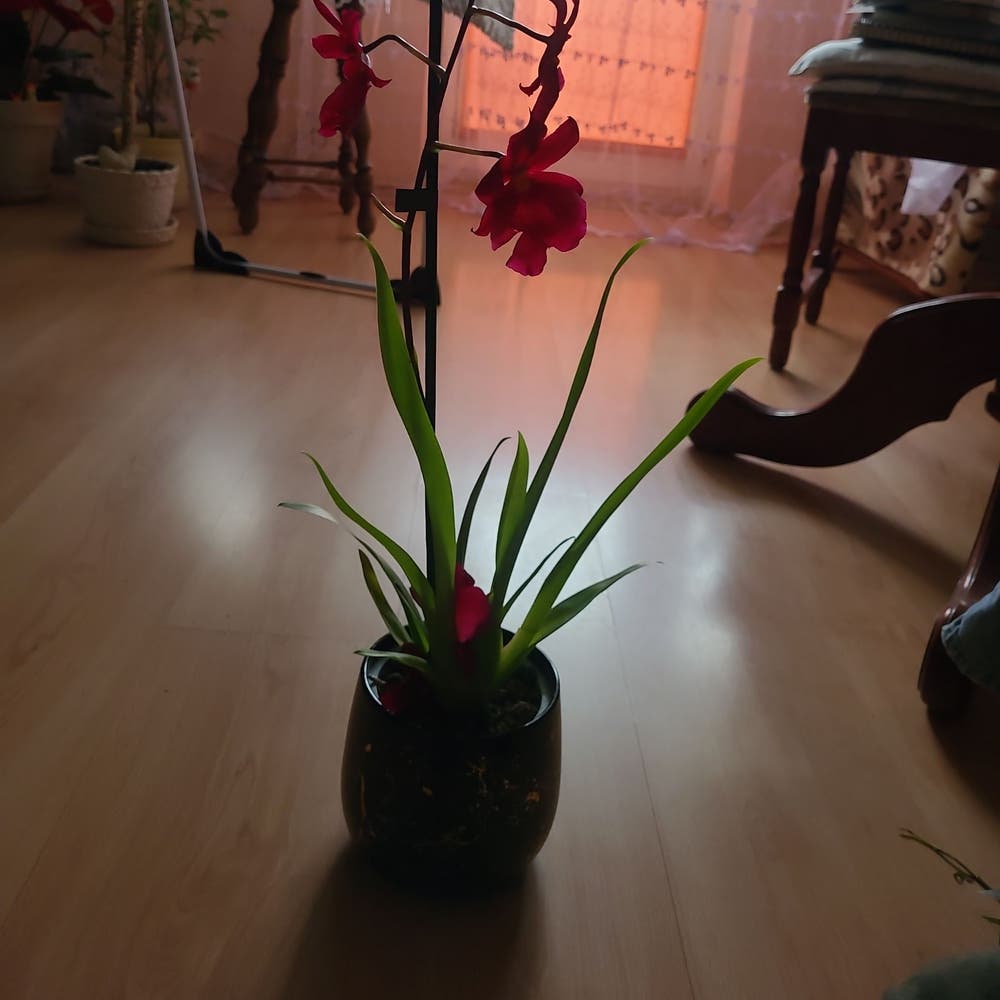
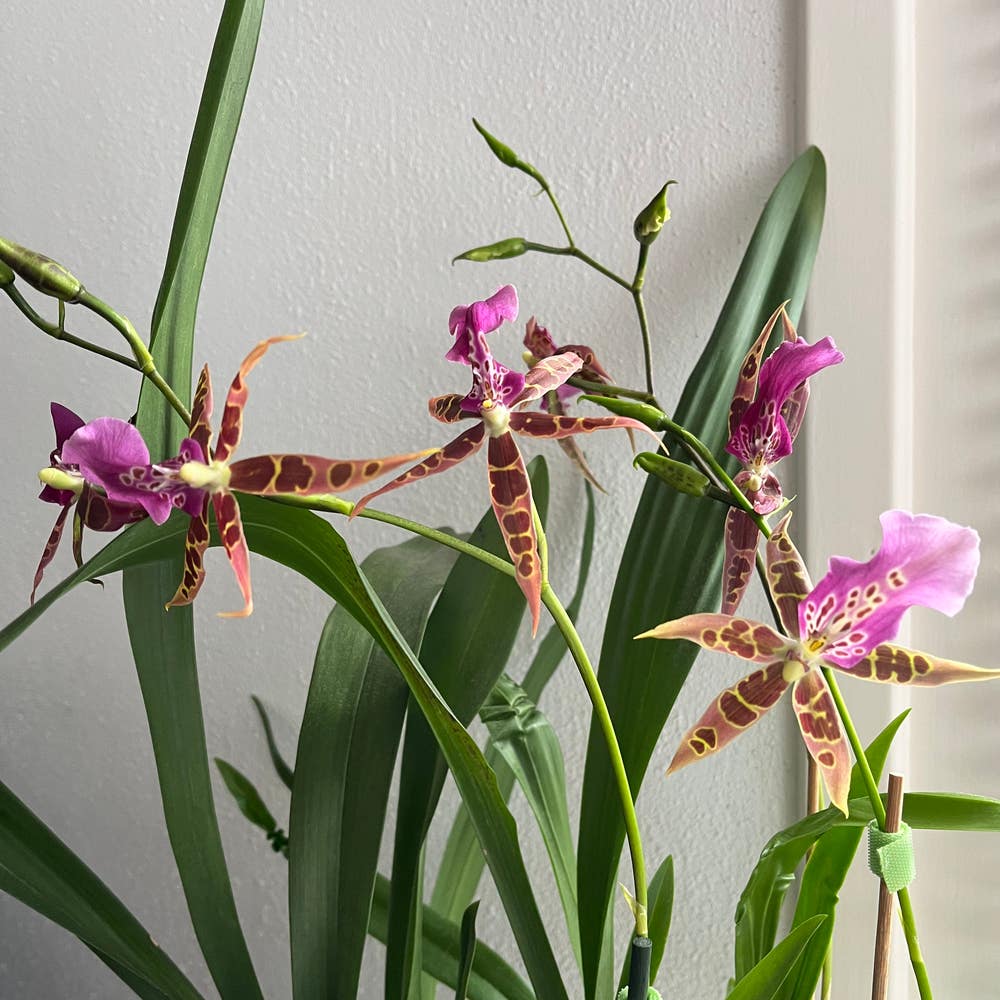
🌞 Does My Zygopetalum maculatum Need Direct Sunlight?
Zygopetalum maculatum
By the Greg Editorial Team
Feb 09, 2024•4 min read
This article was created with the help of AI so we can cover more plants for you. May contain errors. See one? Report it here.
Nurture vibrant Zygopetalum blooms with the right light balance—no sunburns here! 🌿🌤️
- 🌤️ Zygopetalum maculatum prefers 70% shade to prevent sunburn.
- Window direction matters for the right light intensity.
- Seasonal shifts require sunlight adjustments to keep orchids healthy.
Sunlight and Zygopetalum maculatum: A Delicate Dance
💃 What Exactly is Direct Sunlight?
Think of direct sunlight as the sun's full, unfiltered performance, hitting the stage of your windowsill with all its might. It's the sun's rays beaming straight down without any barriers. Indirect sunlight, on the other hand, is the sun's more considerate understudy, offering a softer light that doesn't overwhelm your plants.
🌿 Zygopetalum maculatum's Sunlight Preferences
Zygopetalum maculatum does a graceful sidestep when it comes to direct sunlight. It's a lover of the limelight, but not too intense. 70% shade is its jam, keeping it cool and collected. Too much sun? That's when the drama unfolds—leaves get sunburned, and blooms might throw a fit. Keep an eye out for crispy, brown patches; they're the telltale signs your orchid is pleading for some sunglasses.
Window Direction: A Compass for Your Orchid
🌞 North, South, East, or West: Where to Best?
Think of your Zygopetalum maculatum as a sun connoisseur with very particular tastes. Window direction is its menu of options. East-facing windows are like a soft morning hug for your orchid, offering gentle light that won't overwhelm. West-facing windows, however, are the afternoon's espresso shot—intense and potentially too much for your delicate plant.
🌍 Hemisphere Hints
Your global location plays a role in your orchid's light diet. In the Northern Hemisphere, a south-facing window is like a sunbathing lounge, but it's the north-facing window that's the cool shade under a tree. Flip that if you're down under in the Southern Hemisphere—north-facing windows there are the sunny spots. Adjust your plant's position with the seasons; it's like updating your wardrobe for the weather—necessary and sensible.
Tailoring Sunlight to Your Zygopetalum maculatum's Taste
⛅️ Mimicking the Cloudy Canopies
Zygopetalum maculatum orchids hail from brightly lit yet humid environments, shielded from the harsh direct sun by cloud cover and tree canopies. To keep these orchids thriving, aim to replicate these conditions within your home.
🌿 Adapting to Your Home Environment
Leaf clues are your best friend when gauging your orchid's happiness with its light situation. Leaves that are a healthy light green without signs of yellowing or sunburn indicate contentment. If they're dark green and floppy, it's a cry for more light. Conversely, leaves with a reddish tinge or crispy edges scream for respite from excessive light.
In your home, position your Zygopetalum maculatum near a window that receives filtered light, such as through a sheer curtain. South-facing windows can work if the light is diffused; otherwise, east or west-facing windows are your go-to. If your living space is more like a cave than a greenhouse, consider a grow light to brighten things up.
Remember, your orchid isn't a statue; it's a living entity that needs you to be responsive to its needs. Adjust its position as the seasons change, and watch for those tell-tale leaf signals to keep it basking in just the right amount of light.
Sunlight Management: Tips and Tricks
🌞 Positioning Your Plant for Success
Finding the sweet spot for your Zygopetalum maculatum is a bit like playing botanical Goldilocks. The goal is to avoid the extremes of too much or too little light.
Place your orchid in a spot with bright, indirect light. Direct southern or western exposure can be harsh, so use sheer curtains or a leafy tree outside the window to soften the rays.
🌦 Seasonal Shifts and Sunlight Adjustments
As the Earth tilts and turns, your orchid's light needs shift. In summer, the sun's intensity calls for a retreat from the window.
Come winter, the weaker rays mean you can cozy your plant up closer to the light source. Keep an eye on the foliage; if leaves are dark and lush, you're on track. If they're bleached or scorched, it's time to reposition.
Rotate your Zygopetalum maculatum periodically to ensure even growth and prevent it from leaning into the light like a sunbather chasing a tan.
Remember, your orchid's happiness is a year-round commitment, not a seasonal fling. Use light meters or your keen observation to adjust its spot as needed, ensuring it gets just the right amount of light to thrive.
⚠️ Safety First
This content is for general information and may contain errors, omissions, or outdated details. It is not medical, veterinary advice, or an endorsement of therapeutic claims.
Always consult a qualified healthcare professional before using any plant as food, medicine, or supplement.
Never eat any plant (or feed one to pets) without confirming its identity with at least two trusted sources.
If you suspect poisoning, call Poison Control (800) 222-1222, the Pet Poison Helpline (800) 213-6680, or your local emergency service immediately.
Spotted an error? Please report it here.
Keep your Zygopetalum maculatum thriving with the perfect spot and light 🌿, courtesy of Greg's PlantVision and personalized care reminders.