Why Are My Zygopetalum maculatum Leaves Falling Over?
Zygopetalum maculatum
By the Greg Editorial Team
Feb 09, 2024•5 min read
This article was created with the help of AI so we can cover more plants for you. May contain errors. See one? Report it here.
Revive your Zygopetalum's droopy leaves 🍂 and ensure lasting plant health with expert insights!
- Wilting and spots mean distress; firm leaves indicate health.
- Temperature and watering are key to preventing droopy leaves.
- Support and routine checks maintain Zygopetalum leaf vitality.
Spotting the Signs: When Your Zygopetalum's Leaves Start to Droop
🚨 The Telltale Symptoms
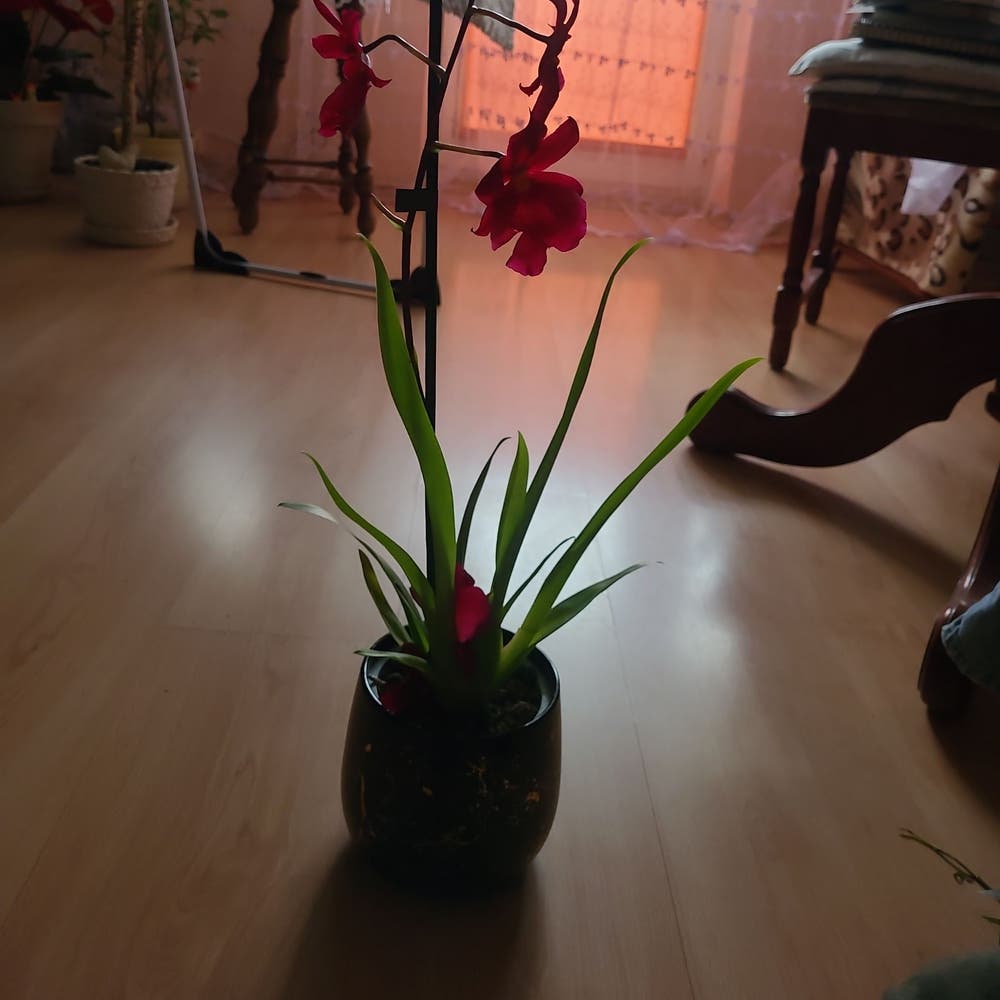
Wilting leaves that once stood proudly are a clear distress signal. If your Zygopetalum's leaves are hanging like limp noodles, it's time to take action. Yellowing or brown spots are not just an eyesore; they're a cry for help. Soil should feel like a wrung-out sponge, and anything else is a sign of trouble.
👐 Touch and Tell
The texture of your plant's leaves can be a dead giveaway. Healthy leaves are firm and robust, not flimsy or papery. If the leaves feel like a soggy paper towel, you've got a problem on your hands.
🕰 It's All in the Timing
Seasonal sag can be normal; it's like your plant is taking a breather. But, if the droopiness is accompanied by discoloration or textural changes, it's not just kicking back—it's in distress.
🌱 Growth Patterns
New growth can sometimes cause a temporary change in leaf posture. Think of it as your plant's awkward teenage phase. But if the sagging persists, it's not just growing pains; it's a sign that something's off.
The Usual Suspects: Common Culprits Behind the Collapse
💧 Watering Woes
Overwatering can turn roots into mushy, brown messes, while underwatering leaves them wrinkled and thirsty. It's a delicate dance to keep the watering just right, but your plant's life depends on it.
🚦 Signs of Overwatering vs. Underwatering
Overwatered roots are a sad sight—limp and lifeless. Underwatered ones are parched, like they've been through a desert. Keep an eye out for these signs to steer clear of watering disasters.
🌡 Temperature Troubles
Zygopetalum maculatum thrives in temperatures that are just right—not too hot, not too cold. If your plant's leaves are drooping, it might be throwing a temperature tantrum.
🌿 How to Adjust Your Plant's Environment
If your plant's leaves are falling over, it might be time to play Goldilocks and find the temperature that's just right. Too much heat or cold can send your Zygopetalum into a spiral of despair.
The Usual Suspects: Common Culprits Behind the Collapse
In the quest to keep Zygopetalum maculatum leaves from flopping, we zero in on two usual suspects: watering missteps and temperature tantrums.
💧 Watering Woes
The Balancing Act
Finding the right watering routine is like being a plant's personal bartender—know when to cut off the drinks and when to top them up. Overwatering leaves you with a soggy, yellowed mess, while underwatering turns your plant into a wilted wallflower.
Signs of Overwatering vs. Underwatering
Overwatering is the plant equivalent of waterlogged boots—no one can stand tall in those. Look for yellowing, limp leaves. Underwatering, on the other hand, leaves your plant's leaves dry and thirsty, like they've been through a desert trek.
🌡️ Temperature Troubles
Ideal Temperatures for Zygopetalum maculatum
These orchids like it cozy, not too hot, not too cold. Aim for a sweet spot between 60-80°F (15-27°C) to keep your plant from throwing a temperature tantrum.
How to Adjust Your Plant's Environment for Optimal Leaf Health
If your plant's leaves are drooping like they've given up on life, it might be time to move them away from that drafty window or out of the sauna-like sunroom. Keep the environment as consistent as a favorite playlist—no sudden skips or shocking tracks.
Battling the Bugs and Blights: Disease and Pest Prevention
In the ongoing battle to keep your Zygopetalum maculatum's leaves from drooping, pests and diseases are the adversaries you can't ignore.
🐜 Pest Patrol
Common Pests in Zygopetalum maculatum
Your Zygopetalum may play host to unwanted guests like aphids, spider mites, and thrips. These critters are like tiny vampires, sucking the life out of your plant's leaves, causing them to fall over in defeat.
🌿 Safe and Effective Pest Control Strategies
Neem oil is the superhero in the pest control arsenal. It's a natural, effective option that sends pests packing without the collateral damage of harsh chemicals. For a hands-on approach, a good old-fashioned water spray can knock pests off their feet.
🍄 Fungal Fights
Spotting Fungal Infections Early
Fungal infections sneak in like thieves in the night, leaving behind a trail of discolored, spotted leaves. Early detection is crucial; it's the difference between a quick recovery and a plant apocalypse.
🛡️ Treatment and Prevention of Fungal Diseases
When fungal invaders breach your defenses, it's time to bring out the fungicides. But remember, the best offense is a good defense—dry leaves and good airflow are the watchtowers that keep fungal foes at bay.
Pro Tips for Perky Leaves: Long-Term Care and Prevention
Ensuring your Zygopetalum maculatum remains upright is a mix of preventive care and timely intervention.
🌱 Physical Support Strategies
Staking is like a trusty sidekick for your plant's leaves. When to stake? As soon as you notice a slouch. How? Gently tie the stem to a stake, avoiding tight knots that can damage the plant.
- Use soft ties or plant tape to avoid cutting into the stems.
- Alternative supports could include a small trellis or a wire frame, especially for larger plants.
🛠️ Routine Maintenance
Regular check-ups are non-negotiable. Look for signs of stress like wilting or discoloration. Adjust care routines as needed to maintain leaf vitality.
- Rotate your plant periodically to ensure even light exposure.
- With the change of seasons, tweak your watering and feeding schedule to match your plant's needs.
⚠️ Safety First
This content is for general information and may contain errors, omissions, or outdated details. It is not medical, veterinary advice, or an endorsement of therapeutic claims.
Always consult a qualified healthcare professional before using any plant as food, medicine, or supplement.
Never eat any plant (or feed one to pets) without confirming its identity with at least two trusted sources.
If you suspect poisoning, call Poison Control (800) 222-1222, the Pet Poison Helpline (800) 213-6680, or your local emergency service immediately.
Spotted an error? Please report it here.
Revitalize your Zygopetalum maculatum's droopy demeanor by letting Greg's custom care alerts 🌱 guide you to the perfect balance of water, warmth, and pest control.