🌼 Where to Plant Your Everlasting
Helichrysum spp.
By the Greg Editorial Team
Oct 18, 2024•5 min read
This article was created with the help of AI so we can cover more plants for you. May contain errors. See one? Report it here.
- ☀️ Everlasting plants need 6-8 hours of sunlight daily for optimal growth.
- 🌱 Well-drained sandy loam soil is essential for Everlasting plant health.
- 🌬️ Wind protection and microclimates enhance growth and resilience in your garden.
Assessing the Best Spot
🌞 Evaluating Sunlight Patterns in the Garden
Observing sunlight patterns is crucial for your Everlasting plants. Track sunlight exposure by spending a day in your garden, noting which areas bask in sunlight and which remain shaded.
To identify consistent sunlight spots, look for areas that receive at least 6-8 hours of direct sunlight daily. This exposure is vital for robust growth and vibrant blooms.
Seasonal changes can significantly affect sunlight availability. During winter, the sun's angle shifts, potentially reducing light in previously sunny spots.
🌱 Analyzing Soil Conditions and Drainage
Assessing soil texture and drainage capabilities is essential for Everlasting health. Conduct a percolation test by digging a hole, filling it with water, and observing how quickly it drains.
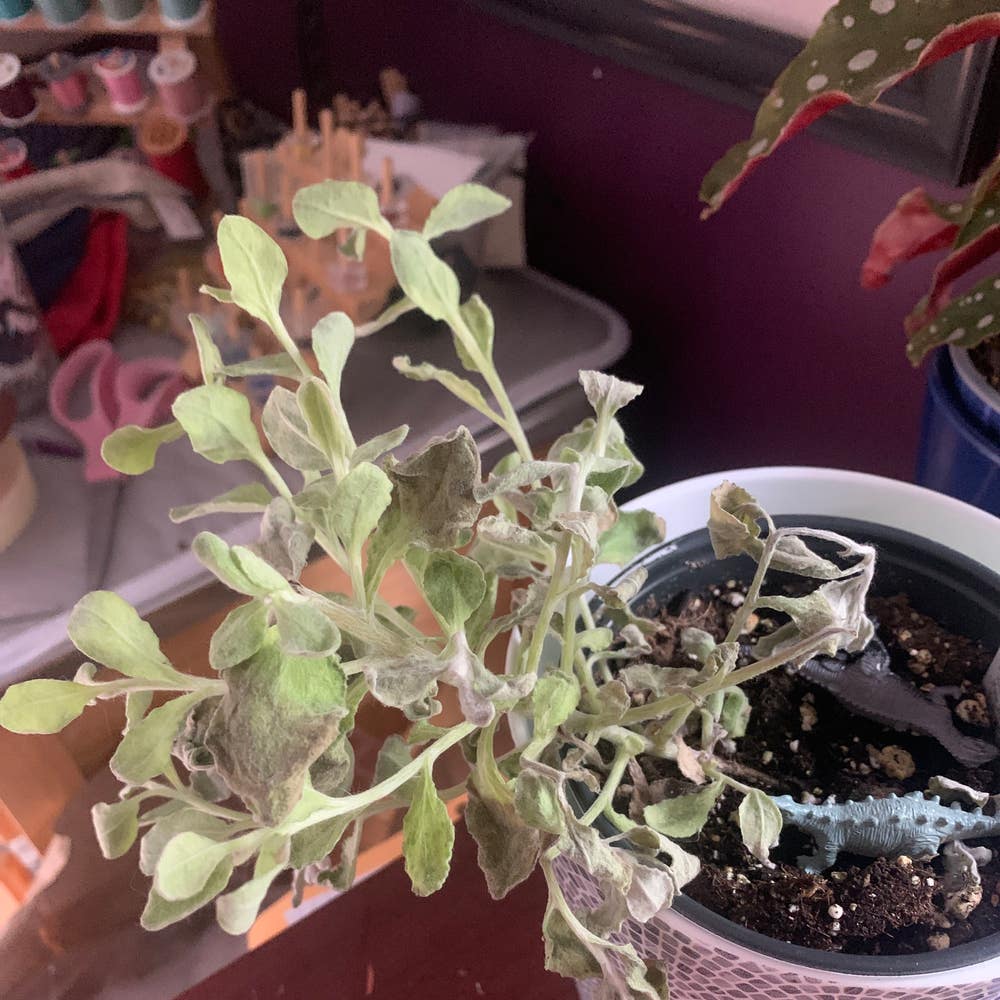
Signs of poor drainage include standing water or overly compacted soil. Avoid these areas to prevent root rot and other issues.
To amend your soil for optimal conditions, consider adding organic matter like compost or peat moss. These amendments enhance drainage and improve soil fertility.
🌤️ Considering Microclimates in the Landscape
Understanding microclimates can elevate your gardening game. A microclimate is a small area with different climate conditions than the surrounding region, often influenced by structures or natural features.
Examples include sheltered spots near walls or heat pockets created by stones. Recognizing these can help you select the best planting locations.
Utilizing microclimates effectively can enhance Everlasting growth. Position your plants in these favorable areas to take advantage of unique temperature and moisture conditions.
With a solid understanding of sunlight, soil, and microclimates, you’re well on your way to creating an ideal environment for your Everlasting plants. Next, let's explore the ideal planting locations to maximize their growth potential.
Ideal Planting Locations
🌞 Sunlight Exposure Requirements
For Everlasting plants, full sun is crucial. They thrive best with a minimum of 6-8 hours of direct sunlight daily, which promotes enhanced flowering and robust growth.
However, Everlasting can also tolerate partial shade. In such conditions, they may still flourish, but flowering and overall health could be compromised.
🌱 Soil Type Preferences
Well-drained soil is essential for the health of Everlasting. Poor drainage can lead to root rot, so aim for sandy loam or loamy soil types that facilitate proper drainage.
Soil pH is another key factor. The optimal pH range for Everlasting is between 6.0 and 7.5. Testing your soil pH and making necessary amendments can significantly improve plant health.
🌿 Proximity to Other Plants or Structures
Companion planting can be beneficial for Everlasting. Planting them near drought-resistant plants can enhance growth and resilience.
Spacing is also important. Ensure adequate space between plants for air circulation, which helps prevent overcrowding and reduces the risk of disease.
With these ideal planting locations in mind, you can set your Everlasting up for success. Next, let’s explore the importance of wind protection and shelter for these resilient plants.
Wind Protection and Shelter
🌬️ Importance of Windbreaks for Everlasting
Wind can be a silent enemy for Everlasting plants. Strong gusts can cause physical damage, uproot young plants, and stress established ones, making stability and protection essential for healthy growth.
To combat these challenges, consider implementing windbreaks. Natural barriers like trees and shrubs can effectively shield your plants, while artificial options such as fences and trellises also provide necessary protection.
🏡 Choosing Sheltered Locations
Identifying sheltered spots in your garden is crucial. Look for areas that are naturally protected from prevailing winds, such as near walls, fences, or other structures.
Planting near these structures not only offers wind protection but can also create a more favorable microclimate. This can lead to healthier Everlasting plants that thrive in a more stable environment.
With the right wind protection and shelter, your Everlasting can flourish beautifully, setting the stage for the next steps in your gardening journey.
Indoor Planting Considerations
🌞 Light Requirements for Indoor Settings
Assessing indoor light conditions is crucial for the health of your Everlasting plants. You'll encounter two main types of indoor light: natural and artificial.
Natural light is ideal, so look for windows that receive ample sunlight. South-facing windows typically offer the best exposure, while east and west-facing windows can also work well.
If natural light is lacking, don't fret. You can easily adjust light exposure by using grow lights to supplement what your plants need.
🪴 Soil and Potting Mix Recommendations
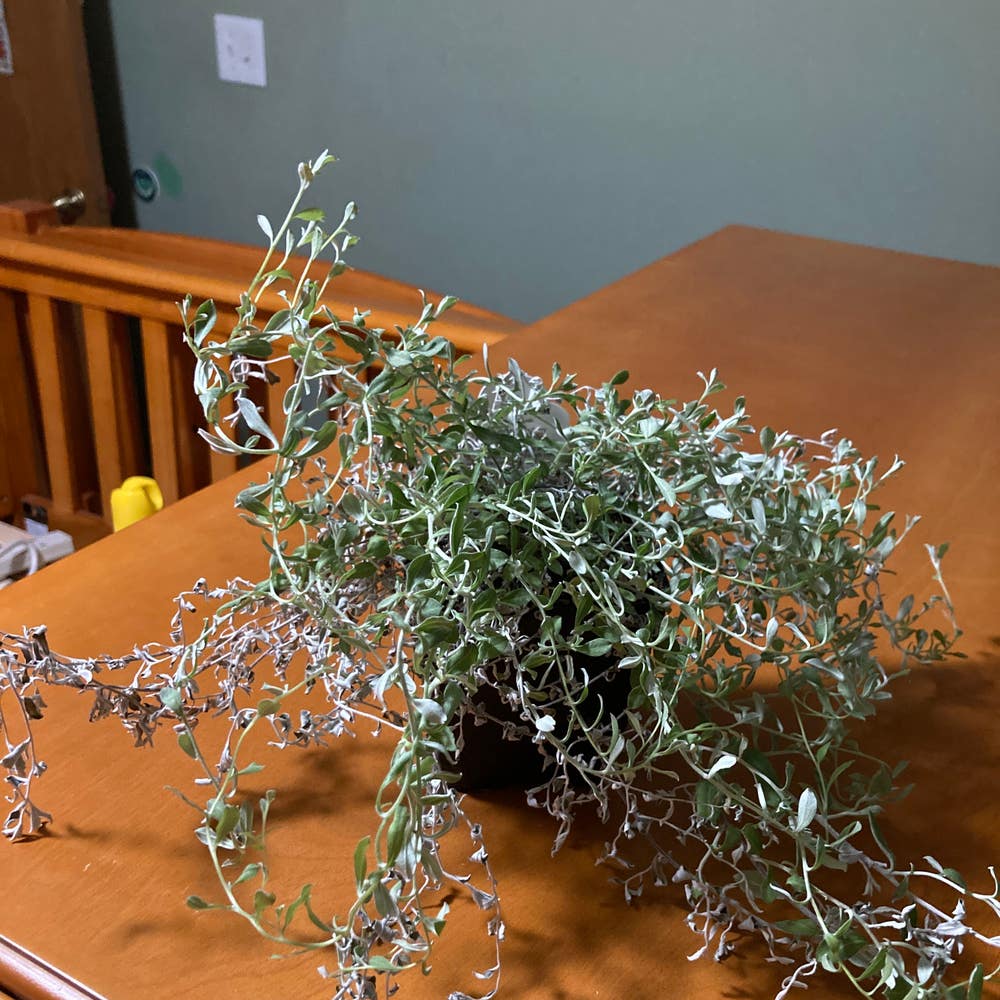
Choosing the right potting mix is essential for indoor Everlasting success. A well-draining potting mix should include components like peat moss, perlite, and compost to ensure proper aeration.
Avoid waterlogged conditions at all costs, as they can lead to root rot. A mix that drains well will keep your plants thriving.
When it comes to pot size, select one that allows for growth without crowding. Ensure that your pots have adequate drainage holes to prevent excess moisture buildup.
With the right light and soil conditions, your Everlasting plants can flourish indoors, bringing vibrant life to your space. Next, let's explore the ideal planting locations outdoors to maximize their growth potential.
⚠️ Safety First
This content is for general information and may contain errors, omissions, or outdated details. It is not medical, veterinary advice, or an endorsement of therapeutic claims.
Always consult a qualified healthcare professional before using any plant as food, medicine, or supplement.
Never eat any plant (or feed one to pets) without confirming its identity with at least two trusted sources.
If you suspect poisoning, call Poison Control (800) 222-1222, the Pet Poison Helpline (800) 213-6680, or your local emergency service immediately.
Spotted an error? Please report it here.
Cultivate a thriving garden 🌼 for your Everlasting plants by mastering sunlight and soil care, and let Greg guide you with tailored tips and reminders for success!