☀️ Optimal Temperature for Your Everlasting
Helichrysum spp.
By the Greg Editorial Team
Oct 18, 2024•5 min read
This article was created with the help of AI so we can cover more plants for you. May contain errors. See one? Report it here.
- 🌡️ Optimal temperature for Everlastings is 60°F to 75°F for best growth.
- ❄️🔥 Cold and heat stress symptoms include wilting, browning, and drooping leaves.
- 🌱 Gradual temperature changes help Everlastings adapt better than sudden shifts.
Temperature Needs
Optimal Temperature Range 🌡️
For your Everlasting plants, the ideal temperature range is between 60°F to 75°F (15°C to 24°C). Maintaining this range is crucial for promoting healthy growth and vibrant flowering.
Different Everlasting varieties may have unique temperature tolerances. For instance, some varieties show remarkable resilience, thriving even when conditions fluctuate slightly outside the ideal range.
Temperature Fluctuations and Impact 🌪️
Sudden temperature changes can significantly affect the health of your Everlasting plants. These abrupt shifts can lead to stress, making it essential to monitor your plants closely.
Gradual temperature changes, on the other hand, allow your plants to adapt more comfortably. Consistent monitoring of temperature fluctuations is vital for ensuring steady growth and preventing potential issues.
Temperature Stress
❄️ Signs of Cold Stress
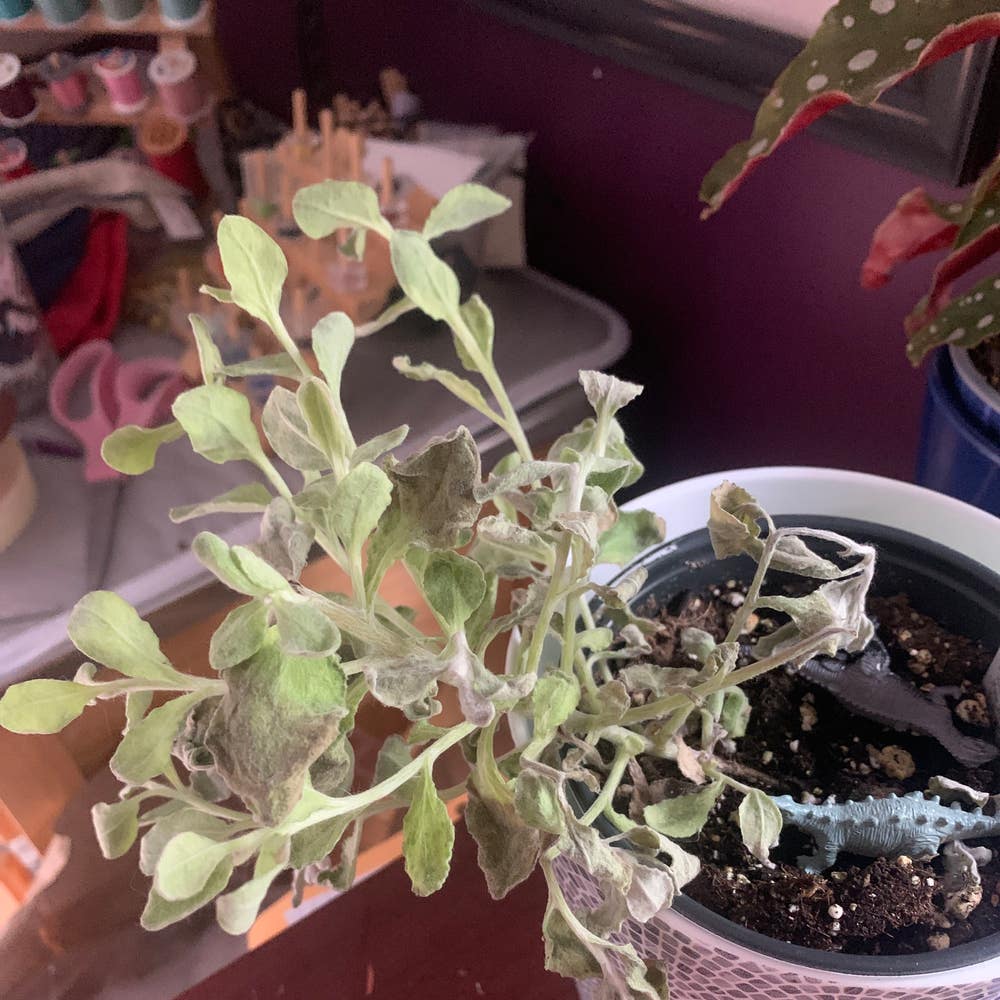
Cold stress can manifest in several noticeable symptoms. Look for wilting leaves, stunted growth, and discoloration, which are clear indicators that your Everlasting is struggling with low temperatures.
Specific temperature thresholds for cold stress typically hover around 32°F (0°C). Prolonged exposure to these chilling conditions can lead to long-term damage, affecting the plant's overall health and vigor.
🔥 Signs of Heat Stress
Heat stress presents its own set of challenges. Symptoms include leaf scorch, browning edges, and drooping foliage, signaling that your plant is overwhelmed by high temperatures.
For Everlastings, temperatures exceeding 85°F (29°C) can trigger heat stress. This condition not only impacts the plant's appearance but can also hinder flowering and reduce overall vigor.
🌡️ Causes of Temperature Stress
Temperature stress can arise from various environmental factors. Sudden weather changes, prolonged heat waves, and unexpected frosts can all take a toll on your Everlasting.
Human-induced factors also play a role. Poor placement, lack of shade, and inadequate insulation can exacerbate temperature-related issues, making it crucial to consider your plant's environment carefully.
Understanding these signs and causes will help you take proactive measures to protect your Everlasting. Next, we’ll explore seasonal considerations to ensure your plants thrive throughout the year.
Seasonal Considerations
Temperature Needs by Season 🌡️
Understanding the temperature needs of your Everlasting plants throughout the seasons is crucial for their health.
Spring is the time for growth initiation, with ideal temperatures ranging from 60°F to 75°F (15°C to 24°C). This is when your plants start to awaken, so ensuring they have the right conditions can set the stage for a vibrant growing season.
As summer rolls in, managing heat stress becomes essential. During peak temperatures, consider providing shade or adjusting watering schedules to keep your plants thriving.
In fall, it's important to prepare for cooler temperatures and potential frost. Gradually acclimating your Everlastings can help them transition smoothly into the colder months.
Winter poses its own challenges, particularly the threat of freezing conditions. Protecting your plants with coverings or relocating them to sheltered spots can make a significant difference in their survival.
Preparing for Seasonal Changes 🍂
Adapting to seasonal shifts is vital for maintaining the health of your Everlastings.
Start by implementing strategies for acclimatizing your plants to temperature changes. Gradual exposure to varying conditions can help them adjust without stress.
Mulching and protective coverings play a key role in temperature regulation. They not only insulate the soil but also help retain moisture, which is crucial during fluctuating temperatures.
Finally, adjusting your watering schedule based on temperature variations is essential. During hotter months, your plants may require more frequent watering, while cooler months may necessitate less.
By staying proactive and attentive to these seasonal needs, you can ensure your Everlastings flourish year-round.
As we move forward, let’s explore how geographic considerations can further influence the care of your Everlasting plants.
Geographic Considerations
🌍 Native Habitat Implications
Understanding the native habitat of Everlastings is crucial for their successful growth. These plants thrive in specific temperature ranges that reflect their origins, influencing their adaptations and resilience.
🌦️ Growing in Different Climates
When growing Everlastings, climate matters. Tropical climates often require different care practices compared to temperate zones.
Tropical Climates: Expect higher humidity and consistent warmth. Choose varieties that can handle these conditions, and ensure proper drainage to prevent root rot.
Temperate Climates: These areas experience more temperature fluctuations. Select Everlastings that can adapt to both warm summers and cooler winters.
Adjusting care practices based on local conditions is essential. For instance, in hotter regions, consider providing shade during peak sunlight hours. In cooler areas, ensure adequate insulation to protect against frost.
Selecting the right varieties for your specific climate can make all the difference. Research local recommendations to find Everlastings that will flourish in your environment.
As you navigate these geographic considerations, remember that understanding your plant's needs is key to fostering a thriving garden. This knowledge will seamlessly transition you into the next topic: mitigating temperature stress for optimal plant health.
Mitigating Temperature Stress
🌞 Strategies for Protection
To protect your Everlasting plants from temperature stress, consider using shade cloths during extreme heat. These cloths can significantly reduce sunlight exposure, helping to maintain a stable temperature.
For cold protection, insulating techniques are essential. You can use materials like burlap or frost blankets to shield your plants from harsh winter conditions.
Choosing optimal planting locations is also crucial. Position your Everlastings in areas that receive morning sun but are shaded during the hottest part of the day to minimize stress.
📋 Best Practices for Management
Regular monitoring of temperature conditions is vital for the health of your Everlastings. Keep an eye on local weather forecasts and adjust your care routine accordingly.
Timely interventions can prevent many temperature-related issues. If you notice signs of stress, such as wilting or discoloration, act quickly to adjust conditions or provide additional protection.
By implementing these strategies and practices, you can help ensure your Everlasting plants thrive despite temperature fluctuations. This proactive approach will lead to healthier plants and more vibrant blooms.
⚠️ Safety First
This content is for general information and may contain errors, omissions, or outdated details. It is not medical, veterinary advice, or an endorsement of therapeutic claims.
Always consult a qualified healthcare professional before using any plant as food, medicine, or supplement.
Never eat any plant (or feed one to pets) without confirming its identity with at least two trusted sources.
If you suspect poisoning, call Poison Control (800) 222-1222, the Pet Poison Helpline (800) 213-6680, or your local emergency service immediately.
Spotted an error? Please report it here.
Keep your Everlasting plants thriving by maintaining their ideal temperature range, and let Greg provide you with tailored reminders 🌡️ to ensure they flourish all year round!