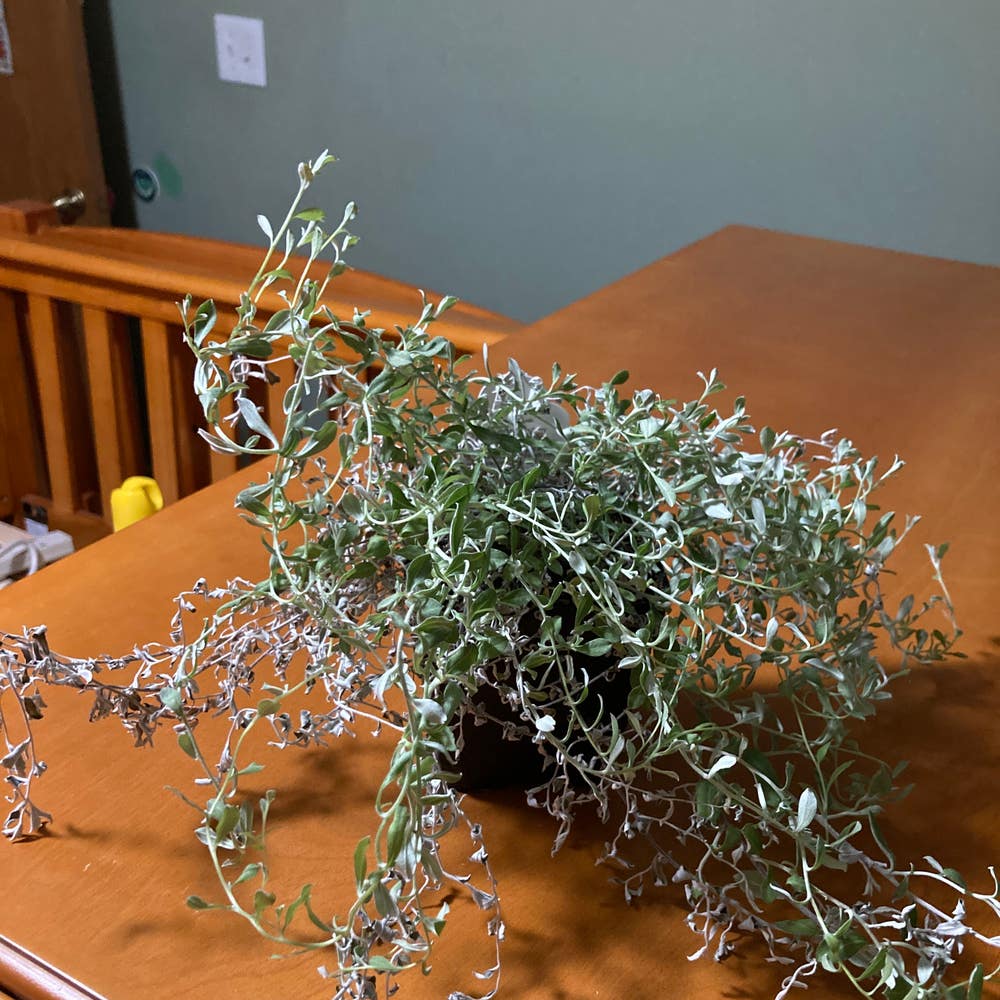
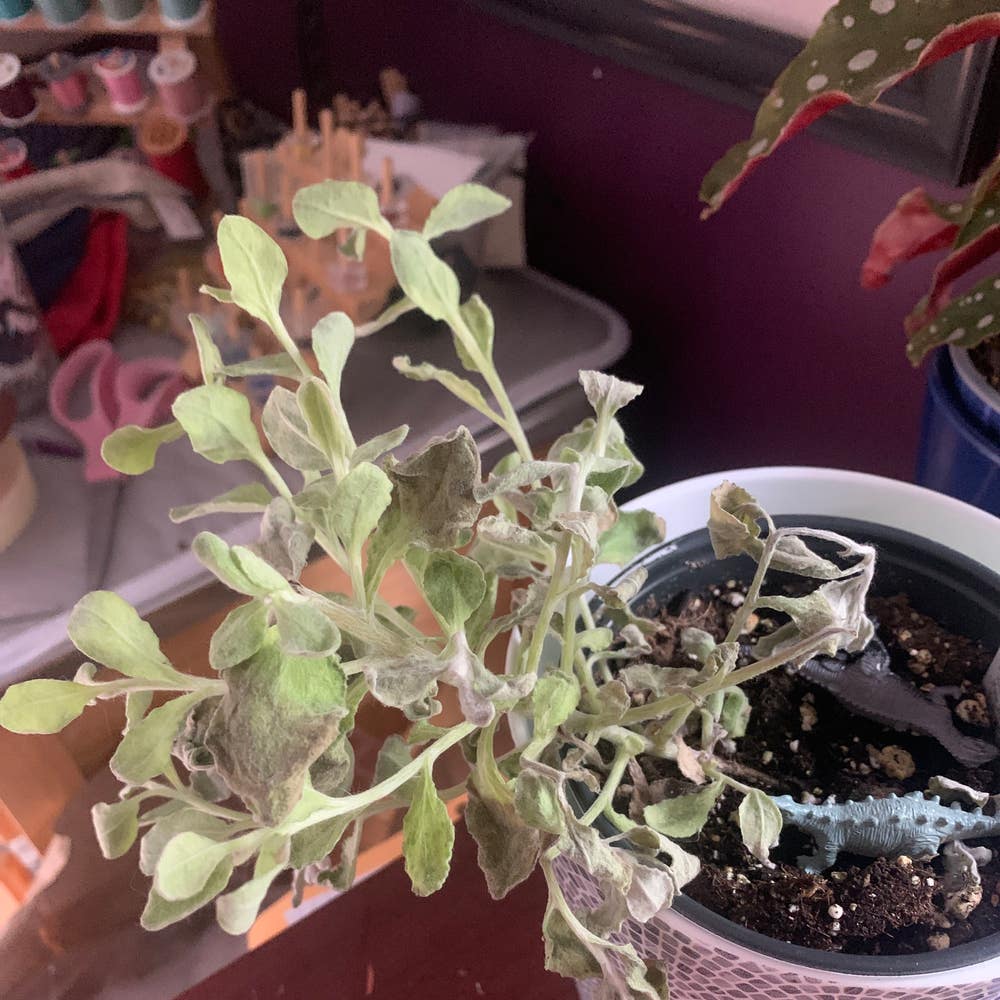
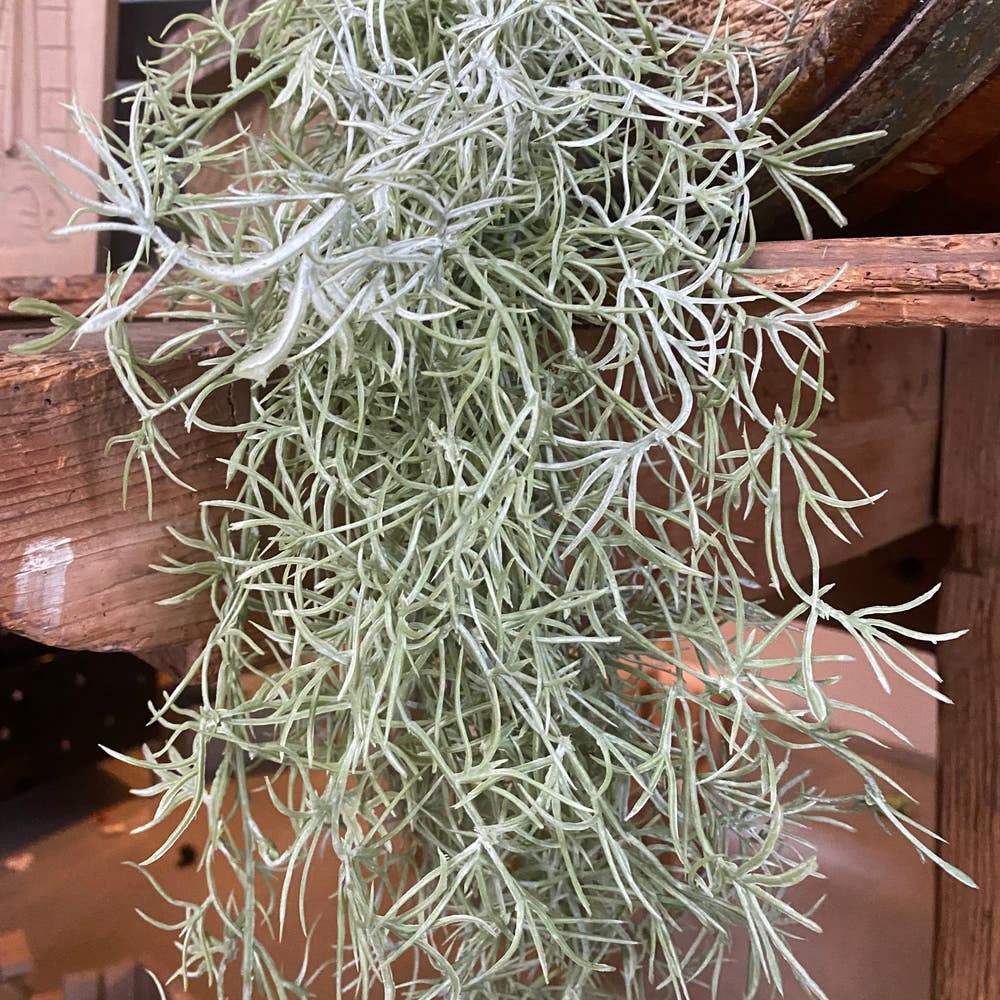
What It Means When Your Everlasting Wilts 😢
Helichrysum spp.
By the Greg Editorial Team
Oct 18, 2024•5 min read
This article was created with the help of AI so we can cover more plants for you. May contain errors. See one? Report it here.
- 💧 Wilting in Everlastings often signals water stress from overwatering or underwatering.
- 🌡️ Heat stress causes drooping leaves; provide shade and monitor humidity levels.
- 🌱 Check soil moisture regularly to prevent wilting and ensure proper watering habits.
Common Causes of Wilting Leaves
💧 Water Stress
Wilting leaves often signal water stress in your Everlasting. Look for drooping leaves, dry soil, and curling foliage as key symptoms.
Overwatering can lead to root rot, while underwatering causes dehydration. Both extremes can leave your plant looking sad and lifeless.
🌡️ Heat Stress
Heat stress is another culprit behind wilting. Symptoms include crispy leaf edges, browning, and an overall droopy appearance.
This condition arises from exposure to high temperatures without adequate hydration. Your Everlasting needs a little TLC during those scorching days.
🦠 Disease-Related Wilting
While disease-related wilting is rare in Everlasting plants, it can still happen. Symptoms to watch for include yellowing leaves and wilting, even when the plant is adequately watered.
Typically, this issue is linked to pathogens in poorly drained soils. However, Everlasting's natural drought tolerance makes pathogenic wilt unlikely.
Understanding these causes is crucial for effective plant care. Next, we'll dive into diagnosing wilting to help you pinpoint the issue accurately.
Diagnosing Wilting
Step-by-Step Guide 🌱
Assess Soil Moisture Levels
Start by checking the top inch of soil. If it feels dry, your plant may be underwatered; if it's soggy, overwatering could be the issue.Evaluate Environmental Conditions
Monitor the temperature and humidity around your plant. Sudden changes in light exposure can also stress your Everlasting.Inspect Leaves for Signs of Disease
Look closely at the leaves for any discoloration, spots, or unusual textures. These can indicate underlying health issues.Review Watering Habits
Take a moment to consider how often and how much you water. Adjusting your routine might be necessary to prevent further wilting.
Signs to Look for in Wilting Leaves 🍂
Leaf Color Changes
Watch for yellowing or browning leaves, which can signal distress.Leaf Texture
Feel the leaves; they should be firm. Soft and limp leaves indicate problems, while crispy and dry ones suggest dehydration.Soil Condition
Check the soil for dryness, cracks, or excessive wetness. These conditions can directly affect your plant's health.
By following these steps, you can effectively diagnose the cause of wilting in your Everlasting. Understanding these signs will empower you to take action and restore your plant's vitality. Next, let’s explore actionable solutions to address the wilting issues you've identified.
Solutions for Wilting
💧 Actionable Advice for Water Stress
Adjusting your watering schedule is crucial for reviving wilting Everlastings. Water only when the top inch of soil is dry to the touch.
Using a moisture meter can provide accuracy, ensuring you give your plant just the right amount of hydration.
☀️ Actionable Advice for Heat Stress
To combat heat stress, provide shade during peak sunlight hours. You can use shade cloth or simply relocate your plant to a cooler area.
Increasing humidity around the plant is also beneficial. Mist the leaves or use a humidity tray to create a more favorable environment.
🦠 Actionable Advice for Disease-Related Wilting
Improving drainage is essential if you suspect root rot. Repot your Everlasting in well-draining soil to promote healthier roots.
Additionally, remove any affected leaves. Pruning diseased foliage helps prevent the spread of potential issues and keeps your plant thriving.
These actionable solutions can significantly improve the health of your Everlasting. By addressing water stress, heat stress, and disease-related issues, you'll be well on your way to a flourishing plant.
Next, let’s explore preventive measures to minimize future wilting episodes.
Preventive Measures
Tips to Minimize Future Wilting Episodes 🌊
Establishing a consistent watering routine is crucial for your Everlasting. Set reminders to help you stick to a schedule that keeps your plant hydrated without overdoing it.
Regularly monitor environmental conditions as well. Seasonal changes can affect your plant's needs, so be ready to adjust your care accordingly.
Environmental Adjustments 🌬️
Position your Everlasting in a spot with adequate airflow. This helps prevent moisture buildup and reduces the risk of disease.
Using mulch can also be beneficial. A thin layer around the base of the plant retains soil moisture, providing a buffer against wilting.
By implementing these preventive measures, you can significantly reduce the chances of your Everlasting wilting in the future. Next, let’s explore effective solutions for reviving a wilted plant.
Reviving a Wilted Everlasting
🌊 Techniques for Bottom Watering
Bottom watering is a gentle way to revive your Everlasting.
- Place the pot in a shallow tray of water.
- Allow the plant to absorb moisture from the bottom for 30 minutes.
This method encourages the roots to reach down for water, promoting healthier growth.
🏡 Temporary Relocation Strategies
When temperatures soar, consider relocating your plant.
Move it to a shaded area or indoors during extreme heat.
Keep an eye on your Everlasting for signs of recovery, such as perked-up leaves and improved color.
✂️ Pruning Damaged Leaves
Pruning is essential for maintaining plant health.
- Use clean, sharp scissors to cut away wilted or damaged leaves.
- Dispose of cuttings to prevent disease spread.
This not only helps your plant recover but also encourages new growth.
Reviving your Everlasting can be a rewarding experience. With the right techniques, you can restore its vitality and enjoy its beauty once again. Next, let’s explore when it’s time to seek expert help for persistent issues.
When to Seek Help
Signs That Require Expert Assistance 🌱
If your Everlasting is wilting persistently, despite your best care efforts, it may be time to seek help. Look for signs of severe disease or pest infestation, such as unusual spots or a sudden increase in pests.
Resources for Assistance 🛠️
Don’t hesitate to reach out to local nurseries for expert advice. They can provide tailored solutions based on your specific situation.
Engaging with online plant care communities can also be beneficial. These platforms are filled with fellow plant enthusiasts who can share tips and experiences that might just save your Everlasting.
Recognizing when to ask for help can make all the difference in reviving your plant and ensuring its long-term health.
⚠️ Safety First
This content is for general information and may contain errors, omissions, or outdated details. It is not medical, veterinary advice, or an endorsement of therapeutic claims.
Always consult a qualified healthcare professional before using any plant as food, medicine, or supplement.
Never eat any plant (or feed one to pets) without confirming its identity with at least two trusted sources.
If you suspect poisoning, call Poison Control (800) 222-1222, the Pet Poison Helpline (800) 213-6680, or your local emergency service immediately.
Spotted an error? Please report it here.
Revive your wilting Everlasting with Greg's tailored watering alerts 🌿, ensuring you water just right and keep your plant thriving in any condition!