Top 4 Tips for Choosing Everlasting Soil 🥄
Helichrysum spp.
By the Greg Editorial Team
Oct 18, 2024•5 min read
This article was created with the help of AI so we can cover more plants for you. May contain errors. See one? Report it here.
- 🌱 Recognize unhealthy soil by checking for mold, drainage issues, and compaction.
- 🔍 Test soil pH easily with a meter or DIY methods for optimal plant health.
- 🏡 Create a custom soil mix using peat moss, perlite, and compost for better growth.
Identifying Unhealthy Soil
Signs of Unhealthy Soil 🌱
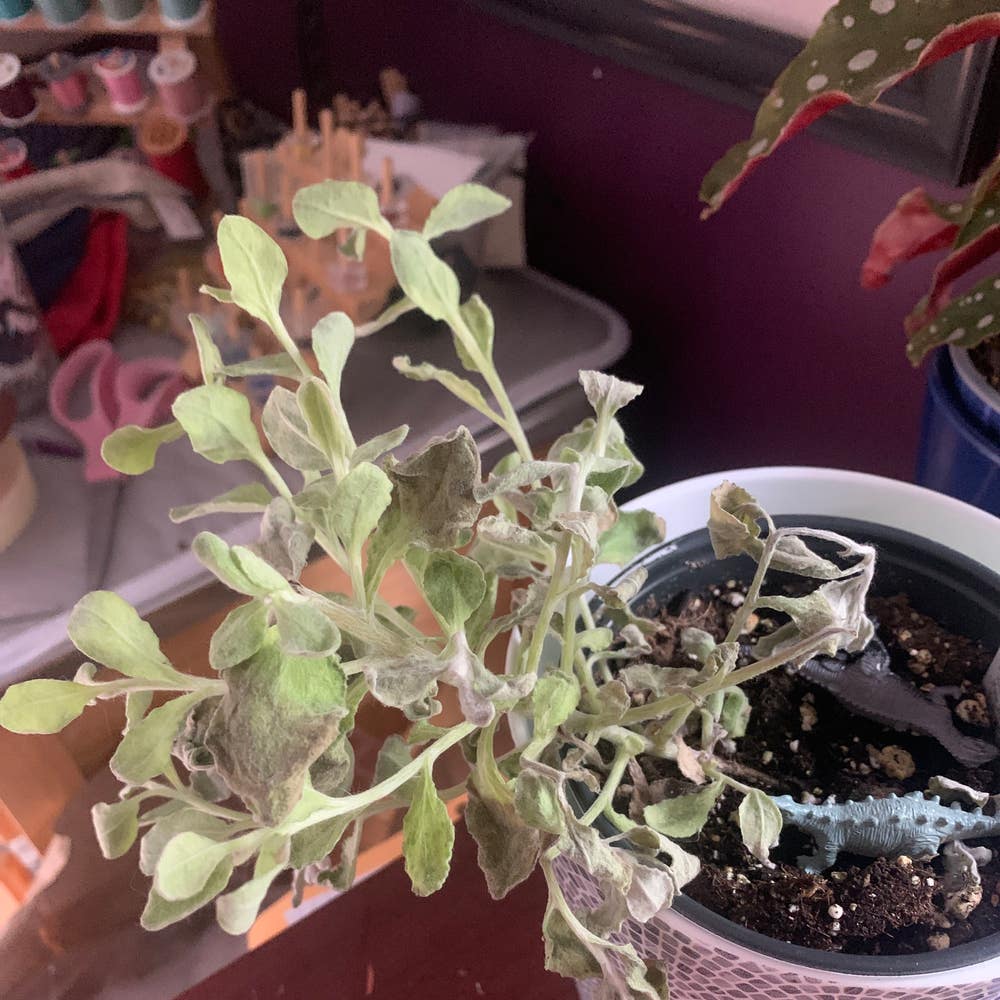
Recognizing unhealthy soil is crucial for nurturing your plants. Look for moldy soil, which appears as white or gray fungal growth on the surface, signaling potential issues.
Poor drainage is another red flag; if water pools on the surface or absorbs slowly, your soil may need attention. Lastly, compacted soil feels hard and dense, restricting root growth and limiting plant health.
How to Test Soil Health 🔍
Testing your soil health can be straightforward. Start with a visual inspection: check for mold, discoloration, and overall texture.
Next, perform a soil moisture test by squeezing a handful; it should crumble easily. For a more precise assessment, consider pH testing using a soil pH meter or test kit to get accurate readings.
Solutions for Unhealthy Soil 🛠️
Once you've identified unhealthy soil, it's time to take action. For mold treatment, remove the affected soil, enhance air circulation, and apply fungicide if necessary.
To improve drainage, incorporate perlite or sand into your soil mix. If you’re dealing with compacted soil, aerate it or replace it with a fresh mix to promote healthier root growth.
By addressing these issues, you set the stage for a thriving garden. Next, let’s explore the ideal soil pH for optimal plant health.
Ideal Soil pH
Recommended pH Range 🌱
Maintaining an optimal soil pH between 6.0 and 7.0 is crucial for healthy plant growth. This range ensures that essential nutrients are available to plants, promoting robust health and vibrant blooms.
How to Test Soil pH 🔬
To accurately measure soil pH, using a soil pH meter is the most reliable method. Follow these steps:
- Collect a soil sample: Dig down about 6 inches and gather a small amount.
- Mix with distilled water: Combine equal parts soil and water in a clean container.
- Insert the pH meter: Allow it to stabilize for a few moments to get a reading.
For a DIY approach, you can use vinegar and baking soda. Add a tablespoon of soil to a cup of vinegar; if it fizzes, your soil is alkaline. Conversely, mix soil with water and add baking soda; fizzing indicates acidity.
Adjusting Soil pH ⚖️
If your soil pH is outside the ideal range, adjustments are necessary.
- To lower pH: Incorporate sulfur or peat moss into the soil. These amendments help acidify the soil gradually.
- To raise pH: Add lime or wood ash. Both are effective in neutralizing acidity and increasing alkalinity.
Consider using commercial soil amendments designed for pH adjustment. They provide targeted solutions for specific soil conditions, making it easier to achieve the desired pH balance.
Understanding and managing soil pH is essential for creating a thriving garden. With the right tools and techniques, you can ensure your plants receive the nutrients they need to flourish.
Next, we’ll explore how to create a homemade soil mix that complements your pH adjustments perfectly.
Creating a Homemade Soil Mix ((difficulty:easy))
Essential Components 🌱
Creating a homemade soil mix is straightforward and rewarding. Start with base ingredients like peat moss, perlite, and compost, which provide excellent aeration and essential nutrients.
You can also enhance your mix with optional ingredients. Coconut coir helps retain moisture, while worm castings add an extra nutrient boost.
Step-by-Step Guide to Mixing Soil 🛠️
Follow these simple steps to create your soil mix:
- Gather materials: Collect peat moss, perlite, compost, and any optional ingredients.
- Mix in a large container: Combine 2 parts peat moss, 1 part perlite, and 1 part compost for a balanced mix.
- Adjust texture: If you need better drainage, add more perlite. For increased nutrients, incorporate additional compost.
Tips for Customizing Soil Mix ✨
Customization can make your soil mix even more effective. For plants like Helichrysum bracteatum, consider adding slightly more compost to meet their nutrient needs.
On the other hand, if you're working with Xerochrysum bracteatum, increase the perlite for enhanced drainage. Tailoring your mix ensures your plants thrive in the best environment possible.
With your homemade soil mix ready, you're one step closer to nurturing healthy plants. Next, let’s explore soil amendments to further enhance your garden's vitality.
Soil Amendments
Common Amendments and Their Benefits 🌱
Soil amendments play a crucial role in enhancing soil health.
Organic amendments like compost, well-rotted manure, and bone meal enrich the soil with nutrients, promoting robust plant growth.
On the other hand, synthetic amendments, such as chemical fertilizers, provide a quick nutrient boost, making them popular for immediate results.
When and How to Apply Amendments ⏰
Timing is essential for effective soil amendment application.
Apply amendments in early spring before planting or during the growing season to maximize their benefits.
For application methods, you can either mix the amendments into the top layer of soil or apply them as a top dressing, ensuring even distribution.
Organic vs. Synthetic Amendments ⚖️
Choosing between organic and synthetic amendments can be a game-changer for your garden.
Organic amendments improve soil structure and offer long-term nutrient release, fostering a healthier ecosystem.
Conversely, while synthetic options deliver quick results, they can lead to nutrient runoff, which might harm the environment.
Understanding these differences helps you make informed decisions for your soil health.
Next, let’s explore how to create a homemade soil mix that suits your gardening needs perfectly.
⚠️ Safety First
This content is for general information and may contain errors, omissions, or outdated details. It is not medical, veterinary advice, or an endorsement of therapeutic claims.
Always consult a qualified healthcare professional before using any plant as food, medicine, or supplement.
Never eat any plant (or feed one to pets) without confirming its identity with at least two trusted sources.
If you suspect poisoning, call Poison Control (800) 222-1222, the Pet Poison Helpline (800) 213-6680, or your local emergency service immediately.
Spotted an error? Please report it here.
Create a thriving garden 🌿 by mastering soil health with Greg's tailored pH testing reminders and custom soil mix tips that ensure your plants flourish!