🌸 10 Tips for Blooming Your Everlasting
Helichrysum spp.
By the Greg Editorial Team
Oct 18, 2024•5 min read
This article was created with the help of AI so we can cover more plants for you. May contain errors. See one? Report it here.
- 🌼 Everlasting plants bloom for 2-3 weeks, offering vibrant colors and unique textures.
- ☀️ Full sun and nutrient-rich soil are essential for encouraging blooming.
- 🌱 These resilient plants thrive even without flowers, providing lush greenery year-round.
Flowering Status
Clarification on Flower Production 🌼
Everlasting plants are indeed capable of producing flowers, and they do so with a unique structure that sets them apart. These flowers are not just pretty; they boast impressive longevity, making them a favorite among gardeners and floral enthusiasts alike.
However, it’s essential to note that some varieties of Everlasting may prioritize foliage over blooms. This focus on leaves can still create a lush, vibrant display, even if flowers are sparse. Understanding this distinction can help you choose the right variety for your garden goals.
In summary, while Everlasting does produce flowers, the emphasis on foliage in certain types can lead to a diverse range of visual appeal. This versatility makes them an excellent choice for various gardening styles and preferences.
As we delve deeper into the characteristics of these flowers, you'll discover more about their vibrant colors and unique structures.
If Everlasting Flowers
🌼 Flower Characteristics
Description of Colors and Structure
Everlasting flowers boast a vibrant palette, showcasing shades of yellow, pink, white, and purple. Their unique structure features a papery texture, often forming striking flower spikes that add visual interest to any garden.
Self-Pollination vs. External Pollination
These resilient plants are primarily self-pollinating, meaning they can fertilize their own flowers without needing outside help. However, external pollinators can still play a role, enhancing genetic diversity and overall health.
🌸 Blooming Process
Blooming Stages and Typical Bloom Time
The blooming process unfolds in stages: it starts with bud formation, followed by the initial bloom, and culminates in full bloom. Typically, you can expect this beautiful display from late spring to early summer.
Duration from Bud Formation to Full Bloom
From the moment buds appear, it generally takes about 4-6 weeks to reach full bloom. This gradual progression allows gardeners to anticipate the floral show.
Longevity of Flowers
Once in full bloom, everlasting flowers can last for about 2-3 weeks before they begin to fade. Their longevity makes them a favorite among flower enthusiasts.
🌱 Encouraging Blooms
Tips to Encourage Everlasting to Bloom
To encourage your everlasting flowers to bloom, ensure they receive full sun for at least 6 hours daily. Additionally, plant them in well-drained, nutrient-rich soil and practice regular deadheading to promote new blooms.
Factors Influencing Flowering
Several environmental factors can influence flowering, including temperature, humidity, and soil moisture. Balanced fertilization is also crucial for maintaining healthy blooms.
🌿 Post-Flowering
What Happens After the Flowering Period
After the flowering period, the plant may enter a phase of seed production or dormancy. This behavior allows it to conserve energy and prepare for the next growing season.
Does Everlasting Die After Flowering?
Rest assured, everlasting flowers do not die after blooming. They can continue to thrive and produce new growth, ensuring your garden remains lively.
🐝 Pollination
Description of Pollination Methods for Everlasting
Everlasting flowers primarily rely on self-pollination, which is efficient for their reproduction. However, encouraging cross-pollination can enhance genetic diversity, leading to healthier plants.
With a solid understanding of how everlasting flowers bloom and thrive, you're well-equipped to nurture these beauties in your garden. Next, let’s explore what happens if your everlasting doesn’t flower.
If Everlasting Doesn't Flower
🌿 Primary Ornamental or Functional Features
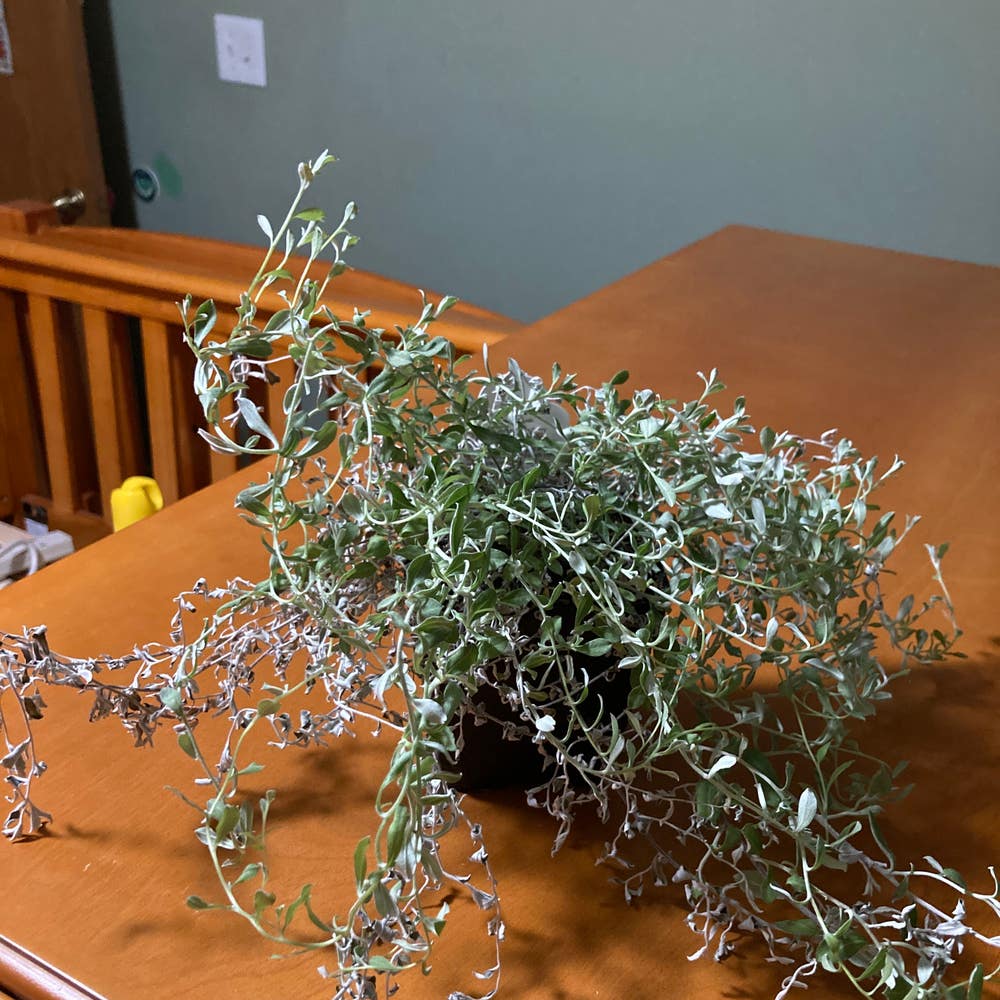
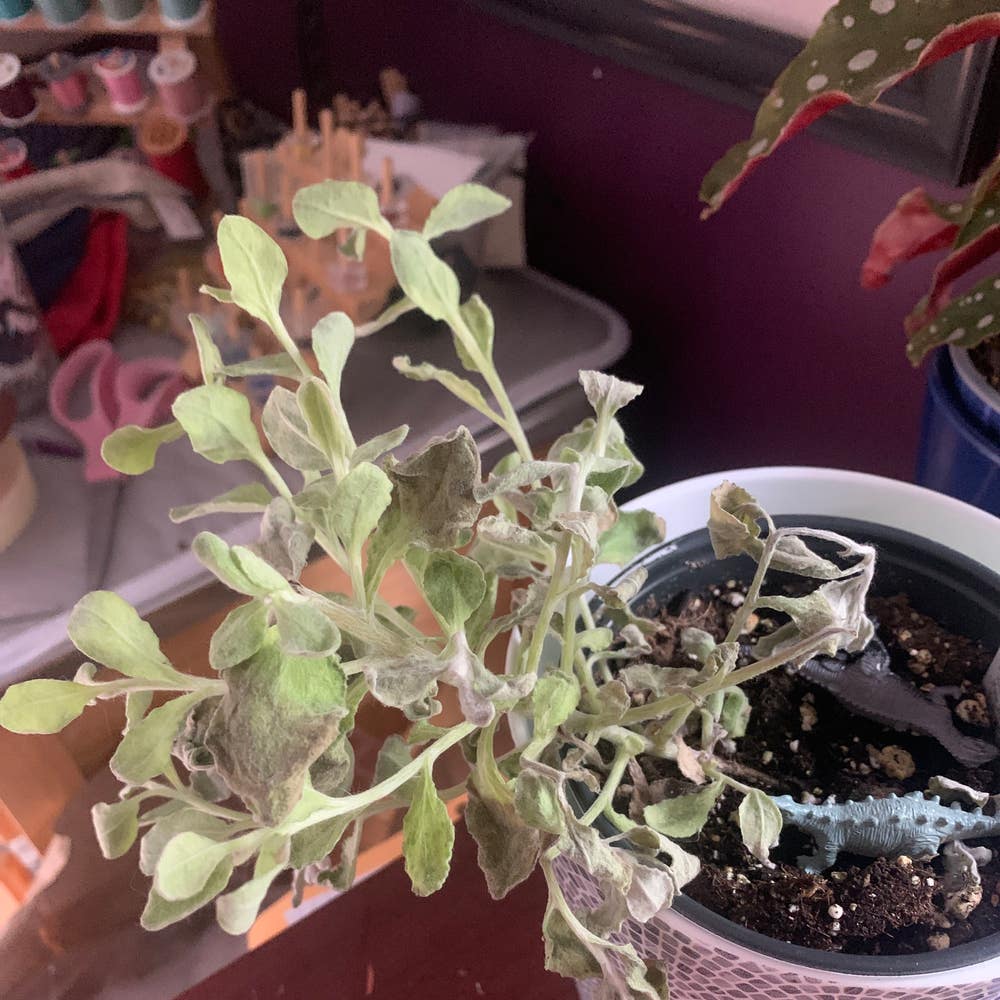
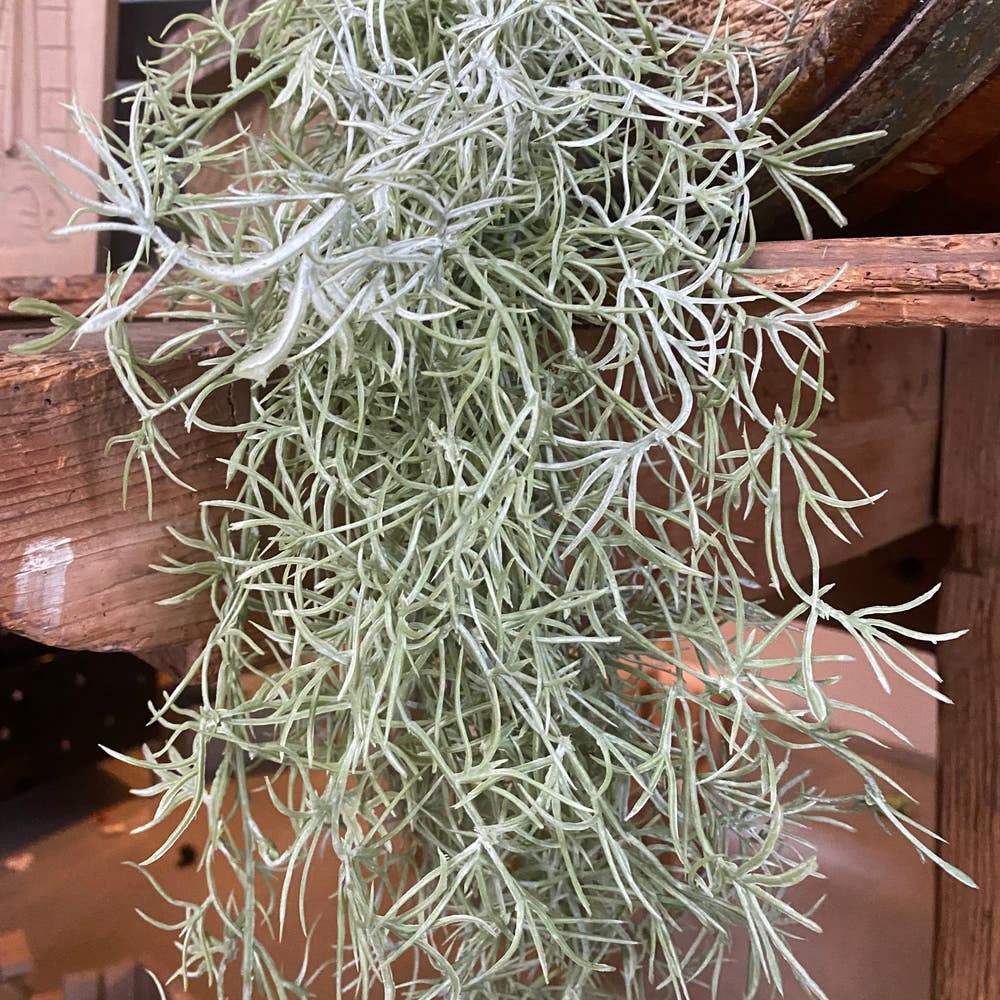
Even if your Everlasting doesn't bloom, it still shines with its vibrant green leaves and striking overall structure. The foliage can be a stunning addition to any garden, offering a lush backdrop that enhances other plants.
Additionally, Everlasting is prized for its use in dried flower arrangements. Its long-lasting nature means it retains color and shape, making it a favorite for crafting beautiful, enduring displays.
🌱 Reproduction Methods Without Flowers
When it comes to reproduction, Everlasting has some clever tricks up its sleeve. It can reproduce vegetatively through offsets and cuttings, allowing it to thrive even without flowers.
These methods are crucial for maintaining healthy plant populations. They ensure that the plant can continue to spread and flourish, even in less-than-ideal blooming conditions.
As we explore the unique aspects of Everlasting, you'll discover more about its fascinating characteristics and reproductive strategies.
Unique Aspects
Unusual Characteristics Related to Flowering or Non-Flowering Nature 🌼
Everlasting plants are remarkable for their ability to retain color and shape even after drying. This unique characteristic makes them a favorite for dried flower arrangements, allowing their beauty to last long after the blooming period.
Different species of Everlasting exhibit a variety of features, from distinct colors to unique textures. These variations contribute to their appeal in gardens and floral displays, showcasing nature's diversity.
Interesting Facts or Trivia About Everlasting's Reproductive Strategy 📚
Historically, Everlasting plants have been used in traditional medicine, valued for their healing properties. This cultural significance highlights their role beyond mere aesthetics.
The relationship between flowering and the plant's life cycle is fascinating. Everlasting plants can thrive without flowering, using vegetative reproduction to sustain their populations and adapt to their environment. This resilience speaks to their survival strategies in various conditions.
As we explore the complexities of these plants, we uncover not just their beauty but also their vital role in ecosystems and human culture.
⚠️ Safety First
This content is for general information and may contain errors, omissions, or outdated details. It is not medical, veterinary advice, or an endorsement of therapeutic claims.
Always consult a qualified healthcare professional before using any plant as food, medicine, or supplement.
Never eat any plant (or feed one to pets) without confirming its identity with at least two trusted sources.
If you suspect poisoning, call Poison Control (800) 222-1222, the Pet Poison Helpline (800) 213-6680, or your local emergency service immediately.
Spotted an error? Please report it here.
Unlock the vibrant blooms of your Everlasting plants 🌼 with Greg's tailored care tips and watering reminders, ensuring your garden thrives beautifully all season long!