❄️ 3 Winter Care Mistakes to Avoid with Everlasting
Helichrysum spp.
By the Greg Editorial Team
Oct 18, 2024•4 min read
This article was created with the help of AI so we can cover more plants for you. May contain errors. See one? Report it here.
- ❄️ Protect Everlasting plants from frost using cloths or mulch for insulation.
- 🌱 Adjust winter watering to prevent root rot; check soil moisture regularly.
- 🌞 Ensure indoor plants get 6-8 hours of indirect sunlight for healthy growth.
Frost Protection
Methods to Protect from Frost ❄️
Frost can be a sneaky adversary for your Everlasting plants. To shield them effectively, consider using frost cloths or burlap as protective covers.
Mulching is another simple yet effective method. By applying a layer of mulch around the base, you insulate the roots and help retain warmth.
Strategic placement is key as well. Position your plants in sheltered areas to minimize their exposure to harsh frost conditions.
Signs of Frost Damage ⚠️
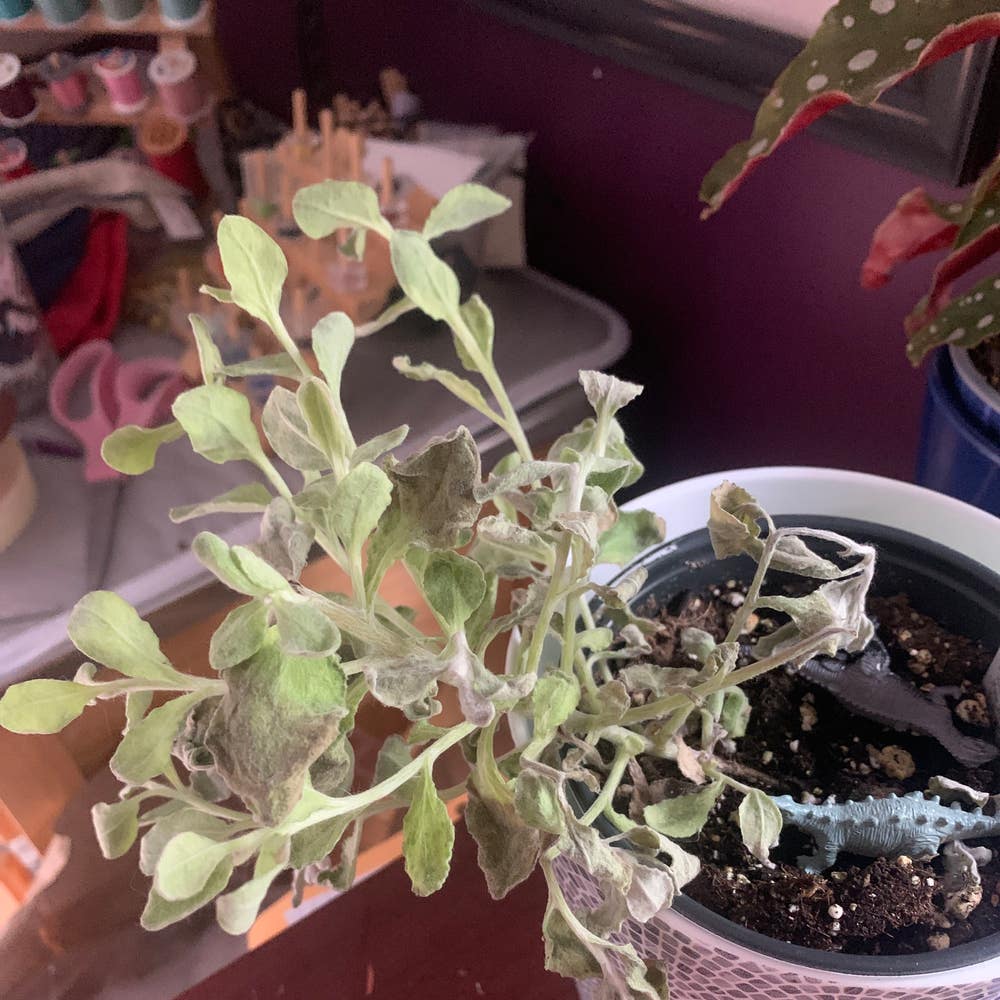
Recognizing frost damage early can save your plants. Look for leaf discoloration, such as yellowing or browning, which signals stress.
Wilting or drooping leaves are also telltale signs of frost exposure. If you notice these symptoms, it’s time to assess the situation.
Don’t forget to check the roots, too. Mushy or blackened roots indicate severe frost impact and may require immediate attention.
Understanding these signs will help you act quickly and protect your Everlasting plants from further harm.
Next, let’s explore how to adjust your watering and fertilizing practices during the winter months.
Watering and Fertilizing Adjustments
🌨️ Adjusting Watering Schedule in Winter
During winter, it's crucial to adjust your watering routine for Everlasting plants. Watering less frequently helps prevent overwatering, which can lead to root rot during their dormant phase.
Always check the soil moisture before watering. If the top inch feels dry, it’s time to give your plants a drink.
Recognizing signs of adequate moisture is key. Look for a healthy, firm plant; if it starts wilting, that’s your cue to water.
❄️ Fertilizing Needs During Winter Dormancy
When it comes to fertilizing in winter, less is more. Opt for low-nitrogen fertilizers or skip fertilization altogether while your plants are dormant.
Timing is everything. Hold off on any fertilization until you see signs of spring growth, as this is when your Everlasting will benefit most.
Understanding nutrient conservation is vital. During dormancy, plants naturally uptake fewer nutrients, so it's best to let them rest and recharge.
By following these watering and fertilizing adjustments, you’ll set your Everlasting up for a vibrant spring. Next, let’s explore how to care for your plants indoors during the colder months.
Indoor Winter Care
When to Bring Indoors 🌡️
To keep your Everlasting thriving, monitor the temperature closely. Ideally, bring them indoors when temperatures drop below 10°C (50°F).
Watch for sudden temperature drops or prolonged frost warnings. These signs indicate it's time to protect your plants from harsh winter conditions.
Indoor Care Tips 🏠
Ensuring your Everlasting gets enough light indoors is crucial. Aim for 6-8 hours of indirect sunlight daily to keep them healthy.
Humidity is another key factor. Maintaining adequate humidity levels prevents your plants from drying out in the heated indoor air.
Watering adjustments are essential during winter. Monitor soil moisture closely, as indoor conditions can dry out the soil faster than expected.
By following these indoor care tips, you can help your Everlasting flourish even during the cold months. This preparation sets the stage for a vibrant spring growth.
Spring Preparation and Recovery
🌨️ Signs of Winter Damage and Recovery Strategies
As winter fades, it's crucial to assess your Everlasting plants for any signs of damage. Look for dead or severely damaged foliage, which can indicate that your plants have struggled through the cold months.
Pruning is essential for recovery. Trim back any dead or unhealthy areas to encourage new growth. This not only revitalizes the plant but also helps it focus its energy on healthier parts.
Understanding the recovery timeline is also important. Depending on the severity of the damage, it may take several weeks for your Everlasting to bounce back fully. Patience is key during this rejuvenation period.
🌱 Preparing for Spring Growth
Soil preparation is your next step. Adding compost or organic matter can significantly enhance soil quality, providing essential nutrients for your plants.
Timing is everything when it comes to fertilization. Wait until the risk of frost has passed before reintroducing fertilizers to ensure optimal growth.
Lastly, keep a close eye on new shoots and overall plant health as spring approaches. Monitoring growth will help you catch any issues early, ensuring your Everlasting thrives in the warmer months ahead.
With these strategies in place, you're well on your way to a vibrant spring garden!
⚠️ Safety First
This content is for general information and may contain errors, omissions, or outdated details. It is not medical, veterinary advice, or an endorsement of therapeutic claims.
Always consult a qualified healthcare professional before using any plant as food, medicine, or supplement.
Never eat any plant (or feed one to pets) without confirming its identity with at least two trusted sources.
If you suspect poisoning, call Poison Control (800) 222-1222, the Pet Poison Helpline (800) 213-6680, or your local emergency service immediately.
Spotted an error? Please report it here.
Keep your Everlasting plants frost-free ❄️ and thriving this winter with Greg's tailored reminders and care tips to ensure a vibrant spring garden!