💧 How to Cure Leaves Falling Over on Your Everlasting
Helichrysum spp.
By the Greg Editorial Team
Oct 18, 2024•5 min read
This article was created with the help of AI so we can cover more plants for you. May contain errors. See one? Report it here.
- 💧 Proper watering techniques prevent leaf drop in everlasting plants.
- 🌞 Full sun exposure (6-8 hours) is crucial for healthy growth and leaf retention.
- 🌱 Monitor soil moisture with a meter to avoid overwatering and root rot.
Preventing Leaf Drop
Proper Watering Techniques 🌊
Watering your everlasting plant correctly is crucial for preventing leaf drop. Allow the soil to dry out between waterings; this encourages healthy root growth.
Deep watering is essential. It helps roots reach deeper into the soil, making your plant more resilient.
To monitor soil moisture, consider using a moisture meter or simply test with your finger. This ensures you're not over or under-watering.
Ideal Soil Conditions 🌱
The right soil type is vital for your plant's health. Aim for well-draining sandy or loamy soil to prevent waterlogging.
A slightly acidic to neutral pH (between 6.0 and 7.0) is ideal. You can improve drainage by adding perlite or sand to your soil mix.
Light Requirements and Placement ☀️
Your everlasting needs full sun exposure, ideally 6-8 hours daily. This light is crucial for preventing leaf drop and promoting vibrant growth.
Placement matters too. Avoid shaded areas and consider moving pots seasonally to ensure optimal light access.
Fertilization Schedule and Types 🌼
Fertilizing every 4-6 weeks during the growing season keeps your plant nourished. Use balanced NPK or slow-release fertilizers for best results.
Watch for signs of nutrient deficiency, like yellowing leaves or stunted growth. These indicators can help you adjust your care routine promptly.
By following these preventive measures, you'll create a thriving environment for your everlasting. Next, we’ll explore how to treat leaf drop effectively.
Treating Leaf Drop
🌊 Step-by-Step Guide to Adjusting Watering Practices
Assess Current Watering Schedule: Start by evaluating how often and how much you water your everlasting plant. This will help you identify any inconsistencies in your routine.
Test Soil Moisture: Use a moisture meter or your finger to check the soil's moisture level. This simple test will guide your next steps.
Adjust Watering Frequency: Water your plant only when the top inch of soil feels dry. This prevents overwatering, which is a common cause of leaf drop.
🪴 How to Amend Soil for Better Drainage
Identify Soil Type: Check if your soil is compacted or heavy. This can hinder drainage and lead to root issues.
Mix in Amendments: Incorporate perlite or coarse sand into the soil. This improves drainage and promotes healthier root growth.
Replant if Necessary: If the roots are damaged during this process, consider replanting. Ensure the roots are well-spread and not cramped.
🐛 Pest Control Methods
Organic Options: Use neem oil or insecticidal soap to tackle pests without harsh chemicals. These options are effective and environmentally friendly.
Physical Removal: Handpick pests or spray them off with a strong water jet. Regular checks can help keep infestations at bay.
Monitoring: Keep an eye on your plants for signs of reinfestation. Early detection is key to maintaining plant health.
🌡️ Adjusting Environmental Conditions
Temperature Adjustments
Ideal Indoor Temperatures: Maintain a stable temperature range indoors. This helps your plant thrive without stress.
Outdoor Placement: Protect your plant from extreme heat or cold. A sheltered spot can make all the difference.
Humidity Control
Increasing Humidity: Use a pebble tray or a humidifier to boost humidity levels. This is especially beneficial in dry environments.
Signs of Improved Conditions: Look for healthier leaf appearance and growth. Your plant will thank you for the extra care.
By following these steps, you can effectively treat leaf drop and ensure your everlasting plant remains vibrant and healthy. Next, let’s explore how to monitor and maintain your plant for long-term success.
Monitoring and Maintenance
Regular Checks for Leaf Health 🌿
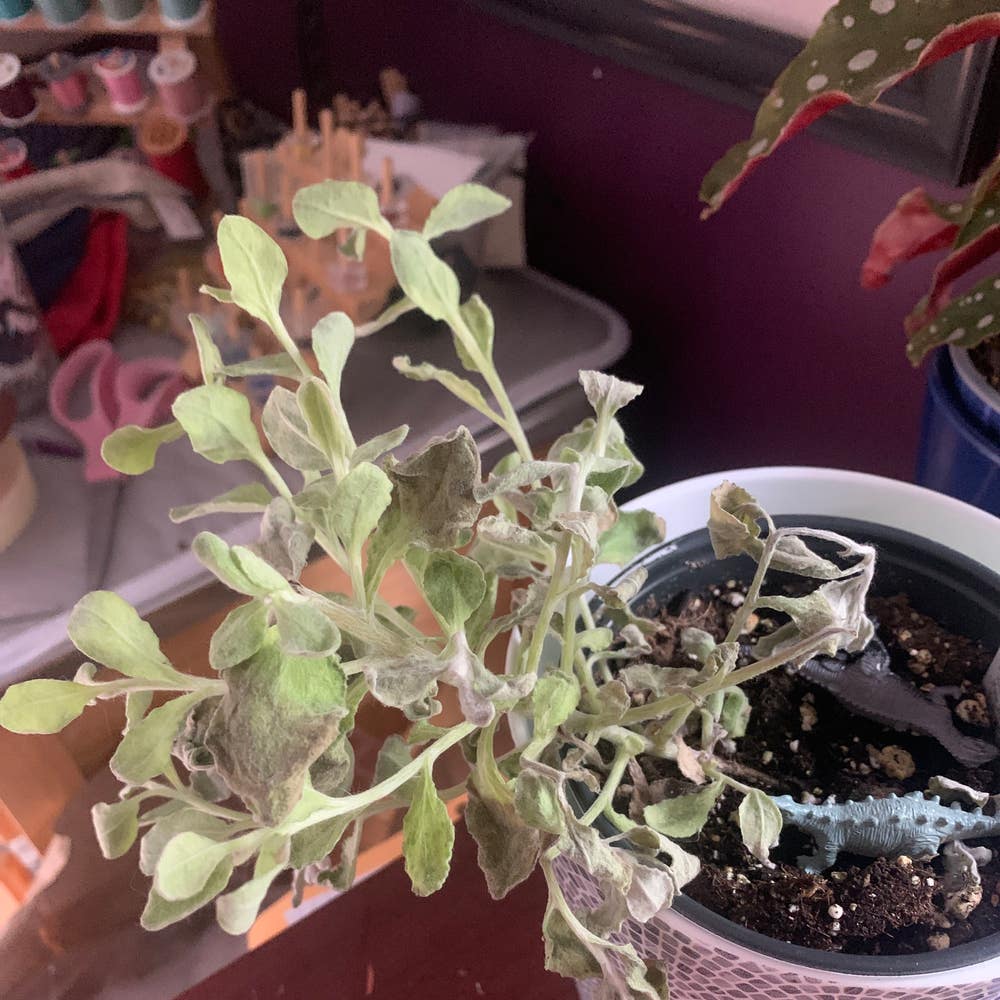
To keep your everlasting plant thriving, conduct weekly inspections. Look for signs of discoloration or drooping leaves, which can indicate underlying issues.
Documenting changes in a care journal can be incredibly helpful. Tracking your plant's health over time allows you to identify patterns and make informed adjustments.
Seasonal Care Adjustments 🍂
As seasons change, so should your care routine. Adjust your watering and fertilization based on the plant's growth patterns to ensure it gets what it needs.
Preparing for dormancy is equally important. During non-growing seasons, reduce care to prevent stress on your plant.
Tools for Monitoring Soil Moisture 🔍
Using the right tools can make a significant difference in plant health. Moisture meters and soil probes are excellent for accurately assessing soil moisture levels.
For a quick check, the finger test is a simple DIY method. Just insert your finger into the soil to gauge its moisture content—easy and effective!
By staying vigilant and adjusting your care routine, you can ensure your everlasting plant remains healthy and vibrant. Next, let’s explore common misconceptions that might be affecting your plant care approach.
Common Misconceptions
🌊 Myths About Care
Many plant owners struggle with the balance of watering. A common myth is that more water equals healthier plants, but overwatering can lead to root rot and leaf drop.
Another misconception revolves around sunlight. Some believe that any amount of sunlight is sufficient, but most plants, including your everlasting, thrive in full sun—6 to 8 hours daily.
💡 Clarifying the Role of Light in Leaf Health
Adequate light is crucial for preventing leaf drop and promoting robust growth. Insufficient light can stress your plant, leading to drooping leaves and poor health.
As seasons change, so should your plant's light exposure. Moving your pots to ensure they receive optimal sunlight can make a significant difference in their vitality.
🌱 Natural Growth Cycle
Understanding your plant's growth patterns is essential. Recognizing when your plant is in dormancy versus active growth can help you adjust care accordingly.
Leaf drop can be a natural part of this cycle. Differentiating between healthy leaf loss and signs of distress is key to maintaining a thriving everlasting.
By addressing these misconceptions, you can foster a healthier environment for your plants. Next, we’ll explore effective monitoring and maintenance strategies to keep your everlasting in top shape.
⚠️ Safety First
This content is for general information and may contain errors, omissions, or outdated details. It is not medical, veterinary advice, or an endorsement of therapeutic claims.
Always consult a qualified healthcare professional before using any plant as food, medicine, or supplement.
Never eat any plant (or feed one to pets) without confirming its identity with at least two trusted sources.
If you suspect poisoning, call Poison Control (800) 222-1222, the Pet Poison Helpline (800) 213-6680, or your local emergency service immediately.
Spotted an error? Please report it here.
Keep your everlasting vibrant 🌱 by mastering watering and light conditions, and let Greg's personalized care reminders guide you to success!