💧 Step-by-Step Guide to Treating Root Rot in Everlasting
Helichrysum spp.
By the Greg Editorial Team
Oct 18, 2024•5 min read
This article was created with the help of AI so we can cover more plants for you. May contain errors. See one? Report it here.
- 🌱 Identify root rot symptoms early: Look for yellowing leaves and mushy roots.
- 🧪 Use a moisture meter to prevent overwatering and root rot in your plants.
- 🌿 Choose well-draining soil and pots with drainage holes to combat root rot.
Identifying Root Rot Symptoms
👀 Visual Signs
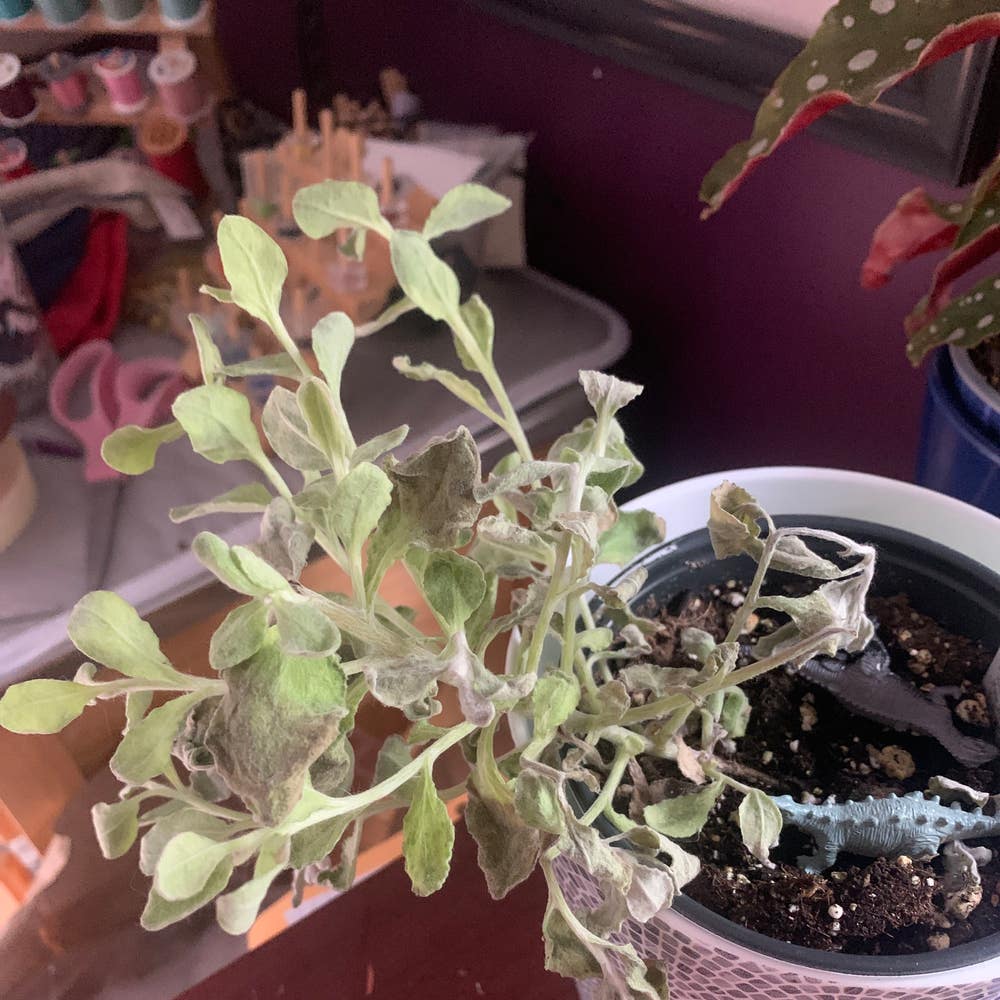
Recognizing root rot starts with observing your plant. Yellowing leaves are often the first indicator, signaling stress and potential root issues.
Another key symptom is wilting despite adequate watering. This can be perplexing, but it’s a classic sign that something is wrong beneath the surface.
Lastly, when inspecting the roots, look for dark, mushy roots. These are clear signs of decay and should raise immediate concern.
🔍 How to Check Root Health
To assess root health, follow these simple steps:
- Remove the plant from its pot carefully. This minimizes further stress on the roots.
- Inspect the roots for color and texture. Healthy roots should be firm and white or light tan.
- Look for signs of rot. If you see mushy, brown, or black roots, it’s time to take action.
🆚 Distinguishing Root Rot from Other Issues
It’s crucial to differentiate root rot from other plant problems. Start by comparing symptoms: root rot often mimics nutrient deficiencies, so check for other signs like stunted growth or discoloration.
Next, identify pest damage. Some pests can cause symptoms that look like root rot, so inspect the leaves and stems for any unwanted guests.
Finally, consider the importance of soil moisture testing. Using a moisture meter can provide an accurate diagnosis, helping you determine if overwatering is the culprit.
By understanding these symptoms and checking root health, you can effectively tackle root rot before it becomes a bigger issue. Next, we’ll explore how to treat root rot effectively.
Treating Root Rot
Step-by-Step Treatment Process 🌱
Treating root rot requires careful attention to detail. Start by removing the plant from its pot and inspecting the roots for any signs of decay.
Next, trim away all affected roots using sterilized scissors. This step is crucial to prevent the spread of rot.
After trimming, rinse the healthy roots gently to remove any remaining soil. This helps ensure that no pathogens linger.
Finally, allow the roots to dry for a few hours before repotting. This drying period is essential for promoting healthy root growth.
Recommended Treatments 💊
When it comes to fungicides, there are two main types to consider: systemic and contact fungicides. Systemic fungicides work from within the plant, while contact fungicides act on the surface.
For those looking for natural treatments, cinnamon and neem oil are excellent alternatives. Both have antifungal properties that can help combat root rot effectively.
How to Repot an Affected Plant 🪴
Choosing the right pot is vital for your plant's recovery. Ensure it has drainage holes to prevent future waterlogging.
Next, use the best soil for repotting—a well-draining sandy soil mix is ideal. This will provide the necessary aeration and drainage.
When repotting, do so carefully, ensuring the roots are spread out and not crowded. This will give your plant the best chance to thrive after treatment.
With these steps, you're well on your way to reviving your plant from root rot. Now, let's explore how to prevent this issue from arising in the first place.
Preventing Root Rot
🌊 Best Practices for Watering
Watering your everlasting plants correctly is crucial to preventing root rot. Allow the soil to dry out between waterings; this helps maintain a healthy moisture balance.
Look for signs of overwatering, such as yellowing leaves or a soggy pot. Adjust your watering habits accordingly to keep your plants thriving.
🏺 Importance of Soil Drainage and Aeration
Choosing the right soil mix can make all the difference. Opt for components that enhance drainage, like a blend of potting soil and sand.
To improve soil aeration, consider adding perlite or sand. These materials help create air pockets, allowing roots to breathe and reducing the risk of rot.
🌱 Choosing the Right Pot
The material of your pot matters more than you might think. Terracotta pots are great for moisture control, while plastic pots retain more water.
Size is also key; ensure your pot has enough space for root growth without holding excess moisture. A well-chosen pot can significantly reduce the likelihood of root rot.
By following these preventive measures, you can create a healthy environment for your everlasting plants. This sets the stage for successful growth and minimizes the risk of root rot in the future.
Post-Treatment Care
Monitoring Recovery 🌱
After treating root rot, it's crucial to keep a close eye on your plant. Regular checks will help you observe new growth and assess overall health.
Adjust your care routines based on how your plant responds. If you notice signs of recovery, you can gradually return to a normal watering schedule.
Signs of Improvement After Treatment 🌿
Look for new leaf growth as a clear indication of successful recovery. This is a positive sign that your plant is bouncing back.
Additionally, during repotting, check for firm, healthy roots. This reassures you that the plant is regaining strength.
Long-Term Care Strategies 🗓️
Establishing a consistent watering schedule is vital. Consider using reminders to help you stick to it.
Regular soil checks are also important. Ensure proper drainage and aeration to prevent future issues.
Finally, be mindful of seasonal adjustments. Modifying care based on environmental changes will support your plant's long-term health.
By following these steps, you can help your plant thrive after overcoming root rot. With attentive care, your everlasting will flourish beautifully.
⚠️ Safety First
This content is for general information and may contain errors, omissions, or outdated details. It is not medical, veterinary advice, or an endorsement of therapeutic claims.
Always consult a qualified healthcare professional before using any plant as food, medicine, or supplement.
Never eat any plant (or feed one to pets) without confirming its identity with at least two trusted sources.
If you suspect poisoning, call Poison Control (800) 222-1222, the Pet Poison Helpline (800) 213-6680, or your local emergency service immediately.
Spotted an error? Please report it here.
Treating root rot in your everlasting plant can lead to a vibrant recovery, and with Greg's custom watering alerts 💧 and moisture monitoring, you'll be set up for long-term success in keeping your plants healthy!