⚫ Managing Black Spots on Your Everlasting Leaves
Helichrysum spp.
By the Greg Editorial Team
Oct 18, 2024•4 min read
This article was created with the help of AI so we can cover more plants for you. May contain errors. See one? Report it here.
- 🌱 Identify black spots to treat Everlasting leaves effectively and prevent further damage.
- 🦠 Fungal and bacterial infections cause distinct symptoms; know the differences for proper care.
- 🌬️ Improve air circulation and maintain soil moisture to reduce black spot risks.
Diagnosing Black Spots
🦠 Differentiating Between Fungal and Bacterial Infections
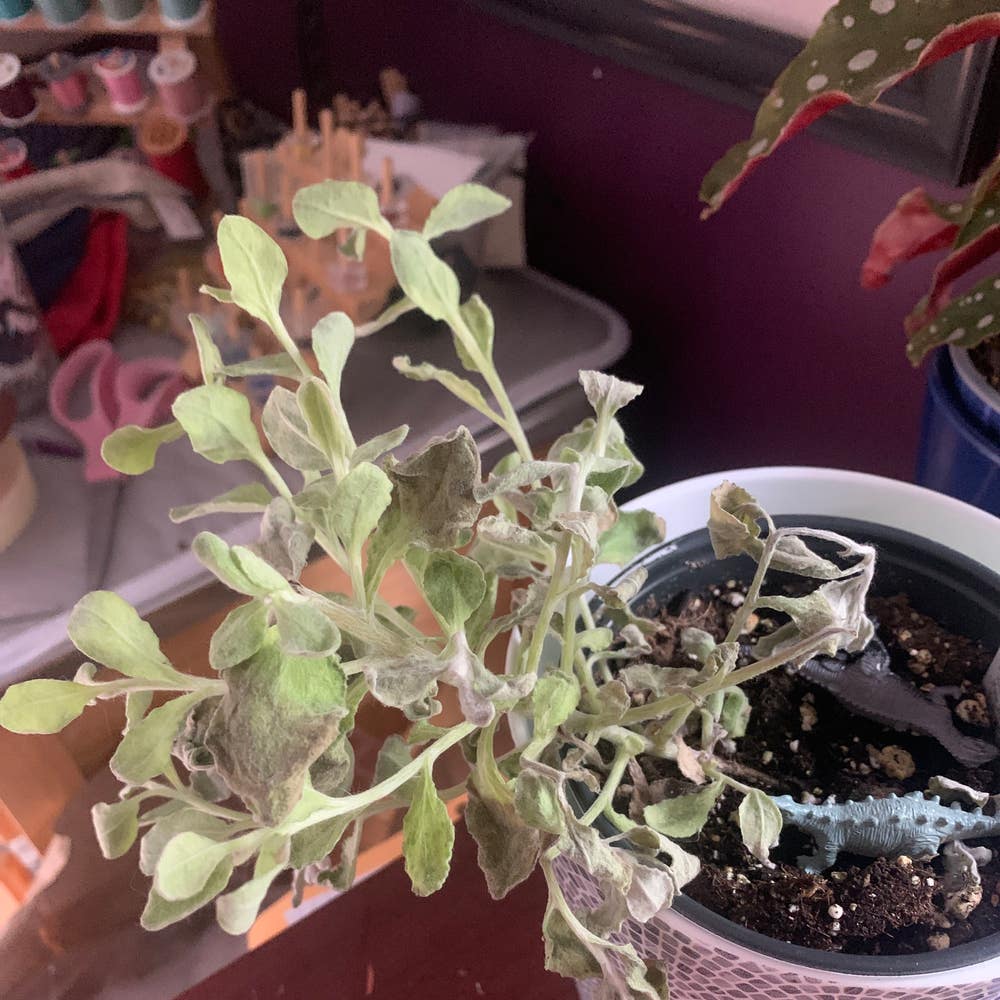
Identifying the cause of black spots on your Everlasting leaves is crucial. Fungal infections typically present as dark, irregular spots surrounded by yellow halos, signaling distress.
In contrast, bacterial infections manifest as water-soaked lesions that may ooze, indicating a more severe issue. Recognizing these differences can guide your treatment approach effectively.
🐛 Identifying Pest-Related Issues
Pests can wreak havoc on your Everlasting leaves. Common culprits include aphids and spider mites, which can significantly impact leaf health.
Look for signs of infestation, such as distorted leaves, webbing, and sticky residue. These indicators can help you catch problems early and take action.
💧 Assessing Soil and Watering Conditions
Soil moisture plays a vital role in the health of your Everlasting plants. Aim for ideal moisture levels, as overwatering can lead to root rot and exacerbate black spots.
Adjust your watering frequency to maintain optimal soil conditions. Allow the soil to dry out between waterings to promote healthy growth and prevent disease.
By diagnosing these issues early, you can take proactive steps to protect your Everlasting leaves and ensure they thrive. Next, we’ll explore effective treatment options for managing black spots.
Treating Black Spots
Step-by-Step Treatment Options 🌱
Remove Affected Leaves: Start by pruning any leaves showing black spots. This helps prevent the spread of disease to healthy parts of the plant.
Improve Air Circulation: Ensure your plants are spaced adequately. Good airflow can significantly reduce the risk of fungal infections.
Adjust Watering Practices: Allow the soil to dry between waterings. This simple change can help prevent conditions that favor black spots.
Recommended Organic Fungicides 🍃
Neem Oil: This natural fungicide is effective against various plant diseases. Apply it every 7-14 days, ensuring you cover both the tops and undersides of the leaves.
Baking Soda Solution: Mix one tablespoon of baking soda with a gallon of water. Spray this solution on affected areas every couple of weeks to help combat fungal issues.
Home Remedies for Black Spots 🧄
Milk Spray: Combine one part milk with two parts water. Spray this mixture on the leaves weekly; it can help reduce fungal growth.
Garlic or Chili Pepper Spray: Blend garlic or chili peppers with water, strain, and spray on the leaves. This remedy not only deters pests but can also help with black spots.
By implementing these treatment options, you can effectively manage black spots on your Everlasting leaves. Next, let’s explore how to prevent these issues from arising in the first place.
Preventing Black Spots
🌊 Best Practices for Watering and Drainage
Watering techniques play a crucial role in preventing black spots on your Everlasting leaves. Opt for deep watering to encourage root growth, rather than surface watering, which can lead to shallow roots and increased susceptibility to disease.
Incorporating soil amendments like perlite or sand can significantly improve drainage. This ensures that excess water doesn't linger, reducing the risk of fungal infections that thrive in overly moist conditions.
☀️ Importance of Sunlight and Air Circulation
Everlasting plants thrive in full sun, requiring 6-8 hours of direct sunlight daily. Adequate sunlight not only promotes healthy growth but also helps in preventing diseases that flourish in shaded, damp environments.
Air circulation is equally vital. Proper spacing between plants and regular pruning can enhance airflow, minimizing humidity around the leaves and reducing the likelihood of black spots.
🔍 Regular Maintenance and Inspection
Routine checks are essential for catching early signs of disease. Regularly inspect your Everlasting plants for any unusual spots or discoloration, as early detection can make a significant difference in treatment success.
Cleaning your gardening tools is another preventive measure. Sterilizing tools helps prevent the spread of diseases, ensuring that your plants remain healthy and vibrant.
By implementing these preventive strategies, you can maintain the health of your Everlasting leaves and enjoy their beauty without the worry of black spots. Next, let’s explore effective treatment options if you do encounter these pesky issues.
⚠️ Safety First
This content is for general information and may contain errors, omissions, or outdated details. It is not medical, veterinary advice, or an endorsement of therapeutic claims.
Always consult a qualified healthcare professional before using any plant as food, medicine, or supplement.
Never eat any plant (or feed one to pets) without confirming its identity with at least two trusted sources.
If you suspect poisoning, call Poison Control (800) 222-1222, the Pet Poison Helpline (800) 213-6680, or your local emergency service immediately.
Spotted an error? Please report it here.
Combat those pesky black spots on your Everlasting leaves with Greg's tailored care reminders 🌱 that help you identify issues and keep your plants flourishing!