☀️ Ultimate Guide to Direct Sunlight for Everlasting
Helichrysum spp.
By the Greg Editorial Team
Oct 18, 2024•4 min read
This article was created with the help of AI so we can cover more plants for you. May contain errors. See one? Report it here.
- ☀️ Everlasting plants need at least 6 hours of direct sunlight daily for optimal growth.
- 🌞 South-facing windows provide the best sunlight; monitor for signs of stress.
- 🌿 Too much sun causes wilting and scorched leaves; balance is essential for health.
Sunlight Needs of Everlasting
🌞 Does Everlasting Need Direct Sunlight?
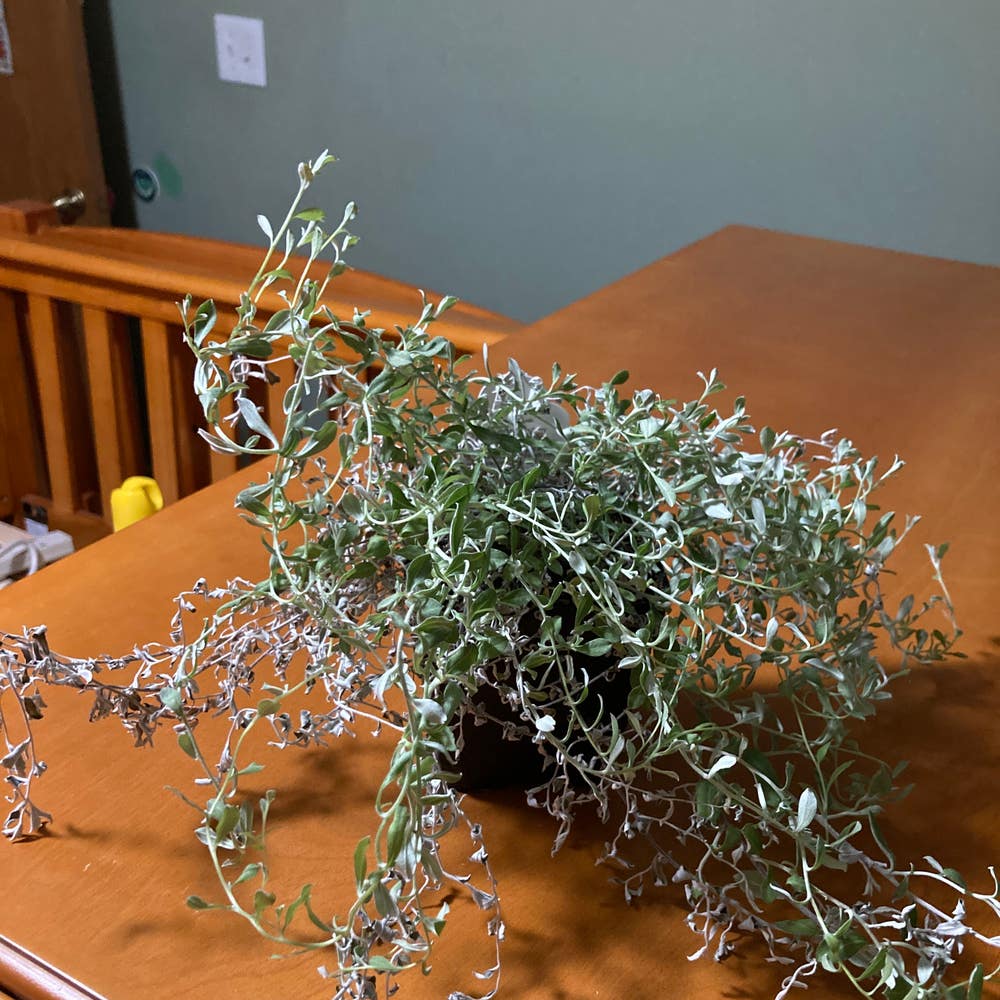
Everlasting plants absolutely thrive in bright, direct sunlight. For optimal growth, aim for at least 6 hours of direct sunlight each day.
☀️ Can Everlassunlight exposureect SunligEverlastingerlasting plants can handle direct sunlight quite well. While they can adapt to partial shade, they truly prefer full sun for the best results.
🔆 Effects of Too Much Direct Sunlight on Everlasting
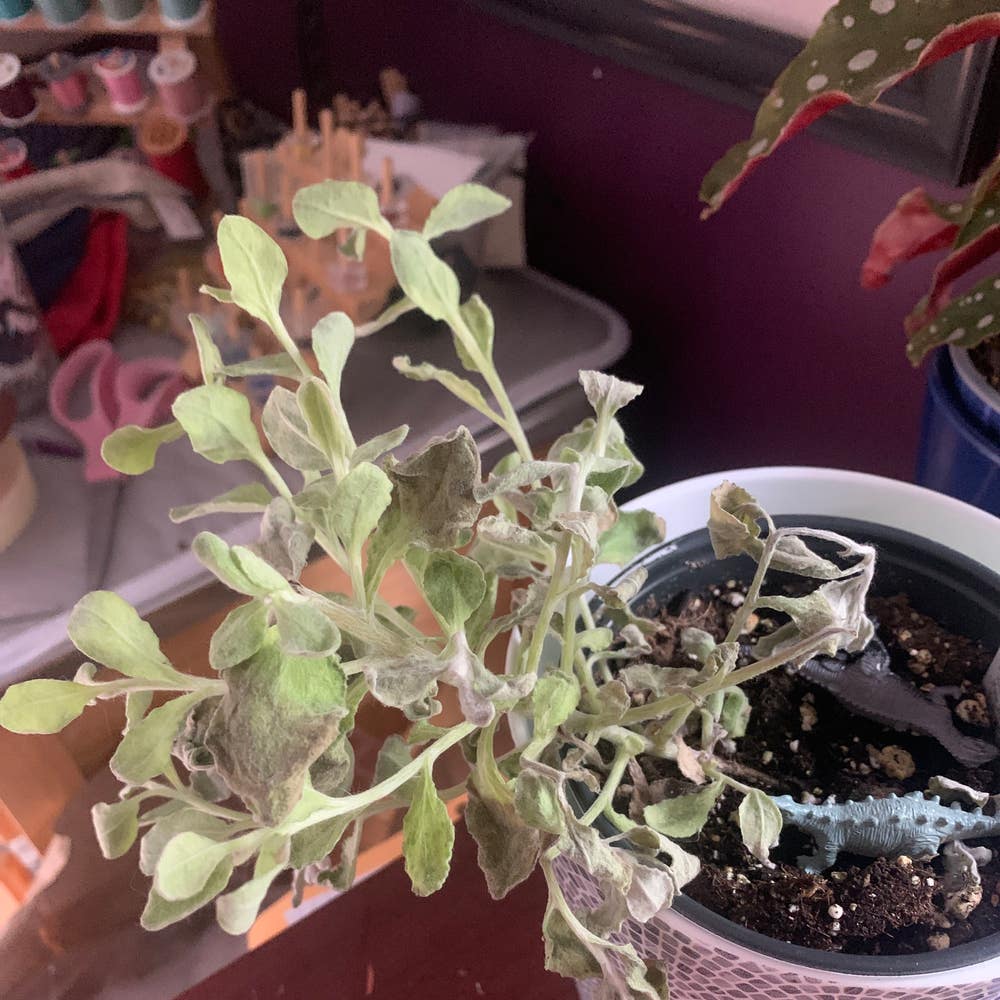
Be mindful of the signs of stress from too much sunlight. Look out for wilting, fading colors, or scorched leaves, and make it a habit to regularly check for signs of overexposure.
Understanding the sunlight needs of Everlasting plants is crucial for their health and vibrancy. With the right balance, you can ensure they flourish beautifully in your home.
Window Direction and Sunlight
🌞 Importance of Window Direction for Sunlight Exposure
The direction of your windows plays a csunlightole in how much sunlight your Everlasting plants receive. Different orientations can significantly impact their growth and health.
🧭 How Different Directions Affect Everlasting
🌅 South-Facing Windows
South-facing windows are the gold standard for Everlasting plants. They provide maximum sunlighEverlasting ensuring your plants thrive.
🌄 East-Facing Windows
East-facing windows offer gentle morning sun, which is great for gradual exposure. This can help prevent stress while still promoting healthy growth.
🌇 West-Facing Windows
West-facing windows deliver intense afternoon sunlight. While this can be beneficial, it’s essential to monitor your plants for signs of stress, such as wilting or scorched leaves.
🌌 North-Facing Windows
North-facing windows provide limited direct sunlight. If this is your only option, be prepared to supplement light to keep your Everlasting plants healthy.
Understanding window direction is key to optimizing sunlight exposure for your Everlasting plants. By positioning them correctly, you canEverlastingenvironment where they flourish beautifully.
Geographic Considerations
🌍 How Hemisphere Affects Sunlight Intensity and Duration
The hemisphere you live in significantly impacts your Everlasting plants' sunlight exposure.
In the Northern Hemisphere, expect longer days during summer and shorter ones in winter.
Conversely, the Southern Hemisphere experiences the opposite seasonal patterns, which can affect local climate conditions.
Understanding these variations helps you better care for your plants throughout the year.
🌞 Seasonal Variations in Sunlight Exposure for Everlasting
As seasons change, so does the sunlight available to your Everlasting plants.
During summer, increased sunlight means you should keep an eye outEverlastingof overheating.
In winter, reseasonal transitionsequire you to adjust your plant's positioning or provide supplemental light.
Being suitable locationhese seasonal shifts ensures your Everlasting thrives year-round.
With this knowledge, you can create the perfect environment for your plants, setting them up for success.
Next, let’s explore common misconceptions about Everlasting anbrightest window needs.
Common Misconceptions
🌞 Myths About Everlasting and Sunlight
One common myth is that Everlasting plants can thrive in complete shade. The reality is that these vibrant plants require direct sunlight for optimal growth.
💡 Clarifying Misunderstandings About Light Requirements
Another misconceptEverlasting more sunlight is always better. In truth, too much direct sunlight can stress the plant, making balance essential for its health.
Understanding these myths helps you create the best environment for your Everlasting plants. With the right light conditions, they can flourish beautifully in your home.
Practical Tips for Plant Parents
🌞 Signs of Too Much or Too Little Sunlight for Everlasting
Recognizing the signs of sunlight stress is crucial for your Everlasting's health. If you notice wilting, scorched leaves, or faded colors, your plant may be getting too much sunlight.
On the flip side, if your Everlasting shows stunted growth, a leggy appearance, or dull colors, it might not be receiving enough light. Keeping an eye on these indicators can help you maintain a thriving plant.
🌱 Adjusting Light Exposure Based on Seasonal Changes
As the seasons shift, so does the intensity and duration of sunlight. Regularly monitor how much light your Everlasting is getting, especially during seasonal transitions.
If you notice changes in your plant's health, don’t hesitate to move it to a more suitable location. Adjusting its position can make all the difference in maintaining optimal light conditions.
🪴 Best Practices for Positioning Everlasting in Your Home
Placement is key when it comes to ensuring your Everlasting thrives. Aim for the brightest window available; south-facing windows are often the best choice.
Regularly assess your plant's health and be ready to adjust its positioning as needed. A little attention can go a long way in keeping your Everlasting vibrant and healthy.
By following these practical tips, you can create an ideal environment for your Everlasting, ensuring it flourishes beautifully. Next, let’s explore common misconceptions about sunlight and Everlasting plants.
⚠️ Safety First
This content is for general information and may contain errors, omissions, or outdated details. It is not medical, veterinary advice, or an endorsement of therapeutic claims.
Always consult a qualified healthcare professional before using any plant as food, medicine, or supplement.
Never eat any plant (or feed one to pets) without confirming its identity with at least two trusted sources.
If you suspect poisoning, call Poison Control (800) 222-1222, the Pet Poison Helpline (800) 213-6680, or your local emergency service immediately.
Spotted an error? Please report it here.
Give your Everlasting plants the sunshine they crave ☀️ by using Greg's tailored tips to ensure they get the perfect light exposure for vibrant growth!