5 Tips for Healing Curling Leaves on Your Everlasting 🩹
Helichrysum spp.
By the Greg Editorial Team
Oct 18, 2024•5 min read
This article was created with the help of AI so we can cover more plants for you. May contain errors. See one? Report it here.
- 🌡️ Maintain temperatures between 20°C to 30°C to prevent leaf curling.
- 🐜 Monitor for pests like aphids and spider mites to protect your everlasting.
- 💧 Water weekly and ensure well-draining soil to avoid root issues and curling.
Causes of Curling Leaves
🌡️ Environmental Stress Factors
Temperature extremes can wreak havoc on your everlasting plants. Ideally, they thrive in temperatures ranging from 20°C to 30°C (68°F to 86°F). When temperatures stray too far from this range, you might notice symptoms like leaf curling and discoloration.
Humidity levels also play a crucial role in plant health. High humidity can increase the risk of fungal diseases, while low to moderate humidity is generally best for your everlasting.
🐜 Pests Affecting Everlasting
Aphids
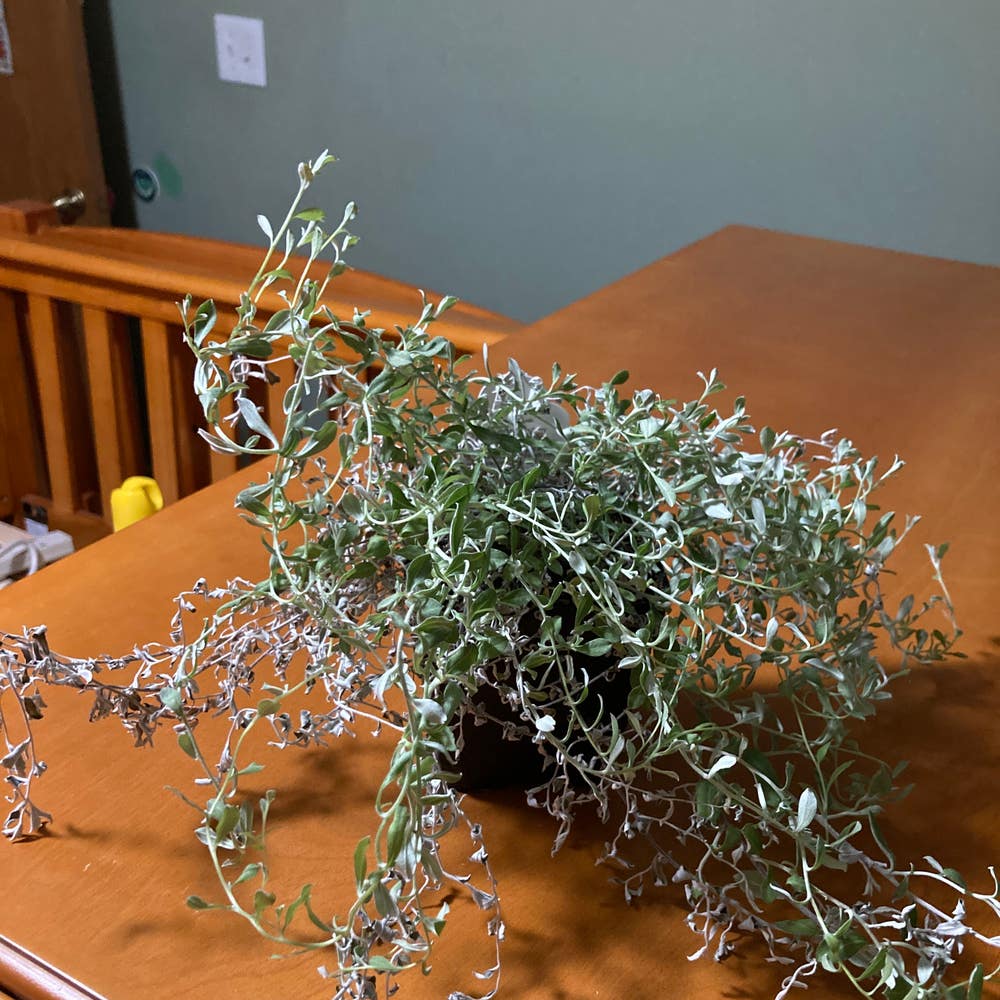
Aphids are notorious for causing trouble. You can spot an infestation by looking for sticky residue on leaves and curled foliage. These pests can stunt growth and distort leaves, making them a significant concern for plant health.
Spider Mites
Spider mites are another common pest that can damage your everlasting. Look for fine webbing and yellow speckling on leaves as signs of their presence. If left unchecked, they can weaken your plant's vigor, leading to further issues.
🥦 Nutrient Deficiencies
Nitrogen Deficiency
Nitrogen is essential for robust plant growth. Symptoms of nitrogen deficiency include yellowing leaves and stunted growth, which can contribute to leaf curl due to a weak plant structure.
Potassium Deficiency
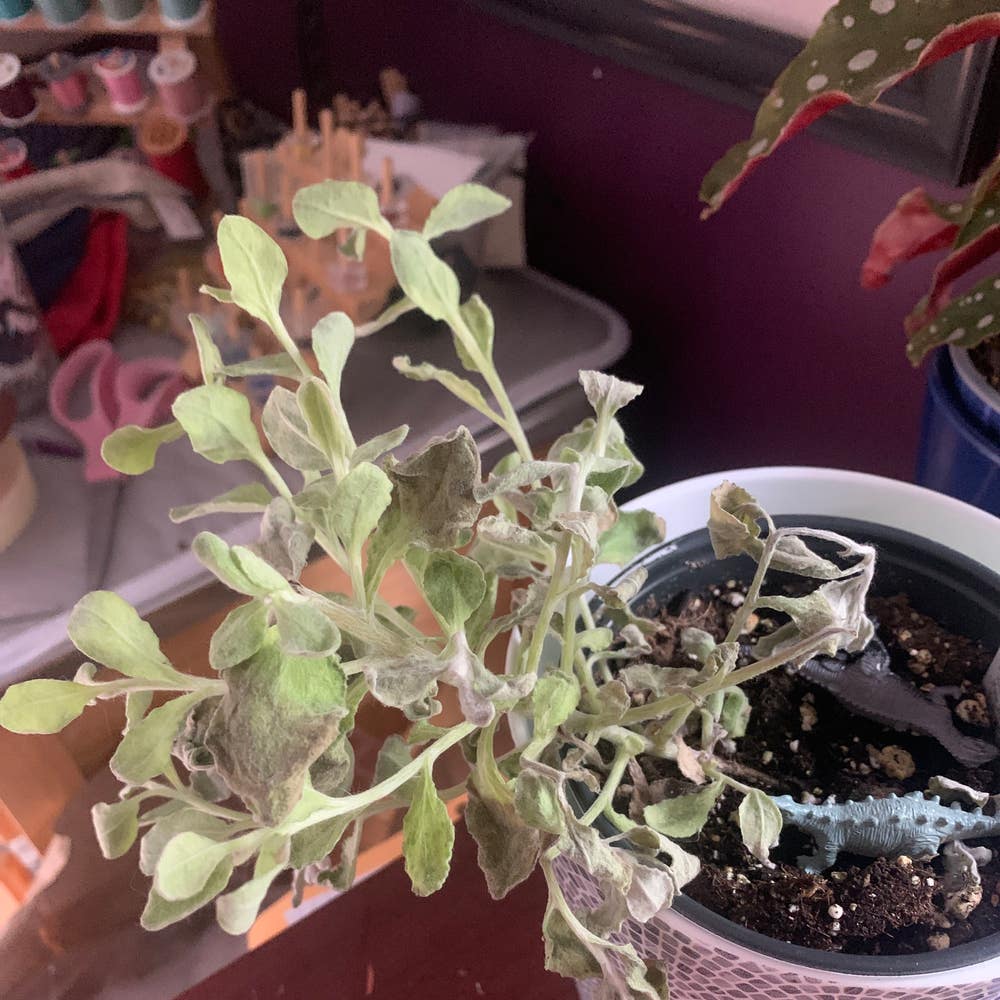
Potassium is vital for overall plant health. If you notice browning edges on leaves along with curling, it could indicate a potassium deficiency. This nutrient helps maintain strong cell walls and overall vigor.
💧 Overwatering vs. Underwatering
Finding the right balance in watering is crucial. Overwatering can lead to wilting, root rot, and leaf curl, emphasizing the importance of well-draining soil. Conversely, underwatering results in dry, crispy leaves that also curl, signaling stress.
🌱 Soil Quality and Drainage Issues
Soil quality significantly impacts your plant's health. Well-draining soil, such as sandy loam or potting mix, is recommended. Poor drainage can lead to symptoms like water pooling and root suffocation, which can exacerbate leaf curling.
Understanding these causes is the first step in addressing curling leaves on your everlasting. Next, we’ll explore how to diagnose these issues effectively.
Diagnosing Curling Leaves
Identifying Symptoms of Leaf Curl 🌿
Curling leaves can manifest in two primary ways: upward or downward curling. Additionally, pay attention to color changes, such as yellowing or browning, which can indicate underlying issues.
Differentiating Between Pest Damage and Environmental Stress 🐛
To accurately diagnose the problem, conduct a visual inspection. Check the undersides of leaves for pests and observe the surrounding environmental conditions for signs of stress.
Assessing Soil Moisture Levels 💧
Understanding soil moisture is crucial for plant health. Use the finger test by inserting your finger into the soil up to two inches to gauge moisture levels, or employ a soil moisture meter for precise readings.
Checking for Signs of Nutrient Deficiency 🍂
Nutrient deficiencies can also lead to curling leaves. Look for yellowing leaves as a sign of nitrogen deficiency and browning edges to indicate potassium deficiency.
By carefully assessing these factors, you can pinpoint the cause of curling leaves and take appropriate action. Next, let’s explore effective treatment options to restore your everlasting to its vibrant self.
Treating Curling Leaves
🐞 Step-by-Step Guide to Treating Pests
Identifying pests is your first step. Use a magnifying glass to inspect the leaves closely for any signs of infestation.
Once you've pinpointed the pest, apply insecticidal soap or neem oil according to the label instructions. This will help eliminate the unwanted guests effectively.
After treatment, monitor your plant weekly for any signs of re-infestation. Staying vigilant is key to keeping your Everlasting healthy.
💧 Adjusting Watering Practices
Watering frequency is crucial for plant health. Aim to water your Everlasting once a week, ensuring the soil dries out between waterings.
Proper watering should leave the soil moist but not soggy. This balance helps prevent root rot and keeps your plant thriving.
🌱 Fertilization Techniques for Healthy Leaves
Fertilization plays a vital role in leaf health. Use a balanced NPK fertilizer, like 10-10-10, or opt for organic options.
Apply fertilizer every 4-6 weeks during the growing season. This regular feeding supports robust growth and vibrant leaves.
🪴 Soil Amendments for Better Drainage
Soil quality can significantly impact your plant's health. Consider adding amendments like perlite or coarse sand to improve drainage.
A good mixing ratio is 1 part amendment to 3 parts soil. This ensures your Everlasting has the right environment to flourish.
🌤️ Environmental Adjustments
Environmental factors are just as important. Ensure your Everlasting receives full sun for 6-8 hours daily to promote healthy growth.
Temperature control is also essential. Avoid placing your plant near drafts or heat sources to prevent stress.
By implementing these treatment strategies, you can effectively address curling leaves and promote a healthier Everlasting. Next, let’s explore how to prevent future leaf curl for lasting plant health.
Preventing Future Leaf Curl
🌱 Best Practices for Everlasting Care
To keep your Everlasting healthy, regularly check for signs of stress or pests. A consistent watering schedule is crucial for maintaining plant vitality.
🔍 Regular Monitoring for Pests and Diseases
Conduct weekly inspections to catch any signs of pests or diseases early. Sticky traps can be a game-changer for early detection, helping you stay one step ahead.
🌦️ Seasonal Care Adjustments
Adjust your watering frequency according to the seasons. During active growth periods in spring and summer, don’t forget to fertilize to support robust growth.
💧 Importance of Proper Watering Techniques
To avoid overwatering, use pots with drainage holes. Water only when the top inch of soil feels dry to the touch, ensuring your plant gets just the right amount.
📍 Choosing the Right Location for Optimal Growth
Place your Everlasting in full sun areas with good air circulation. Avoid spots that are shaded or overly humid, as these conditions can lead to stress and curling leaves.
By following these preventive measures, you can help ensure your Everlasting thrives, reducing the likelihood of leaf curl and promoting overall health. Next, let’s explore how to diagnose curling leaves effectively.
⚠️ Safety First
This content is for general information and may contain errors, omissions, or outdated details. It is not medical, veterinary advice, or an endorsement of therapeutic claims.
Always consult a qualified healthcare professional before using any plant as food, medicine, or supplement.
Never eat any plant (or feed one to pets) without confirming its identity with at least two trusted sources.
If you suspect poisoning, call Poison Control (800) 222-1222, the Pet Poison Helpline (800) 213-6680, or your local emergency service immediately.
Spotted an error? Please report it here.
Heal your curling everlasting leaves and boost their vitality 🌿 with Greg's tailored care reminders and pest alerts, ensuring your plant thrives in its perfect environment!