When to Water Your Everlasting 💧
Helichrysum spp.
By the Greg Editorial Team
Oct 18, 2024•5 min read
This article was created with the help of AI so we can cover more plants for you. May contain errors. See one? Report it here.
- 💧 Water every 1-2 weeks, allowing soil to dry out between sessions.
- 🌱 Adjust watering seasonally; increase in spring/summer, decrease in fall/winter.
- 👀 Watch for visual cues like yellowing leaves to assess watering needs.
Watering Frequency
Ideal Watering Schedule 🌊
Watering your everlasting plant is crucial for its health. A general guideline is to water every 1-2 weeks, ensuring the soil dries out between waterings.
Seasonal Adjustments 🍂
As seasons change, so should your watering routine. In spring and summer, increase watering frequency due to the plant's growth and the heat. Conversely, in fall and winter, reduce watering as growth slows down.
Observing Plant Behavior 👀
Your plant will often communicate its needs. Pay attention to visual cues and adjust your watering schedule based on environmental conditions, ensuring your everlasting thrives throughout the year.
This careful attention to watering frequency sets the stage for recognizing watering issues, which we'll explore next.
Recognizing Watering Issues
🚿 Signs of Over-Watering
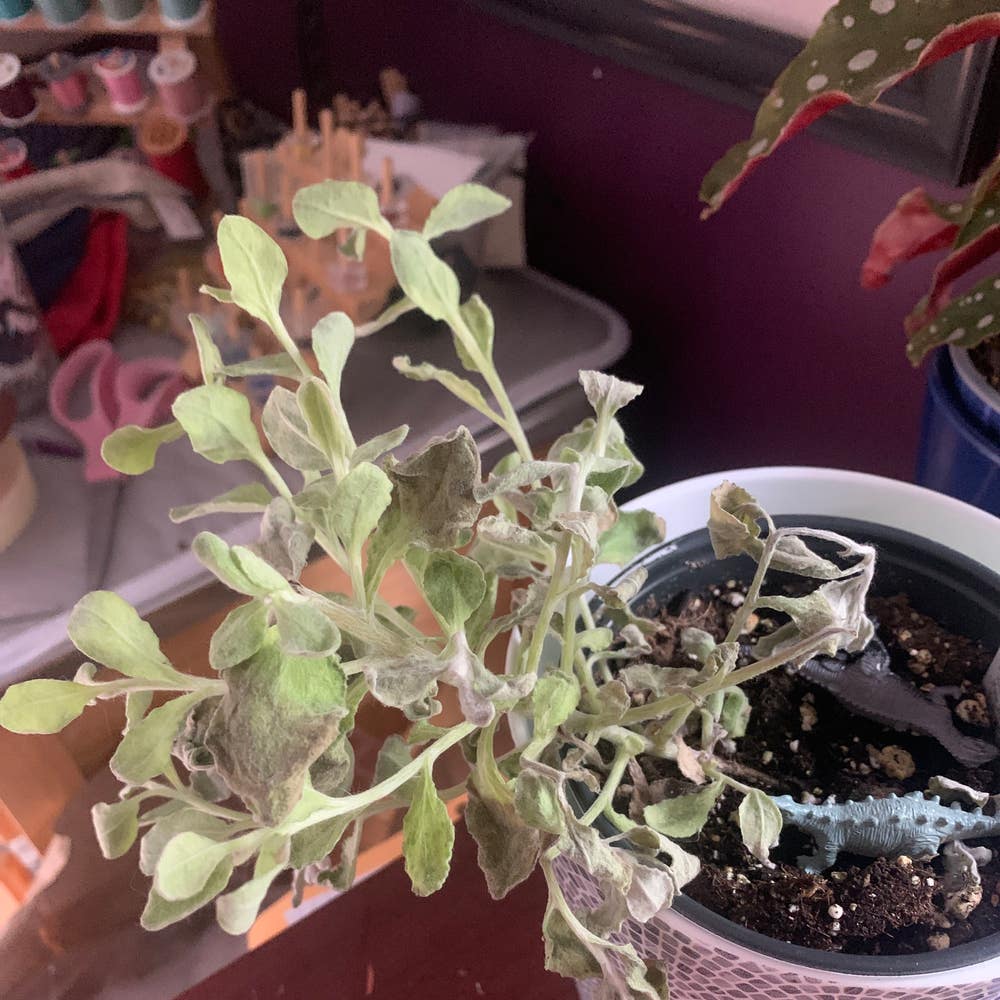
Over-watering can be a sneaky problem for your everlasting plants. Look out for yellowing leaves; this is a clear sign that your plant is stressed from too much moisture.
If you notice wilting leaves despite wet soil, your roots might be suffocating. Root rot is another serious issue; dark, mushy roots upon inspection indicate that your plant is in trouble. Additionally, if you see mold or fungus on the soil surface, it’s a strong indicator of overly moist conditions.
💧 Signs of Under-Watering
On the flip side, under-watering can also wreak havoc on your plants. Crispy, brown leaf edges are a telltale sign of dehydration, signaling that your plant needs immediate attention.
Drooping leaves are another distress signal; your plant is stressed and craving water. If you see the soil pulling away from the pot edges, it’s a clear indication of dryness. Lastly, stunted growth can occur when your plant lacks the moisture it needs to thrive.
Recognizing these signs early can help you adjust your watering routine effectively. Next, let’s explore some practical watering techniques to keep your everlasting plants healthy and thriving.
Watering Techniques
🌊 Bottom-Watering Method
Bottom-watering is a fantastic technique that encourages deep root growth while preventing the topsoil from becoming overly saturated. This method is especially beneficial for plants like your everlasting, as it promotes healthier roots.
To bottom-water effectively, follow these simple steps:
- Fill a tray with water.
- Place the pot in the tray, allowing the soil to absorb moisture from the bottom.
- After 30 minutes, remove the pot and let any excess water drain.
Using this method every 2-3 weeks, or as needed based on moisture levels, can help maintain optimal soil conditions.
🪴 Using Self-Watering Pots
Self-watering pots are a game-changer for plant care. They provide consistent moisture levels, significantly reducing the risk of over-watering.
When choosing a self-watering pot, look for these features:
- Water reservoir: This allows for gradual moisture release.
- Indicator: A handy feature that shows when to refill the reservoir.
For maintenance, check the reservoir regularly to ensure it’s not empty. Adjust your watering frequency based on environmental conditions to keep your everlasting thriving.
These watering techniques not only simplify your plant care routine but also enhance the overall health of your plants. Now that you’re equipped with these methods, let’s explore how to measure soil moisture effectively.
Measuring Soil Moisture
🌱 How to Check Soil Moisture Levels
Understanding when to water your everlasting plant starts with checking soil moisture. A simple visual inspection can reveal a lot; look for signs of dryness or moisture on the surface.
For a more hands-on approach, try the finger test. Insert your finger 1-2 inches into the soil; if it feels dry, it’s time to water.
Soil texture also plays a crucial role. Crumbly soil indicates dryness, while sticky soil suggests adequate moisture.
📏 Tools for Measuring Soil Moisture
For those who prefer precision, a moisture meter is your best friend. This handy tool provides accurate readings of soil moisture levels. Simply insert the probe into the soil and read the moisture level on the display.
If you’re into DIY methods, there are a couple of easy alternatives. First, use a wooden stick; insert it into the soil, and if it comes out clean, your soil is dry.
Another method is the weight test. Lift the pot to gauge moisture; a heavier pot usually means wet soil.
By mastering these techniques, you can ensure your everlasting plant thrives, setting the stage for healthy growth and vibrant blooms. Next, let’s explore effective watering techniques to keep your plant happy and hydrated.
Care Reminders
📱 Using the Greg Plant Care App
The Greg Plant Care App is a game-changer for plant enthusiasts. It offers customizable reminders tailored to your plant's specific needs.
Key Features
- Custom Reminders: Set notifications based on your plant's watering schedule.
- Seasonal Adjustments: Easily modify reminders as the seasons change.
Steps to Create a Schedule
- Input Plant Type: Start by entering the type of plant you have and its moisture requirements.
- Set Frequency: Adjust the watering frequency according to seasonal changes and environmental factors.
- Adjust as Needed: Monitor your plant's response and tweak reminders to fit its growth patterns.
Using this app not only simplifies your watering routine but also ensures your everlasting thrives. With the right tools, you can cultivate a flourishing indoor garden effortlessly.
Next, let’s explore how to measure soil moisture effectively.
⚠️ Safety First
This content is for general information and may contain errors, omissions, or outdated details. It is not medical, veterinary advice, or an endorsement of therapeutic claims.
Always consult a qualified healthcare professional before using any plant as food, medicine, or supplement.
Never eat any plant (or feed one to pets) without confirming its identity with at least two trusted sources.
If you suspect poisoning, call Poison Control (800) 222-1222, the Pet Poison Helpline (800) 213-6680, or your local emergency service immediately.
Spotted an error? Please report it here.
Keep your everlasting plant thriving 🌱 by adjusting your watering routine with Greg's custom reminders that ensure it gets the perfect amount of moisture all year round!