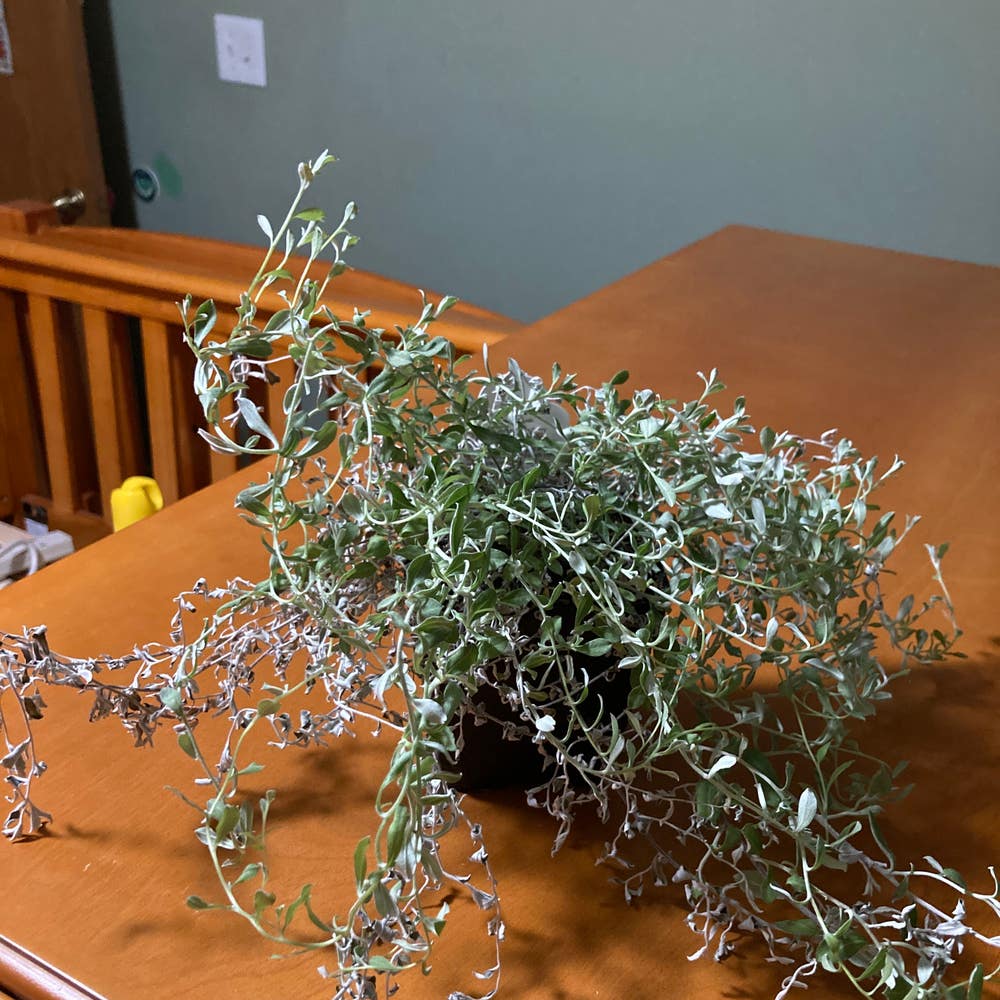
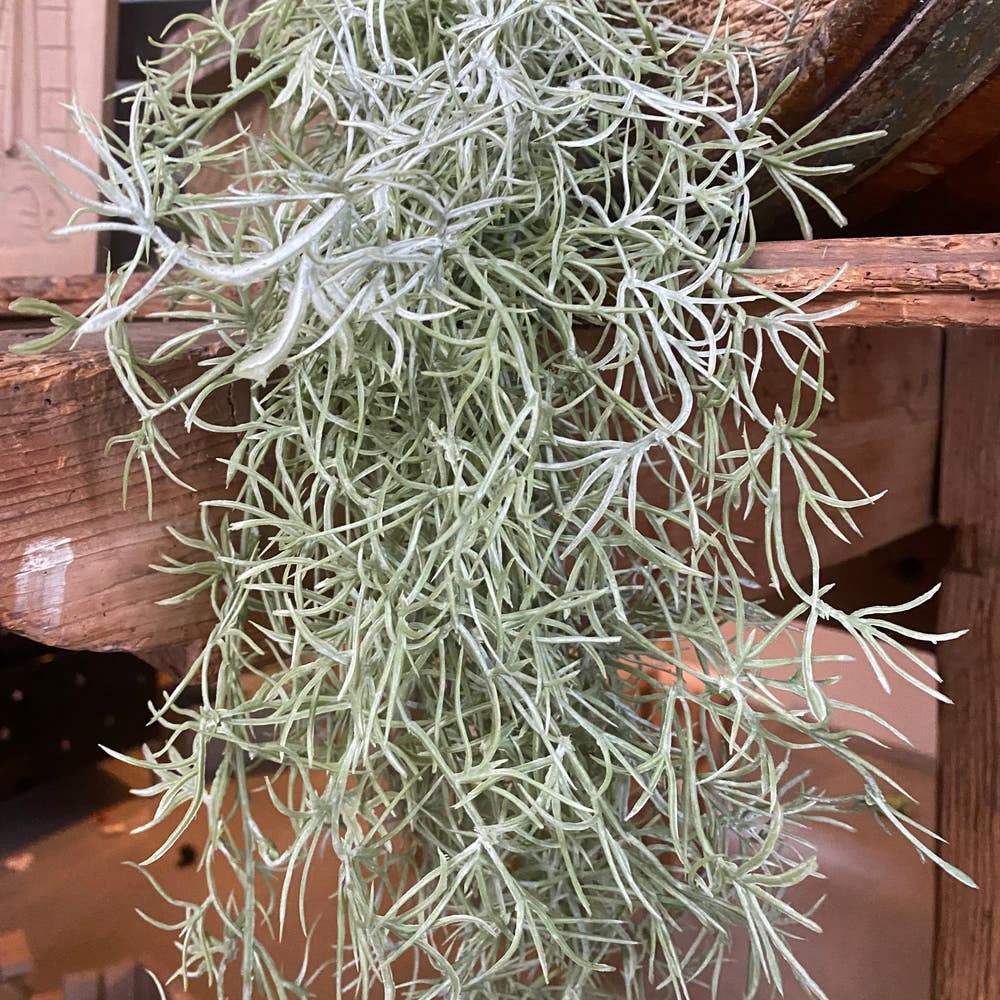
Managing Yellow Leaves on Your Everlasting ☀️
Helichrysum spp.
By the Greg Editorial Team
Oct 18, 2024•5 min read
This article was created with the help of AI so we can cover more plants for you. May contain errors. See one? Report it here.
- 🌱 Yellow leaves indicate issues like overwatering, nutrient deficiencies, or pests.
- 💧 Maintain consistent watering and check soil moisture to prevent yellowing.
- 🌞 Ensure 6-8 hours of sunlight daily for optimal everlasting plant health.
Diagnosing Yellow Leaves
🟡 Common Causes of Yellow Leaves
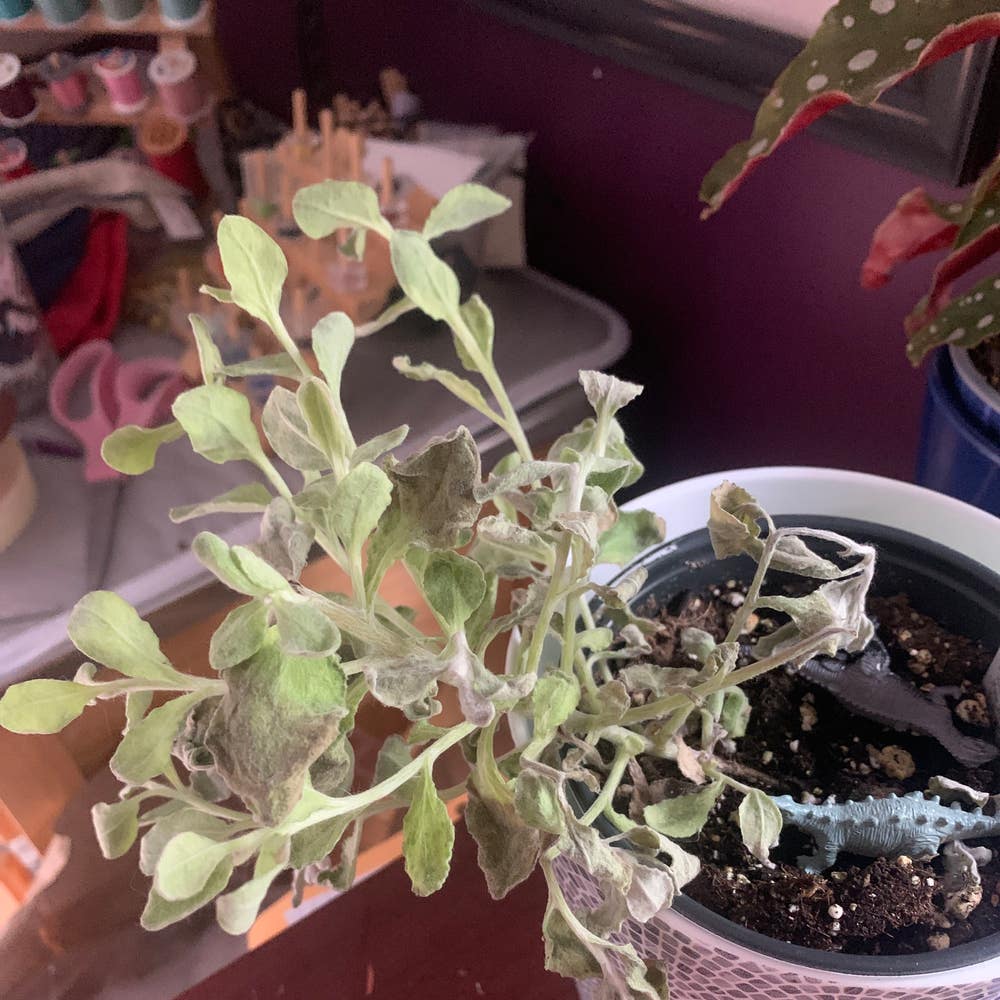
Yellow leaves on your everlasting can signal various issues.
Overwatering is a common culprit, leading to soggy soil and root rot.
Underwatering can also cause problems, resulting in dry, crispy leaves and wilting.
Nutrient deficiencies are another major factor; a lack of nitrogen, iron, or magnesium can manifest as yellowing leaves.
Pest infestations should not be overlooked; keep an eye out for pests like aphids or spider mites.
Lastly, fungal issues such as root rot or leaf spot diseases can contribute to yellowing.
🥦 Identifying Nutrient Deficiencies
Recognizing nutrient deficiencies is crucial for plant health.
Nitrogen deficiency typically shows as yellowing in lower leaves, while upper leaves stay green.
Iron deficiency presents as yellowing between leaf veins, leaving the veins themselves green.
Magnesium deficiency often results in yellowing at the leaf edges, sometimes with a mottled appearance.
To confirm any deficiencies, consider testing your soil with a soil test kit.
🐜 Recognizing Pest Infestations
Pests can wreak havoc on your plants, so vigilance is key.
Aphids are small, green insects often found on the undersides of leaves, leaving a sticky residue.
Spider mites create fine webbing and cause stippled leaves, particularly in dry conditions.
To tackle these pests, identify them early and assess the damage to your leaves.
🌍 Assessing Environmental Stress Factors
Environmental factors can also lead to yellowing leaves.
Sunlight requirements are essential; ensure your plant receives 6-8 hours of direct sunlight daily.
Temperature fluctuations can stress your plant, so keep it in a stable environment.
Finally, soil moisture levels should be consistent; avoid extremes to keep your plant thriving.
Understanding these causes and symptoms will empower you to take action and restore your plant's health. Next, we'll explore effective treatments for yellow leaves.
Treating Yellow Leaves
🌱 Step-by-Step Guide to Correcting Nutrient Deficiencies
Identifying nutrient deficiencies is the first step in reviving your plant. Look for visual symptoms: yellowing leaves can indicate a lack of nitrogen, iron, or magnesium.
Once you've pinpointed the deficiency, choose an appropriate fertilizer. A balanced NPK fertilizer is great for addressing nitrogen issues.
Apply the fertilizer according to the package instructions. This ensures your plant receives the right amount without overdoing it.
Monitor your plant's response over the next 2-4 weeks. This will help you determine if your intervention was successful.
🐛 Pest Control Methods
Pests can be a significant cause of yellowing leaves. Start with manual removal; handpick pests or spray them off with a strong jet of water.
If the infestation persists, consider using insecticidal soap. Follow the instructions carefully to treat affected areas effectively.
Neem oil is another excellent option. It acts as both a preventive measure and a treatment for existing infestations.
💧 Adjusting Watering Practices
Watering practices play a crucial role in plant health. Begin by checking soil moisture; a moisture meter or a simple finger test can help.
Establish a watering schedule based on your findings. Water when the top inch of soil feels dry to the touch.
Ensure your pots have drainage holes to prevent waterlogging. If necessary, amend the soil to improve drainage.
🌍 Improving Soil Drainage and Aeration
Soil health is vital for preventing yellow leaves. Start by incorporating soil amendments like perlite or sand into your mix.
If issues persist, consider repotting your plant in a well-draining potting mix. This can provide a fresh start for your plant.
Aeration techniques can also help. Use a garden fork to aerate compacted soil, allowing roots to breathe and absorb nutrients better.
By addressing these factors, you can help your plant thrive and prevent yellow leaves in the future. Next, let’s explore how to prevent yellow leaves from occurring in the first place.
Preventing Yellow Leaves
🌱 Best Practices for Soil Health
Regular soil testing is crucial for maintaining healthy plants. Aim to check nutrient levels and pH annually to ensure your soil supports vibrant growth.
Adding organic matter, like compost, can significantly improve soil structure and nutrient availability. This simple step enriches the soil, promoting better water retention and root health.
Mulching is another effective strategy. Use organic mulch to help retain moisture and suppress weeds, creating a healthier environment for your plants.
☀️ Optimal Sunlight Exposure
Your plants need full sun to thrive. Ensure they receive 6-8 hours of direct sunlight daily for optimal growth.
If your plants aren't getting enough light, consider adjusting their location. Moving pots or plants to sunnier spots can make a noticeable difference in their health.
🌼 Seasonal Care Tips to Prevent Yellowing
Spring is the perfect time for fertilization. Apply a balanced fertilizer at the start of the growing season to give your plants a nutrient boost.
During the hot summer months, increase your watering frequency. This helps prevent stress and keeps your plants hydrated.
As temperatures drop in fall, reduce watering. Preparing your plants for dormancy is essential for their survival through the colder months.
🔧 Regular Maintenance Routines
Pruning is key to promoting new growth. Regularly remove dead or yellowing leaves to encourage healthier foliage.
Keep an eye on your plants by monitoring for pests and signs of stress. Early detection can save your plants from more significant issues down the line.
Lastly, don’t forget to clean your plants. Keeping leaves free from dust maximizes photosynthesis, ensuring your plants get the energy they need to thrive.
By implementing these preventive measures, you can maintain the health of your everlasting plants and enjoy their beauty year-round. Next, let’s explore effective treatments for yellow leaves when they do appear.
⚠️ Safety First
This content is for general information and may contain errors, omissions, or outdated details. It is not medical, veterinary advice, or an endorsement of therapeutic claims.
Always consult a qualified healthcare professional before using any plant as food, medicine, or supplement.
Never eat any plant (or feed one to pets) without confirming its identity with at least two trusted sources.
If you suspect poisoning, call Poison Control (800) 222-1222, the Pet Poison Helpline (800) 213-6680, or your local emergency service immediately.
Spotted an error? Please report it here.
Say goodbye to yellow leaves and hello to thriving everlastings 🌼 with Greg's tailored watering reminders and nutrient tips that ensure your plants stay vibrant and healthy!