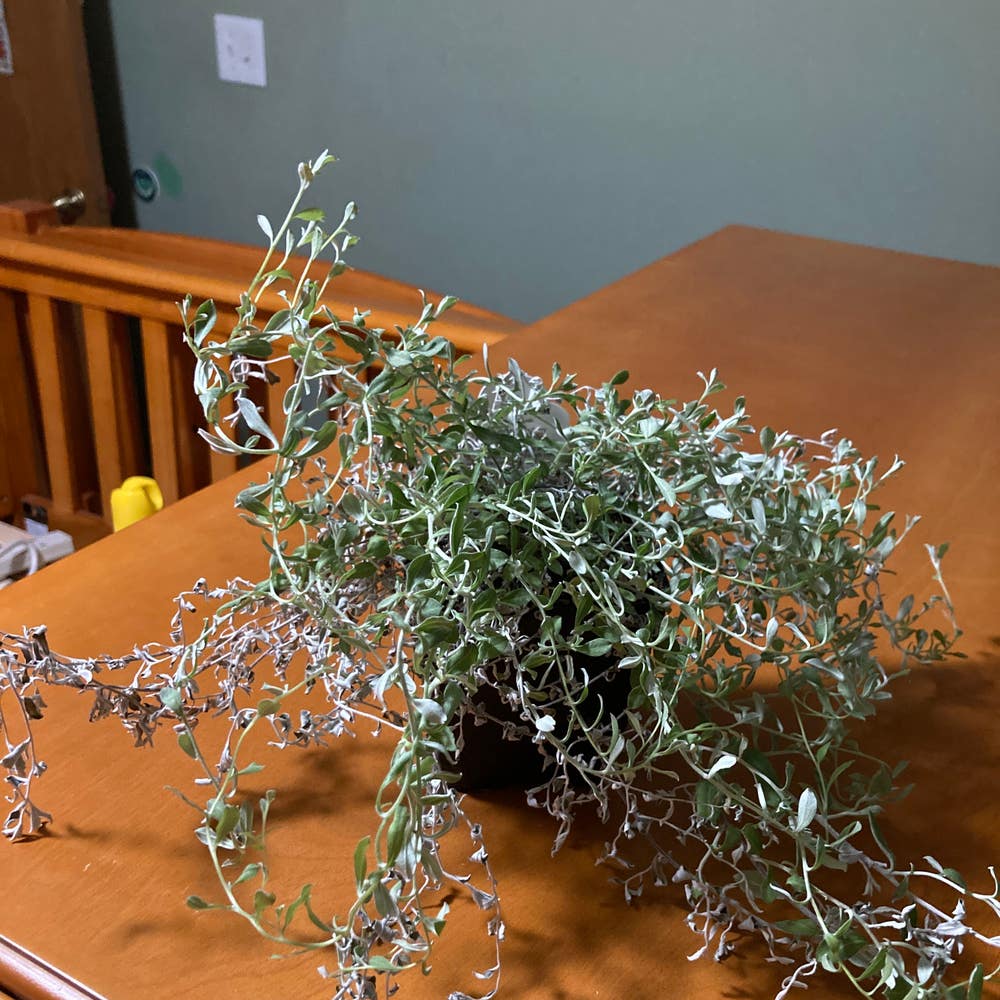
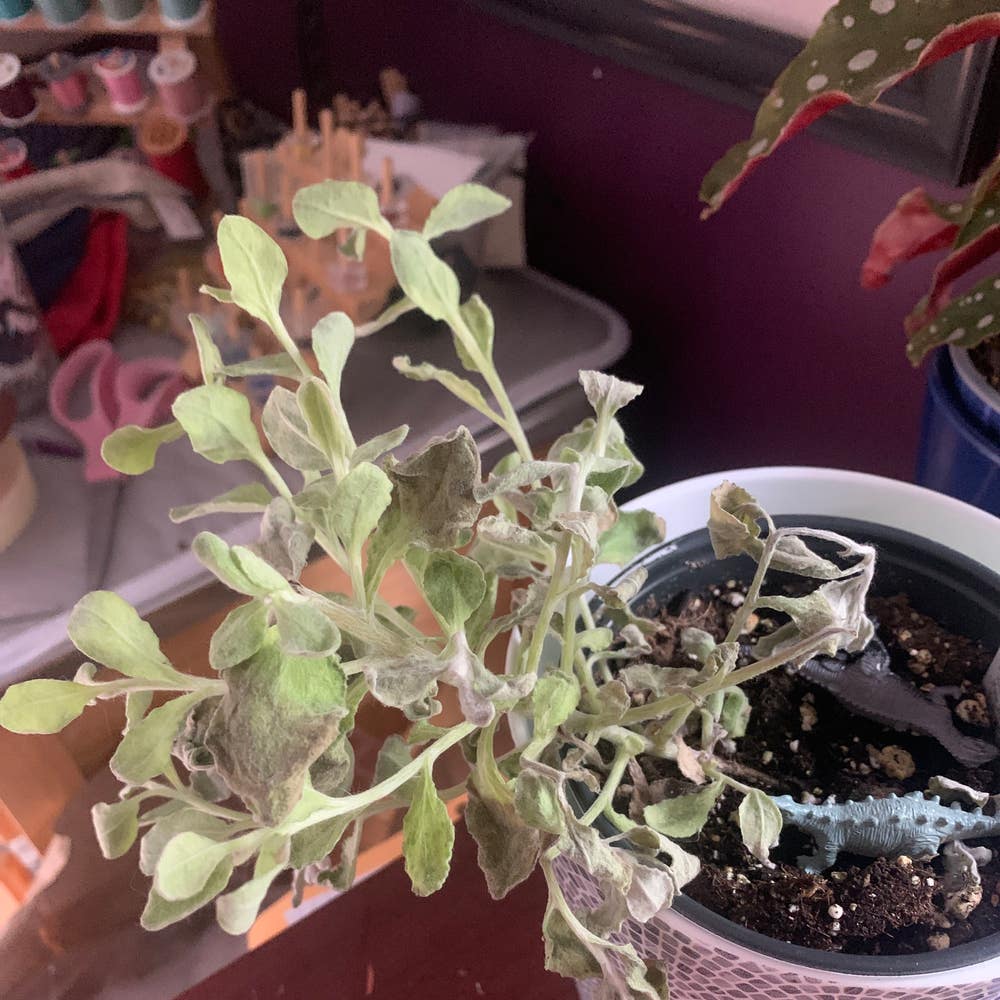
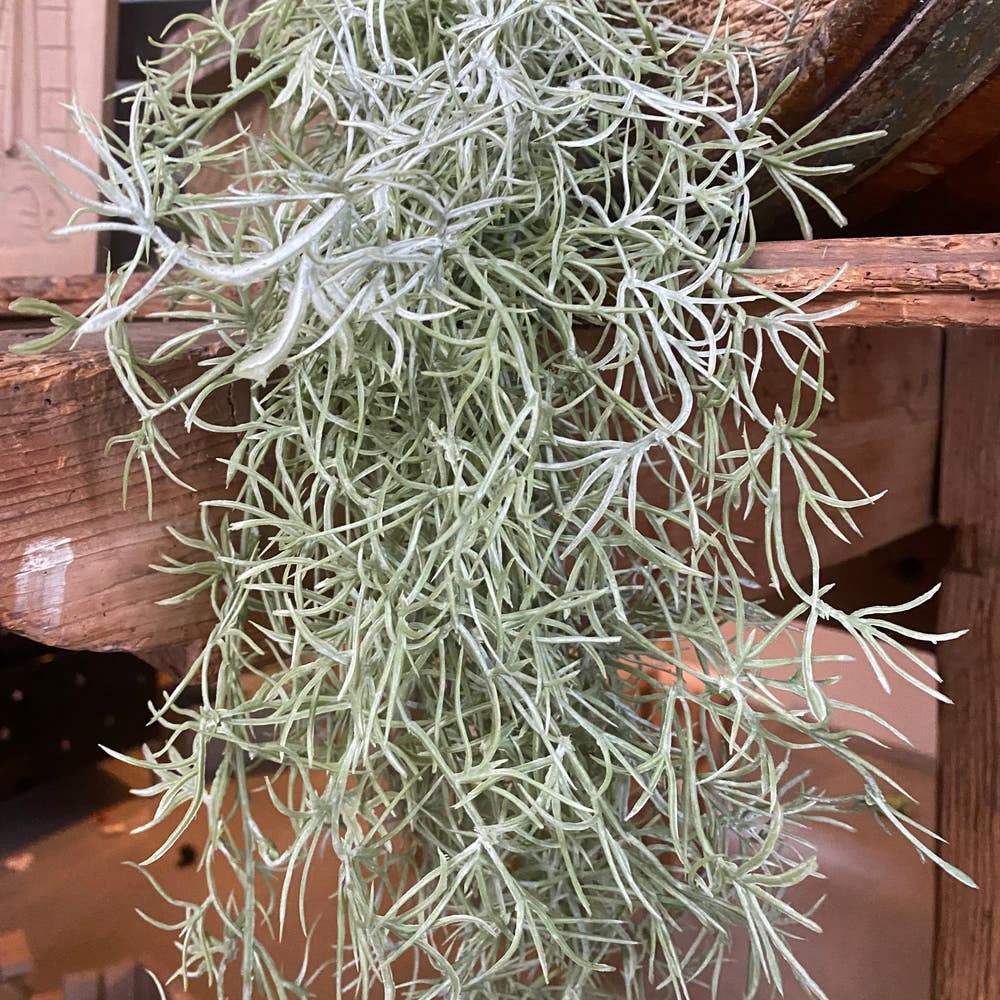
🌞 How to Grow Everlasting: From Soil to Sun
Helichrysum spp.
By the Greg Editorial Team
Oct 18, 2024•7 min read
This article was created with the help of AI so we can cover more plants for you. May contain errors. See one? Report it here.
- 🌞 Everlasting flowers need 6-8 hours of full sun for optimal growth.
- 🌱 Ideal soil is well-draining sandy or loamy, with pH 6.0 to 7.5.
- 💧 Consistent watering and pest monitoring are crucial for healthy everlasting plants.
Choosing the Right Location
Sunlight Requirements 🌞
To grow everlasting flowers successfully, they need full sun exposure for 6-8 hours daily. Sunlight is crucial for optimal growth and vibrant flowering, so choose a spot that basks in the sun.
Climate Considerations 🌡️
Everlasting flowers thrive in Mediterranean-like climates. Aim for a temperature range of 15°C to 30°C (59°F to 86°F) for healthy growth, ensuring your plants flourish in the right conditions.
Selecting the right location is the first step in your everlasting flower journey. With the right sunlight and climate, you set the stage for a thriving garden. Next, let’s dive into soil preparation to give your plants the best foundation.
Soil Preparation
Ideal Soil Types 🌱
To grow everlasting flowers successfully, start with well-draining sandy or loamy soil. This type of soil promotes healthy root development, allowing your plants to thrive.
pH Levels and Amendments ⚗️
Aim for a soil pH between 6.0 and 7.5 for optimal growth. If your soil is too acidic or alkaline, consider adding amendments like lime or sulfur to adjust the pH and improve drainage and fertility.
Importance of Soil Texture 🧱
Soil texture plays a crucial role in water retention and nutrient availability. A balanced mix ensures that roots can access what they need without becoming waterlogged.
Recommended Soil Amendments 🌿
Incorporate organic matter, such as compost or well-rotted manure, to enhance soil structure. These amendments not only improve drainage but also boost nutrient content, fostering robust plant growth.
By preparing your soil thoughtfully, you're setting the stage for vibrant everlasting flowers. Next, let’s explore effective planting techniques to ensure your efforts yield beautiful blooms.
Planting Techniques
Seed vs. Transplanting 🌱
When it comes to planting everlasting flowers, you have two main options: starting from seeds or transplanting young plants. Starting from seeds is often more cost-effective and allows for a wider variety of species to choose from.
On the other hand, transplanting offers quicker establishment and growth. If you’re eager to see blooms sooner, this might be the route for you.
Spacing and Depth Considerations 📏
Proper spacing is crucial for healthy growth. Aim to plant your everlastings 12-18 inches apart to give them room to thrive.
For planting depth, seeds should be sown about 1/4 inch deep, while transplants should go in slightly deeper. This ensures they establish strong roots and flourish in your garden.
With these techniques in mind, you're well on your way to a vibrant everlasting garden! Next, let’s explore how to effectively water and fertilize your plants for optimal growth.
Watering and Fertilizing
💧 Watering Techniques
Watering your everlasting plants is crucial for their health. Aim for weekly watering, increasing frequency during dry spells to keep the soil consistently moist.
Deep watering is essential as it encourages robust root growth. This method allows roots to reach deeper into the soil, making your plants more resilient.
🚰 Signs of Overwatering or Underwatering
Recognizing the signs of overwatering is vital. Yellowing leaves and root rot are clear indicators that your plants are getting too much water.
On the flip side, underwatering manifests as wilting and dry soil. Keep an eye on your plants to ensure they’re thriving.
🌱 Fertilizing
Types of Fertilizers to Use
Choosing the right fertilizer can make a significant difference. Balanced NPK fertilizers, like the 10-10-10 variety, provide essential nutrients for growth.
If you prefer organic options, compost and well-rotted manure are excellent choices. They enrich the soil while promoting healthy plant development.
Timing and Frequency
Establishing a fertilizing schedule is key to optimal growth. Fertilize every 4-6 weeks during the growing season to keep your plants nourished.
Adjust your fertilization based on the growth stage of your plants. This ensures they receive the right nutrients when they need them most.
With proper watering and fertilizing, your everlasting plants will flourish. Next, let’s explore effective pruning techniques to keep them healthy and vibrant.
Pruning and Ongoing Care
Pruning Techniques 🌿
Pruning is essential for maintaining the health and appearance of your everlasting plants. The best time to prune is early spring or right after flowering, allowing for new growth to flourish.
When and How to Prune ✂️
To encourage bushiness, pinch back the tips of the stems. This simple technique promotes a fuller plant and enhances flowering.
Ongoing Care Routine 🕵️♀️
Regular monitoring is key to a thriving garden. Inspect your plants frequently for signs of pests or diseases, as early detection can save your plants from significant damage.
Monitoring for Pests and Diseases 🐜
Stay vigilant for common pests like aphids and spider mites. Catching these infestations early allows for effective intervention, ensuring your plants remain healthy.
Seasonal Care Adjustments 🍂
As seasons change, so should your care routine. Adjust your watering and fertilization practices based on the weather and prepare your plants for winter in colder climates to ensure their survival.
Transitioning into the next section, understanding common challenges and solutions will further equip you for successful everlasting gardening.
Common Challenges and Solutions
🐛 Identifying Pests and Diseases
Common Pests
When growing Everlasting, be on the lookout for common pests like aphids, spider mites, and whiteflies. These tiny invaders can wreak havoc on your plants, causing yellowing leaves and stunted growth.
To spot an infestation, check for sticky residue on leaves or visible insects. Early detection is key to managing these pests effectively.
Diseases
Root rot and powdery mildew are two diseases that can threaten your Everlasting plants. Root rot often stems from overwatering, while powdery mildew thrives in humid conditions.
Prevent these issues by ensuring proper drainage and spacing. If you notice symptoms, act quickly with appropriate treatments, such as fungicides or adjusting watering practices.
🌍 Environmental Challenges
Drought
Drought can stress your Everlasting plants, leading to wilting and dry soil. Signs of drought stress include drooping leaves and a parched appearance.
To mitigate these effects, consider mulching around your plants. Mulch helps retain soil moisture and regulates temperature, keeping your plants hydrated.
Frost
Frost poses a significant risk, especially in colder climates. Protecting your Everlasting plants from frost damage is crucial for their survival.
Use protective measures like row covers or blankets during cold snaps. These simple strategies can shield your plants and ensure they thrive through the seasons.
By staying vigilant against pests, diseases, and environmental challenges, you can cultivate healthy Everlasting plants. With the right care, your garden will flourish beautifully, setting the stage for the next section on container versus outdoor growing.
Container vs. Outdoor Growing
🌱 Advantages of Container Growing
Container gardening offers flexibility and control over your plants' environment. You can easily move containers to optimize sunlight exposure and protect them from harsh weather.
🪴 Best Container Types and Sizes
For optimal growth, choose containers that are 12-16 inches in diameter. This size provides enough space for root development while ensuring that the plants remain manageable.
🚰 Importance of Drainage Holes
Always select containers with drainage holes. Proper drainage prevents waterlogging, which can lead to root rot and other issues.
🌿 Soil and Drainage Considerations
Using a potting mix with excellent drainage properties is crucial. This type of soil helps maintain moisture without suffocating the roots.
💧 Monitoring Soil Moisture in Containers
Regularly check the soil moisture in your containers. Container plants can dry out quickly, so consistent monitoring ensures they receive the right amount of water.
🌞 Outdoor Growing Tips
Outdoor gardening allows for more extensive planting options and can enhance the natural beauty of your landscape. However, it comes with its own set of considerations.
🌼 Companion Planting Ideas
Consider planting beneficial companions like marigolds and lavender. These plants not only enhance growth but also help with pest control, creating a healthier garden environment.
📅 Seasonal Considerations
Timing is key when planting outdoors. Adjust your planting schedule based on local climate conditions to maximize growth potential.
🔄 Adjusting Care Practices for Seasonal Changes
Be prepared to modify your care routine with the changing seasons. This includes adjusting watering and fertilization practices to suit the needs of your plants throughout the year.
Transitioning from container to outdoor gardening can be a rewarding journey. Understanding the nuances of each method will help you cultivate a thriving garden, no matter where you choose to grow.
⚠️ Safety First
This content is for general information and may contain errors, omissions, or outdated details. It is not medical, veterinary advice, or an endorsement of therapeutic claims.
Always consult a qualified healthcare professional before using any plant as food, medicine, or supplement.
Never eat any plant (or feed one to pets) without confirming its identity with at least two trusted sources.
If you suspect poisoning, call Poison Control (800) 222-1222, the Pet Poison Helpline (800) 213-6680, or your local emergency service immediately.
Spotted an error? Please report it here.
Cultivating everlasting flowers is a blooming adventure 🌼 that thrives on sunlight and care, and with Greg's tailored watering alerts and expert guidance, you'll ensure your garden flourishes beautifully!