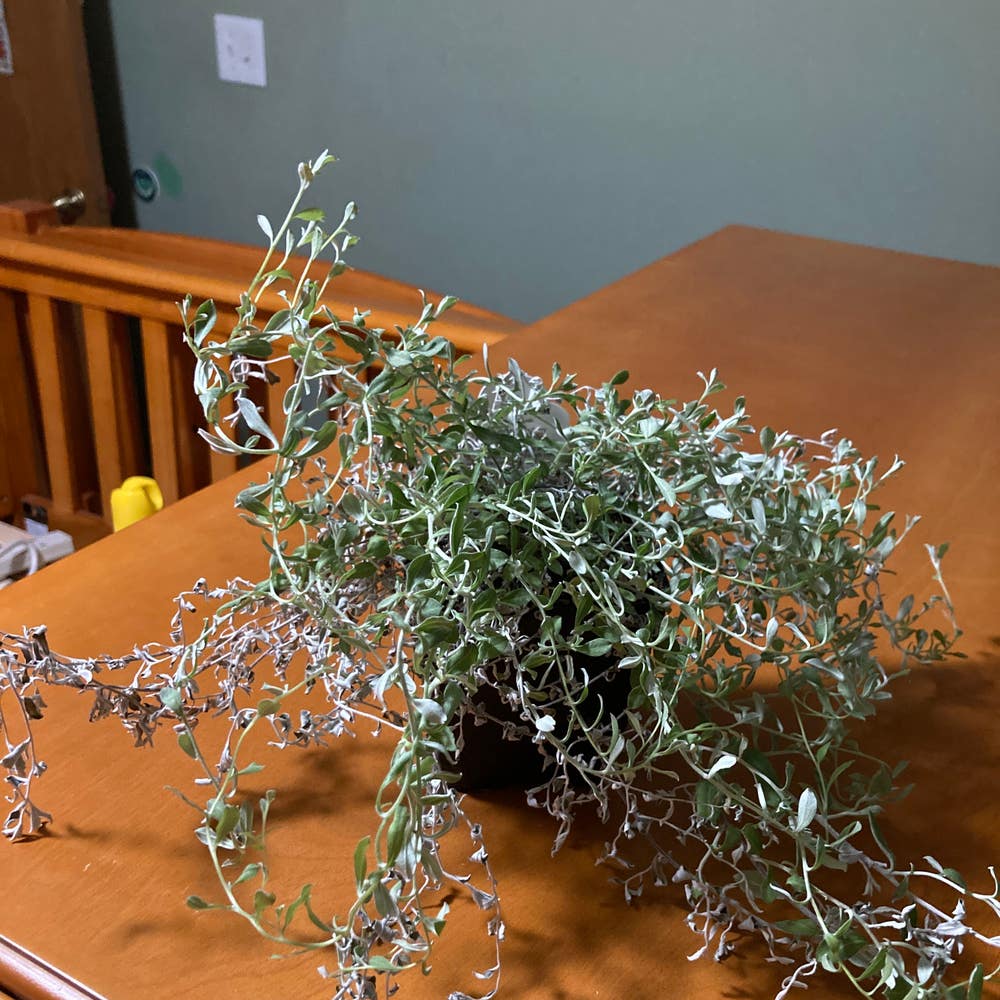
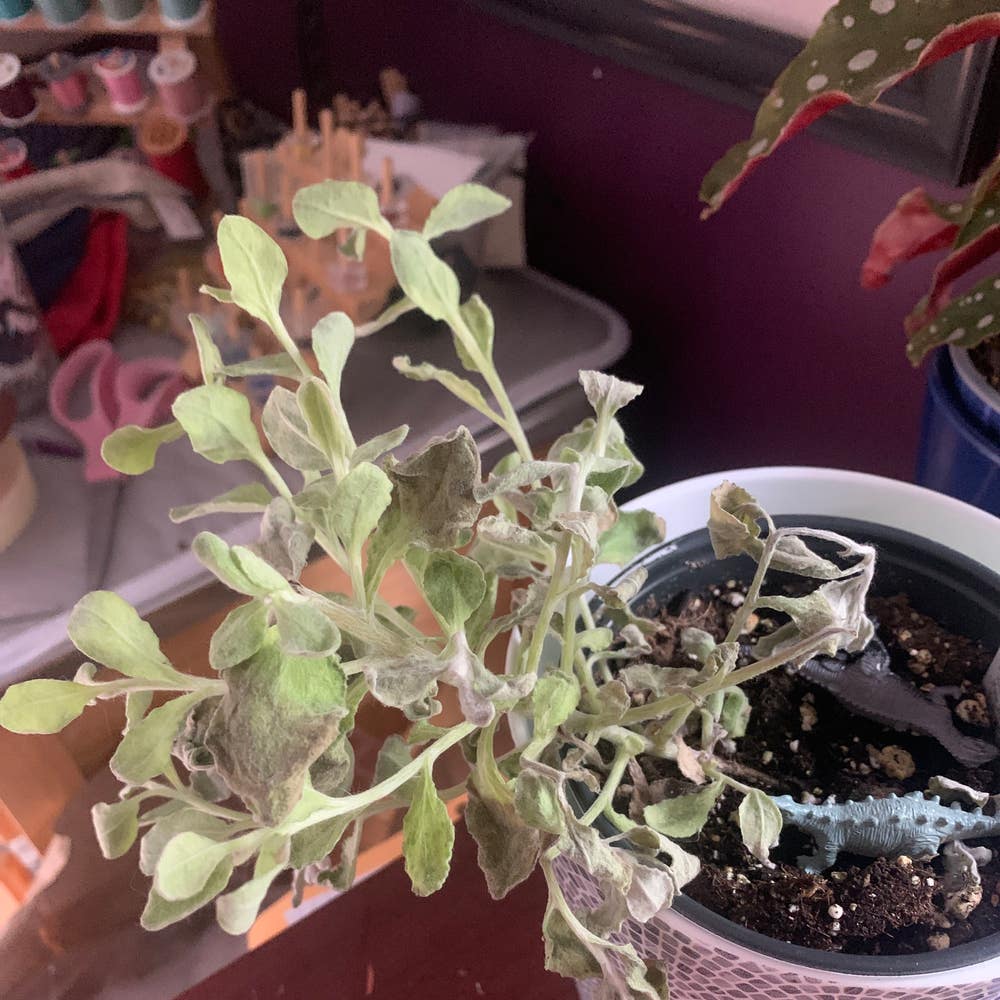
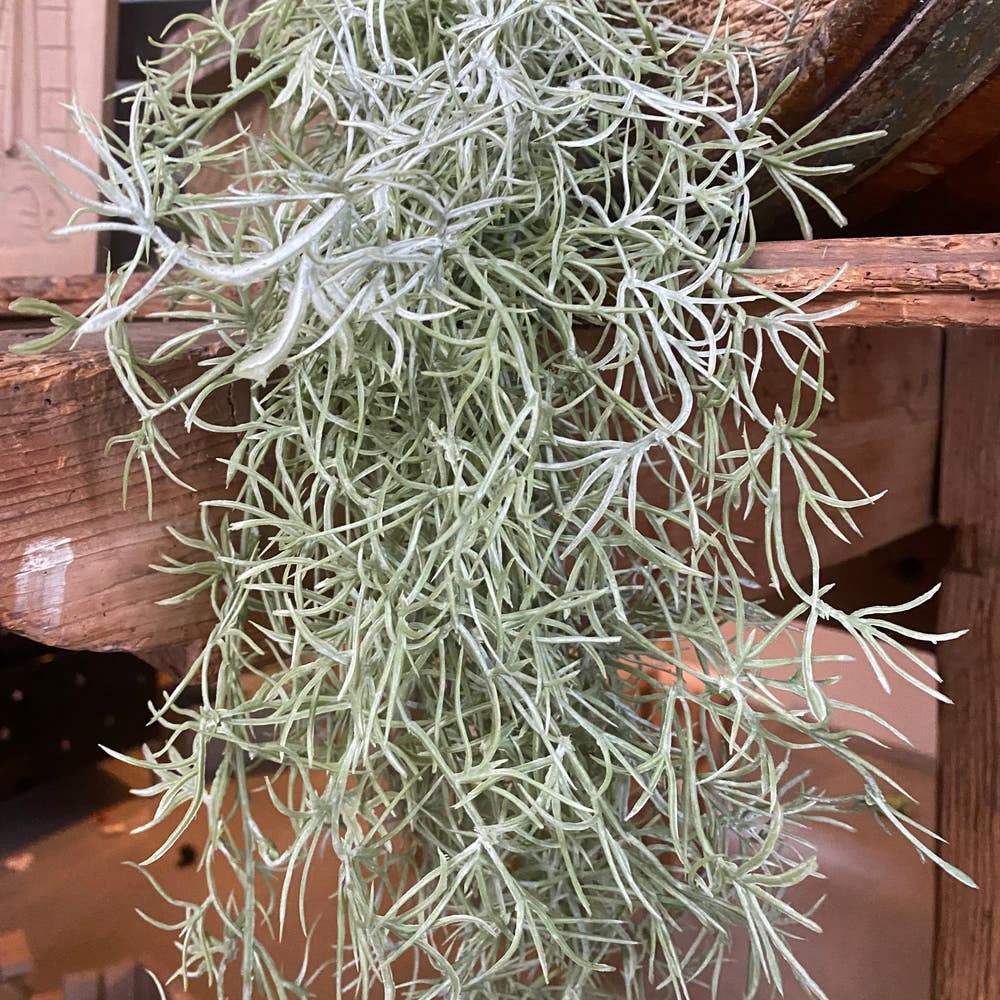
☀️ Ultimate Guide to Light Requirements for Everlasting
Helichrysum spp.
By the Greg Editorial Team
Oct 18, 2024•4 min read
This article was created with the help of AI so we can cover more plants for you. May contain errors. See one? Report it here.
- 🌞 Position plants near south-facing windows for optimal light exposure and health.
- 🔄 Rotate plants regularly to ensure even light distribution and prevent leggy growth.
- 💡 Use LED grow lights for energy-efficient, adjustable lighting tailored to plant needs.
Indoor Light Requirements
🌞 Natural Light Considerations
Ideal Indoor Locations
For optimal growth, position your plants near south-facing windows. This location provides maximum light exposure, essential for healthy development.
Rotating your plants regularly is crucial. It ensures even light distribution, preventing one side from becoming leggy or underdeveloped.
Duration of Light Exposure
Plants typically require a minimum of 6-8 hours of direct sunlight daily. Consistent exposure helps them thrive and flourish.
💡 Recommended Grow Light Types and Setups
Types of Grow Lights Suitable
When natural light isn't enough, consider using LED grow lights. They are energy-efficient and allow for an adjustable light spectrum tailored to your plants' needs.
Fluorescent lights are another excellent option, especially for seedlings and young plants. They provide a gentle light that encourages healthy growth.
Setup Recommendations
Maintain a distance of 12-24 inches between your grow lights and plants, depending on the type of light used. This distance helps prevent burning while ensuring adequate light reach.
For optimal growth, aim for a light cycle of 14-16 hours per day. This duration mimics natural conditions and supports robust plant health.
Transitioning to outdoor light requirements, understanding how sunlight exposure impacts your plants is essential for their overall success.
Outdoor Light Requirements
Ideal Sunlight Exposure 🌞
Understanding full sun requirements is crucial for your plants' health. Full sun means your plants need 6-8 hours of direct sunlight daily to thrive.
When planting in sunny locations, consider the orientation of your garden. Position plants where they receive unobstructed sunlight, avoiding areas shaded by buildings or trees.
Effects of Shade and Partial Sunlight 🌳
Not all plants require full sun; some can tolerate partial shade. Varieties like ferns and hostas thrive in less than full sun, making them perfect for shadier spots.
However, too much shade can stress plants. Look for signs like yellowing leaves or stunted growth, indicating they might need more light.
Impact of Environmental Factors 🌍
Environmental factors play a significant role in light exposure. Surrounding plants and structures can block sunlight, affecting your garden's overall health.
To ensure optimal growth, assess your garden's layout regularly. Adjust plant placements as needed to maximize sunlight exposure throughout the day.
With the right light conditions, your outdoor plants will flourish, setting the stage for vibrant blooms and lush foliage. Next, we’ll explore how light influences flowering in plants.
The Role of Light in Flowering
🌸 How Light Affects Blooming
Light is a crucial factor in the flowering process of plants. Consistent light exposure not only triggers blooms but also influences their quality and quantity.
⏰ Importance of Consistent Light
Plants thrive on routine, and a stable light schedule helps them understand when to bloom. Inconsistent lighting can lead to confusion, resulting in fewer flowers or delayed blooming.
🌱 Varieties Requiring Specific Light Conditions
Some plant varieties have unique light needs. For instance, certain flowering plants may require longer daylight hours, while others might flourish under shorter light cycles.
💡 Practical Tips for Optimal Flowering
To ensure your plants bloom beautifully, consider the following:
- Monitor Light Duration: Aim for 12-16 hours of light daily, depending on the species.
- Adjust Light Intensity: Use grow lights if natural light is insufficient, ensuring they mimic the sun’s spectrum.
Understanding the relationship between light and flowering can transform your gardening experience. With the right conditions, your plants will reward you with vibrant blooms and lush growth.
Next, let’s explore troubleshooting light-related issues to keep your plants thriving.
Troubleshooting Light-Related Issues
Signs of Insufficient Light 🌑
When your plants aren't getting enough light, they often show clear signs of distress.
Leggy Growth: This is characterized by stretched stems and sparse leaves, as plants reach for more light.
Reduced Flowering: You may notice fewer blooms or delayed flowering, signaling that your plants are struggling to thrive.
Adjusting Light Conditions for Optimal Growth 💡
Improving light exposure can make a world of difference for your plants.
Move to Brighter Locations: If possible, relocate your plants to areas with more natural light.
Utilize Reflective Surfaces: Mirrors or white walls can help bounce light around, enhancing distribution.
Recommendations for Adjusting Grow Light Settings ⚙️
If you're using grow lights, consider tweaking your setup for better results.
Increase Duration: Extending the light cycle can provide your plants with the extra boost they need.
Boost Intensity: If your plants still seem lackluster, increasing the intensity of your artificial light can help them flourish.
By paying attention to these signs and making necessary adjustments, you can create an optimal environment for your plants to thrive. Next, let’s explore how light plays a crucial role in flowering.
⚠️ Safety First
This content is for general information and may contain errors, omissions, or outdated details. It is not medical, veterinary advice, or an endorsement of therapeutic claims.
Always consult a qualified healthcare professional before using any plant as food, medicine, or supplement.
Never eat any plant (or feed one to pets) without confirming its identity with at least two trusted sources.
If you suspect poisoning, call Poison Control (800) 222-1222, the Pet Poison Helpline (800) 213-6680, or your local emergency service immediately.
Spotted an error? Please report it here.
Unlock vibrant blooms 🌼 by mastering your plants' light needs with Greg's tailored reminders and tips to ensure they bask in the perfect glow!