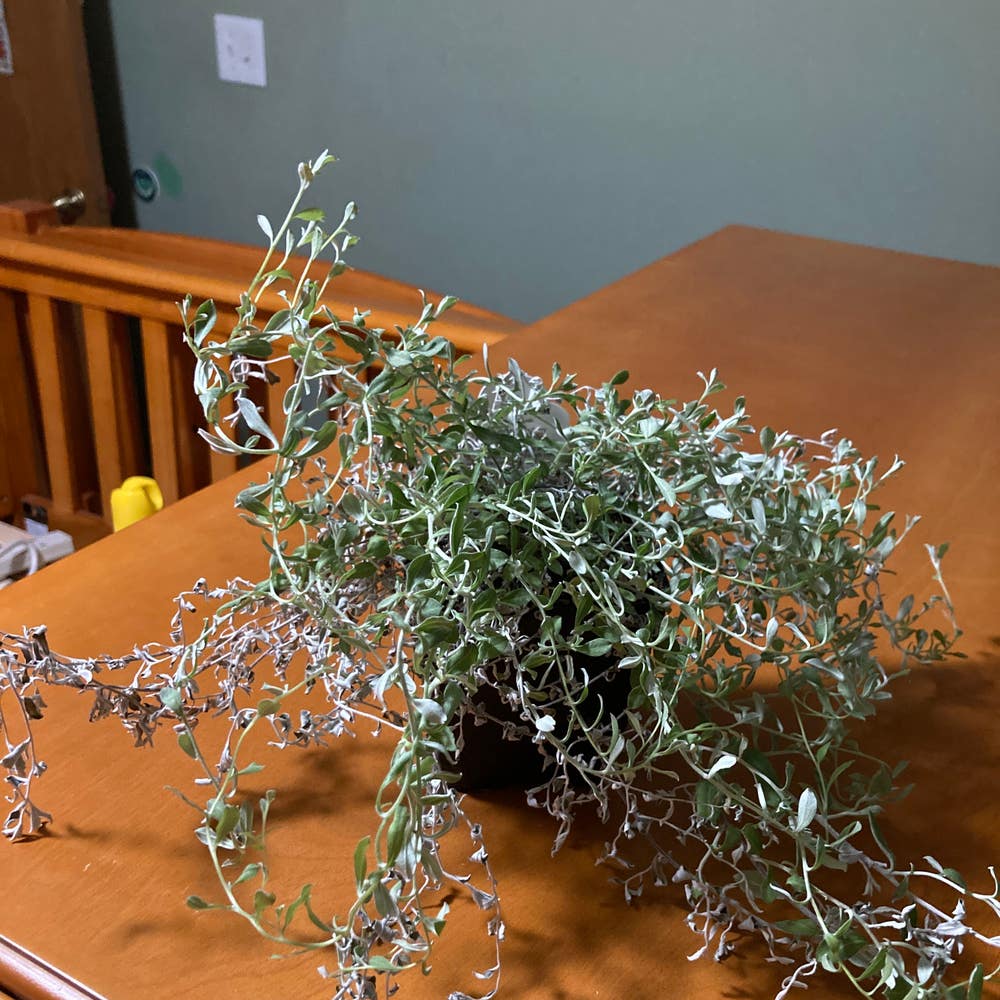
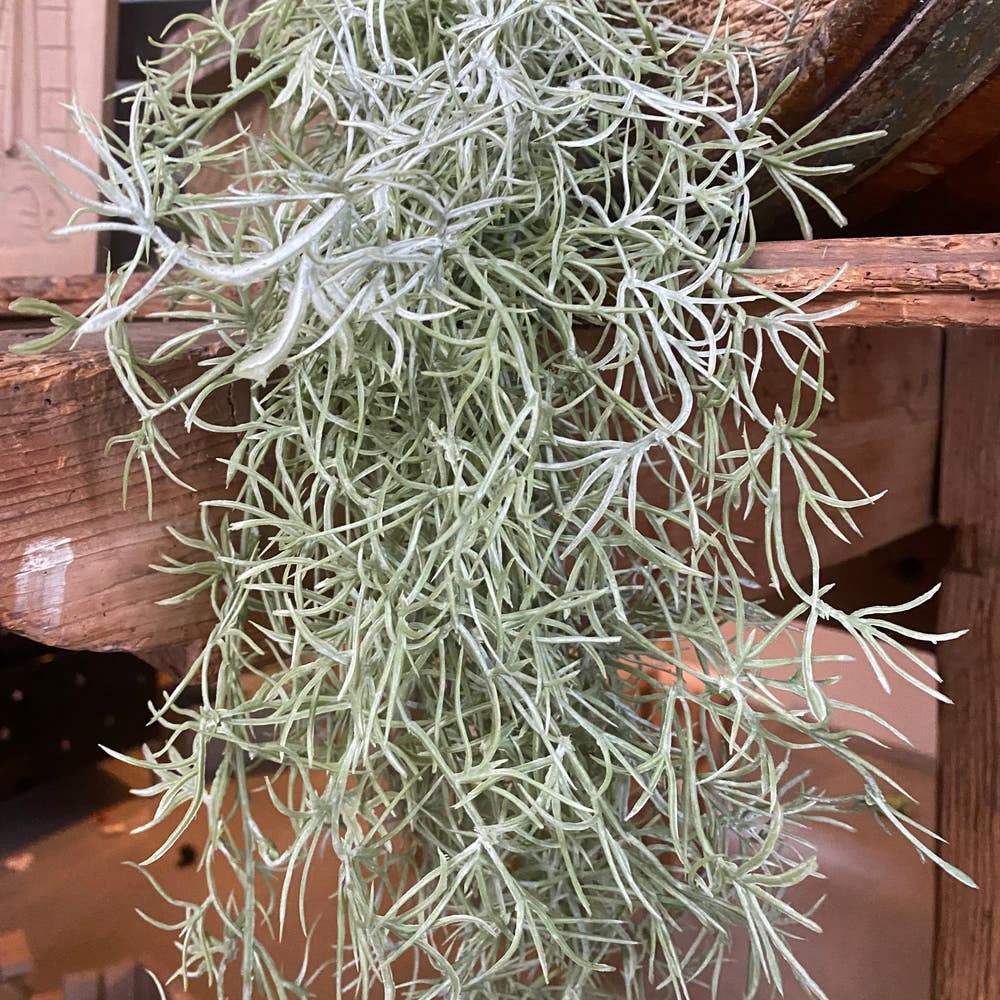
What to Do About Brown Spots on Your Everlasting 🟤
Helichrysum spp.
By the Greg Editorial Team
Oct 18, 2024•5 min read
This article was created with the help of AI so we can cover more plants for you. May contain errors. See one? Report it here.
- 🌱 Brown spots on Everlasting arise from stress, pests, or fungal infections.
- 💧 Overwatering and underwatering both cause brown spots; maintain consistent soil moisture.
- 🦠 Fungal infections thrive in humidity; improve air circulation to prevent them.
Causes of Brown Spots
🌡️ Environmental Stress Factors
Extreme temperatures can wreak havoc on your Everlasting plants. High heat often leads to leaf scorch, while sudden cold snaps can cause frost damage, both of which manifest as unsightly brown spots.
Soil conditions play a crucial role in plant health. Well-drained soils are essential for Everlasting, as compacted or poorly draining soils can severely impact root health, leading to stress and discoloration.
🍄 Fungal Infections and Diseases
Fungal diseases are common culprits behind brown spots. Powdery mildew is particularly notorious, thriving in humid conditions and poor air circulation, resulting in a white powdery coating and leaf discoloration.
Other fungal infections can also lead to leaf discoloration. High humidity and stagnant air create an ideal environment for these pathogens, making regular monitoring essential.
🐜 Pest Infestations
Pests like aphids and spider mites can significantly affect Everlasting health. Aphids often cause curling leaves and stunted growth, while spider mites create fine webbing and cause leaf yellowing.
Regular pest monitoring is vital for early detection. Catching infestations early can save your plants from extensive damage and keep them thriving.
🥦 Nutrient Deficiencies
Key nutrients such as nitrogen, phosphorus, and potassium are vital for Everlasting vigor. A deficiency in these nutrients can lead to yellowing leaves and stunted growth, ultimately resulting in brown spots.
Recognizing the symptoms of nutrient deficiencies is crucial. If your plants are struggling, a soil test can help identify what they need to flourish.
💧 Watering Issues
Watering practices can make or break your Everlasting plants. Overwatering often leads to root rot, which manifests as wilting and brown spots on leaves.
Conversely, underwatering can cause drought stress, leading to crispy, brown edges on leaves. Aim for consistent soil moisture to keep your plants healthy and vibrant.
Understanding these causes is the first step in addressing brown spots on your Everlasting. Next, we’ll explore how to diagnose these issues effectively.
Diagnosing Brown Spots
Identifying Symptoms 🌿
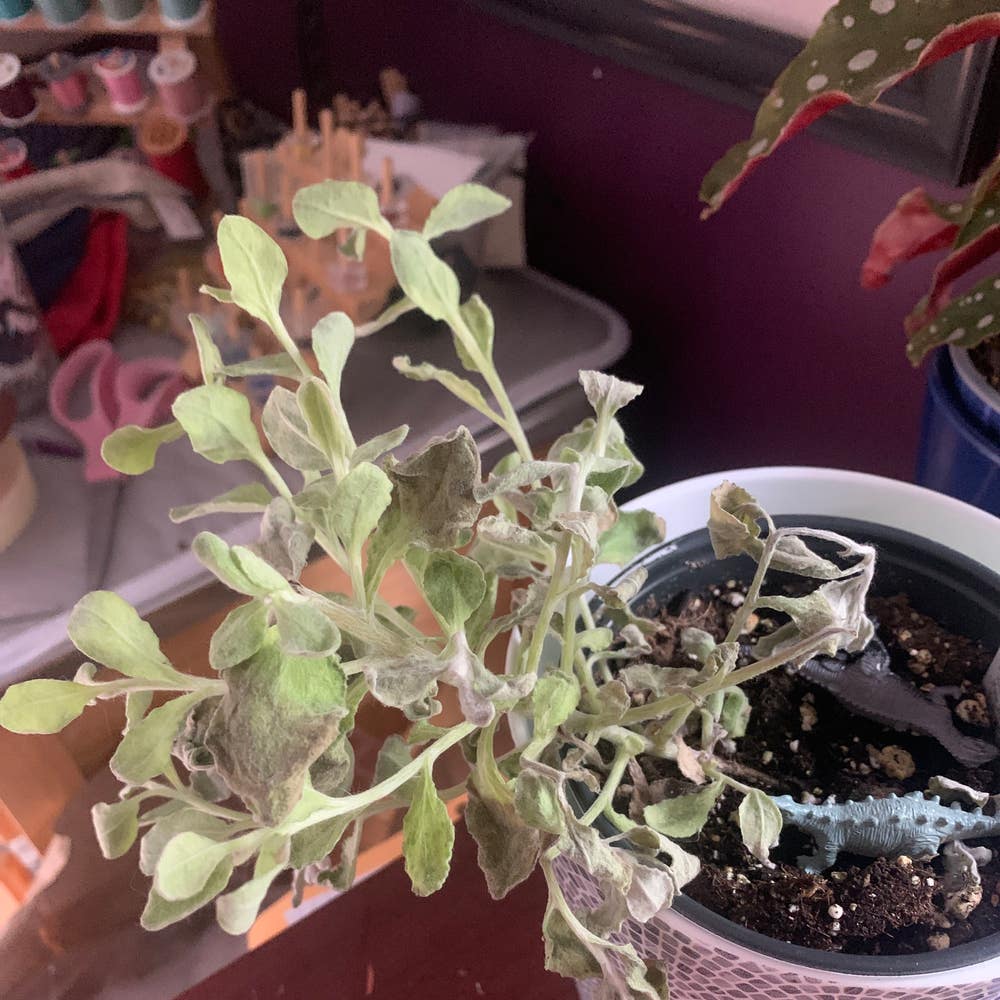
Brown spots on your Everlasting can vary in size and shape. Pay attention to their location on the leaves, as this can provide clues about the underlying issue.
Look for other symptoms like wilting, yellowing, or leaf drop. These signs can help you pinpoint the problem more accurately.
Differentiating Between Causes 🔍
To effectively diagnose the cause of brown spots, consider creating a simple flowchart. This guide can help you connect symptoms with potential issues.
Don’t forget to factor in environmental conditions, pest presence, and your watering practices. Each element plays a crucial role in your plant's health.
When to Seek Professional Help 🆘
Sometimes, despite your best efforts, problems persist. If you notice ongoing issues that don’t improve with treatment, it might be time to consult an expert.
Extensive damage to your plant is another clear sign that professional intervention is needed. Don’t hesitate to seek help when your Everlasting needs it.
Treating Brown Spots
🦠 Step-by-Step Treatment for Fungal Infections
Identifying the type of fungal infection is crucial. Common culprits include powdery mildew and leaf spot diseases.
Once identified, remove any affected leaves to prevent the spread of the infection. This simple step can significantly improve your plant's health.
Next, apply an appropriate fungicide. Look for products specifically designed for the type of fungus affecting your Everlasting, and follow the application instructions carefully.
Finally, improve air circulation around the plant. This can be achieved by spacing plants adequately and pruning excess foliage.
🐛 Pest Control Methods
Regular inspections are key to catching pest infestations early. Look for signs like discolored leaves or webbing, which indicate common pests such as aphids and spider mites.
If you spot pests, treat your plants with insecticidal soap or neem oil. Apply these treatments every 7-14 days for best results.
Consider introducing beneficial insects, like ladybugs, to your garden. They can help keep pest populations in check naturally.
💧 Adjusting Watering Practices
Start by assessing your current watering schedule. Take note of how often and how much water you provide.
Implement a consistent watering routine based on your plant's needs. Check soil moisture regularly to ensure it’s neither too dry nor too soggy.
Using the Greg plant care app can help you stay on track. Set reminders for watering and other care tasks to keep your Everlasting thriving.
🌱 Nutrient Supplementation
Conducting a soil test is the first step to identifying nutrient deficiencies. This will help you understand what your plant needs.
Choose appropriate fertilizers based on the test results. Follow the recommended application rates to avoid over-fertilizing.
Finally, monitor your plant's response to supplementation. Adjust your approach as needed to ensure optimal growth and health.
By addressing these key areas, you can effectively treat and prevent brown spots on your Everlasting. Next, let’s explore how to prevent these issues from arising in the first place.
Preventing Brown Spots
🌱 Best Practices for Care
Proper planting techniques are crucial for the health of your Everlasting. Ensure adequate spacing and well-prepared soil to promote strong root development.
Regular pruning is another essential practice. It helps improve air circulation, reducing the risk of fungal infections and promoting overall plant vigor.
☀️ Ideal Growing Conditions
Everlastings thrive in full sun, requiring 6-8 hours of sunlight daily. This exposure not only boosts growth but also enhances flower production.
Soil moisture is equally important. Maintain consistent moisture during the growing season to prevent stress that can lead to brown spots.
🍂 Seasonal Care Tips
Adjust your care practices with the changing seasons. In winter, consider protective measures like mulching to shield roots from frost.
During summer, be mindful of watering adjustments. Increased temperatures may necessitate more frequent watering to keep your plants hydrated.
🔍 Regular Monitoring and Maintenance
Routine inspections are vital for early detection of potential issues. Regularly check for signs of stress or pests to address problems before they escalate.
Keeping a care log can be incredibly beneficial. Documenting plant health and interventions helps you track progress and refine your care strategies over time.
By implementing these preventive measures, you can significantly reduce the occurrence of brown spots on your Everlasting, ensuring a vibrant and healthy plant. Next, let’s explore how to diagnose brown spots effectively.
⚠️ Safety First
This content is for general information and may contain errors, omissions, or outdated details. It is not medical, veterinary advice, or an endorsement of therapeutic claims.
Always consult a qualified healthcare professional before using any plant as food, medicine, or supplement.
Never eat any plant (or feed one to pets) without confirming its identity with at least two trusted sources.
If you suspect poisoning, call Poison Control (800) 222-1222, the Pet Poison Helpline (800) 213-6680, or your local emergency service immediately.
Spotted an error? Please report it here.
Keep your Everlasting plants spotless 🌿 by using Greg's tailored care reminders to tackle environmental stress, pests, and nutrient needs for vibrant growth!