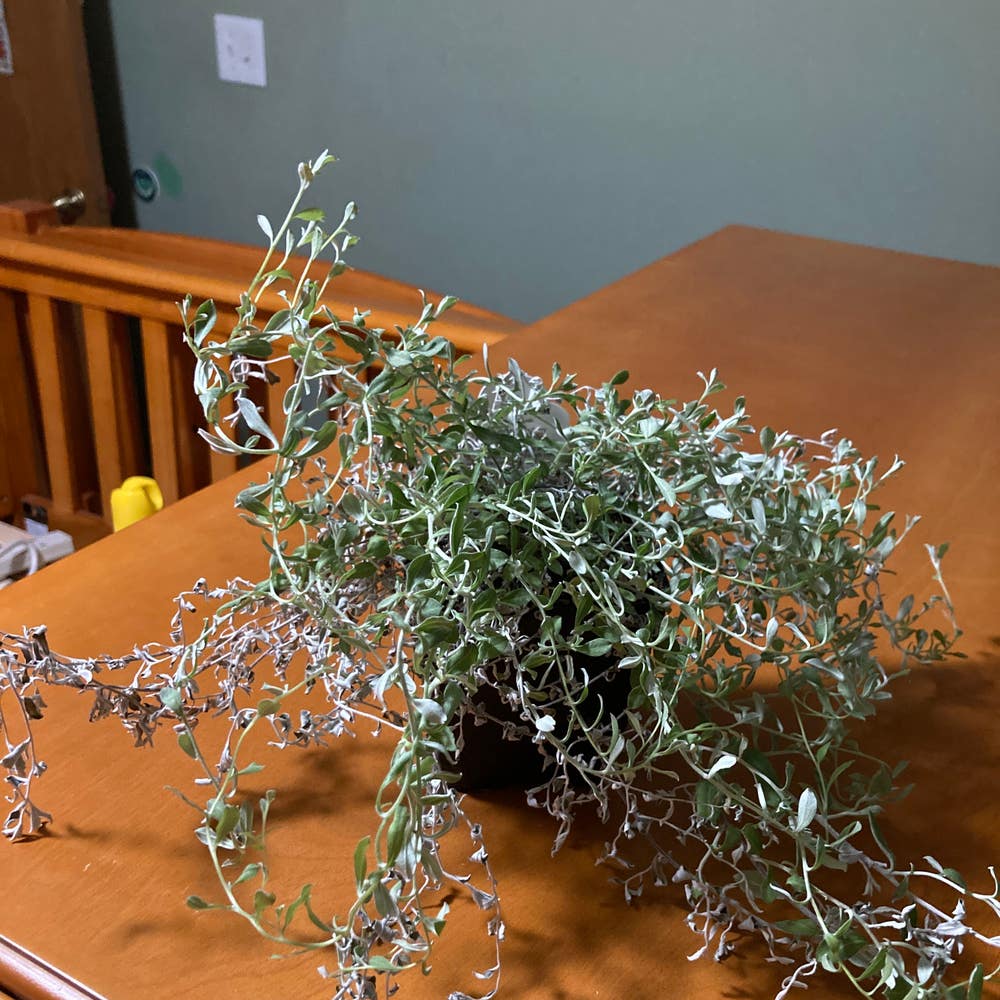
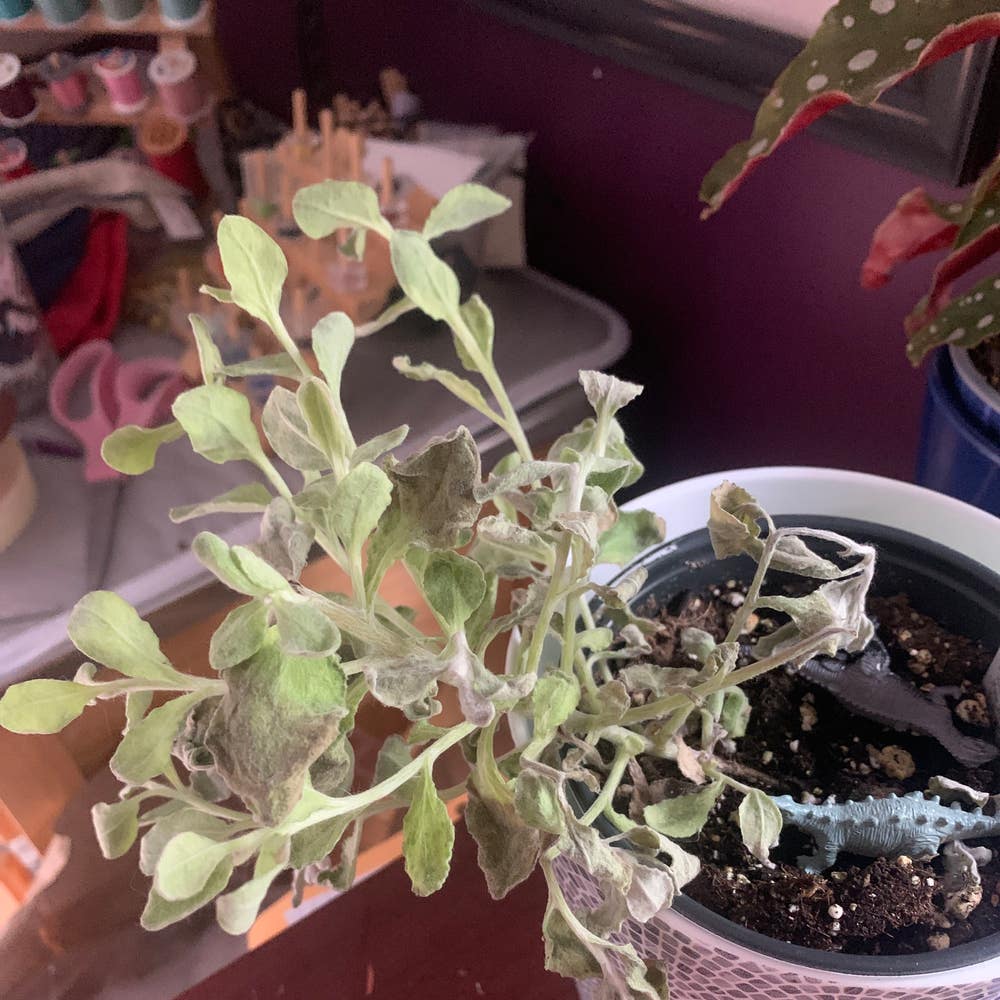
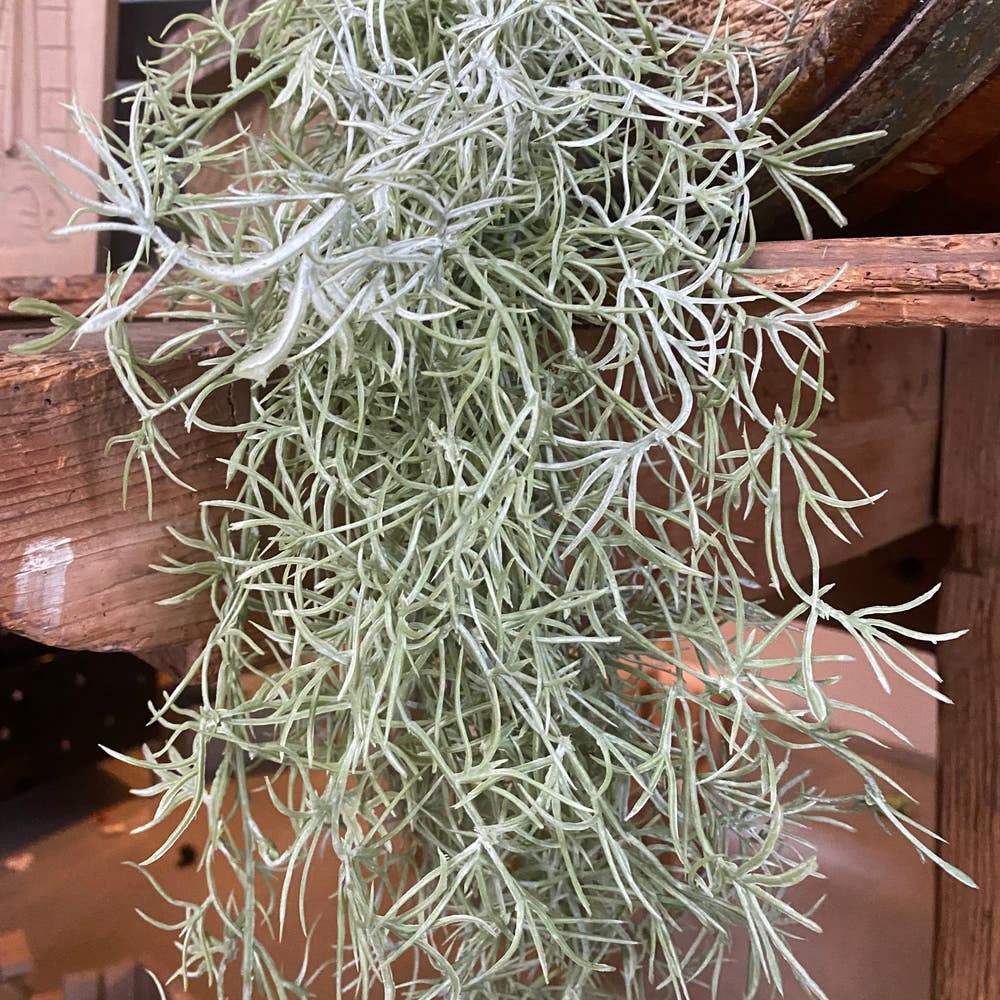
Best Tips for Droopy Leaves on Everlasting 😢
Helichrysum spp.
By the Greg Editorial Team
Oct 18, 2024•5 min read
This article was created with the help of AI so we can cover more plants for you. May contain errors. See one? Report it here.
- 💧 Overwatering causes droopy leaves; look for yellowing and wet soil signs.
- 🌞 Ensure 6-8 hours of sunlight daily for healthy Everlasting plants.
- 🌱 Regular inspections for pests prevent droopy leaves and promote plant vitality.
Watering Practices
💧 Signs of Overwatering
Overwatering can be a sneaky culprit behind droopy leaves. Look for yellowing leaves, which indicate root suffocation, and wilting despite wet soil, signaling that roots can't absorb water.
Another sign is mold or algae growth on the soil surface. This not only looks unappealing but also suggests that your plant is drowning.
🌊 Signs of Underwatering
On the flip side, underwatering can also lead to droopy leaves. Crispy leaf edges are a clear indication of dehydration, while sudden leaf drop can signal stress.
If you notice the soil pulling away from the pot edges, it’s a sign of extreme dryness. Your plant is crying out for a drink!
📅 Best Watering Schedule
To keep your everlasting plant thriving, aim to water every 1-2 weeks. Allow the soil to dry out between waterings to prevent root issues.
Adjust your watering frequency with the seasons. Increase it during hot months and decrease it when temperatures drop. Consider using the Greg plant care app to set reminders for optimal watering times, ensuring your plant gets the care it needs.
With proper watering practices, your everlasting plant will flourish, setting the stage for the next topic: soil and nutrient requirements.
Soil and Nutrient Requirements
Ideal Soil Composition 🌱
To keep your Everlasting thriving, start with a well-draining soil mix. A combination of sandy loam and perlite works wonders, ensuring that excess water drains away efficiently.
The pH level is also crucial; aim for a slightly acidic to neutral range of 6.0 to 7.0. This balance helps your plant absorb nutrients effectively, preventing droopy leaves caused by waterlogging.
Nutrient Deficiencies ⚠️
Watch out for signs of nutrient deficiencies, as they can lead to droopy leaves. A nitrogen deficiency often manifests as yellowing and drooping foliage, signaling that your plant isn't getting enough essential nutrients.
Potassium deficiency is another culprit, resulting in weak stems and droopy leaves. Keep an eye out for leaf discoloration and stunted growth, as these can indicate a nutrient imbalance that needs addressing.
Understanding these soil and nutrient requirements is key to maintaining the health of your Everlasting. With the right care, you can prevent droopiness and promote vibrant growth.
Next, let’s explore the light and temperature conditions that will further support your plant’s vitality.
Light and Temperature Conditions
Optimal Light Conditions 🌞
For Everlasting plants, full sun is non-negotiable. They thrive on 6-8 hours of direct sunlight daily, which is essential for robust growth.
Insufficient light can lead to weak growth and droopy leaves. If your plant is not getting enough sun, it’s time to find a brighter spot.
Effects of Temperature Fluctuations 🌡️
The ideal temperature range for Everlasting plants is between 20°C to 30°C (68°F to 86°F). Staying within this range helps maintain their health and vitality.
Extreme temperatures can cause stress, leading to droopiness. Whether it’s heat stress or cold shock, your plant will show signs of distress if conditions aren’t right.
Understanding these light and temperature needs is crucial for keeping your Everlasting plants vibrant. Next, let’s explore how to manage pests and diseases effectively.
Pest and Disease Management
🐜 Common Pests
Pests can wreak havoc on your everlasting plants, leading to droopy leaves and overall decline.
Aphids
These tiny insects often cluster on new growth, sucking sap and causing leaves to curl. Look for sticky residue or a black sooty mold as signs of an infestation.
Spider Mites
These minuscule pests thrive in dry conditions, leaving fine webbing on leaves. Symptoms include yellowing and stippling, which can weaken your plant significantly.
🧪 Treatment Options
To combat these pests, consider using insecticidal soap or neem oil. Both are effective and less harmful to beneficial insects.
🦠 Identifying Diseases
Diseases can also contribute to droopy leaves, so it's crucial to recognize the signs early.
Root Rot
This condition often arises from overwatering, leading to dark, mushy roots. If your plant is wilting despite wet soil, root rot might be the culprit.
Fungal Infections
Look for spots or discoloration on leaves. Fungal issues can spread quickly, so timely identification is key.
🌱 Treatment Options
For pest management, organic control methods like diatomaceous earth can be effective.
⚗️ Chemical Treatments
In severe cases, pesticides may be necessary. Always follow label instructions and consider the impact on surrounding plants.
👀 Importance of Early Detection
Catching issues early can save your plants from severe damage. Regular inspections can help you stay ahead of potential problems.
With a solid understanding of pest and disease management, you can keep your everlasting plants thriving. Next, let’s explore preventive measures and maintenance to ensure long-term health.
Preventive Measures and Maintenance
Regular Care Routines 🌱
Routine inspections are essential for keeping your Everlasting healthy. Regularly check for pests and diseases to catch any issues early.
Establishing consistent watering practices is crucial. Aim for a reliable schedule that allows your plants to thrive without stress.
Fertilization plays a key role in plant health. Feed your Everlasting monthly during the growing season to ensure they receive the nutrients they need.
Seasonal Adjustments 🌦️
Adjusting your watering frequency is vital as seasons change. Be mindful of the weather and modify your schedule accordingly.
Preparing for winter is another important step. Protect your plants from cold stress by providing adequate shelter or moving them indoors.
Pruning is a simple yet effective way to promote health. Remove any dead or damaged leaves to encourage new growth and vitality.
By following these preventive measures, you can maintain the health of your Everlasting and enjoy their beauty year-round. Next, let's explore how light and temperature conditions affect their growth.
⚠️ Safety First
This content is for general information and may contain errors, omissions, or outdated details. It is not medical, veterinary advice, or an endorsement of therapeutic claims.
Always consult a qualified healthcare professional before using any plant as food, medicine, or supplement.
Never eat any plant (or feed one to pets) without confirming its identity with at least two trusted sources.
If you suspect poisoning, call Poison Control (800) 222-1222, the Pet Poison Helpline (800) 213-6680, or your local emergency service immediately.
Spotted an error? Please report it here.
Keep your Everlasting plants thriving 🌿 by using Greg's tailored reminders and expert tips to master watering, soil, and pest control for vibrant, droopy-free leaves!