Ultimate Guide to Everlasting Size ⏳
Helichrysum spp.
By the Greg Editorial Team
Oct 18, 2024•5 min read
This article was created with the help of AI so we can cover more plants for you. May contain errors. See one? Report it here.
- 🌱 Everlasting plants grow 12 to 36 inches tall, depending on variety and conditions.
- ☀️ Full sun exposure boosts growth rates; optimal care leads to 1-2 feet per year.
- 🌿 Soil quality and watering are crucial for healthy, robust Everlasting plants.
Mature Height and Spread
Typical Dimensions 🌱
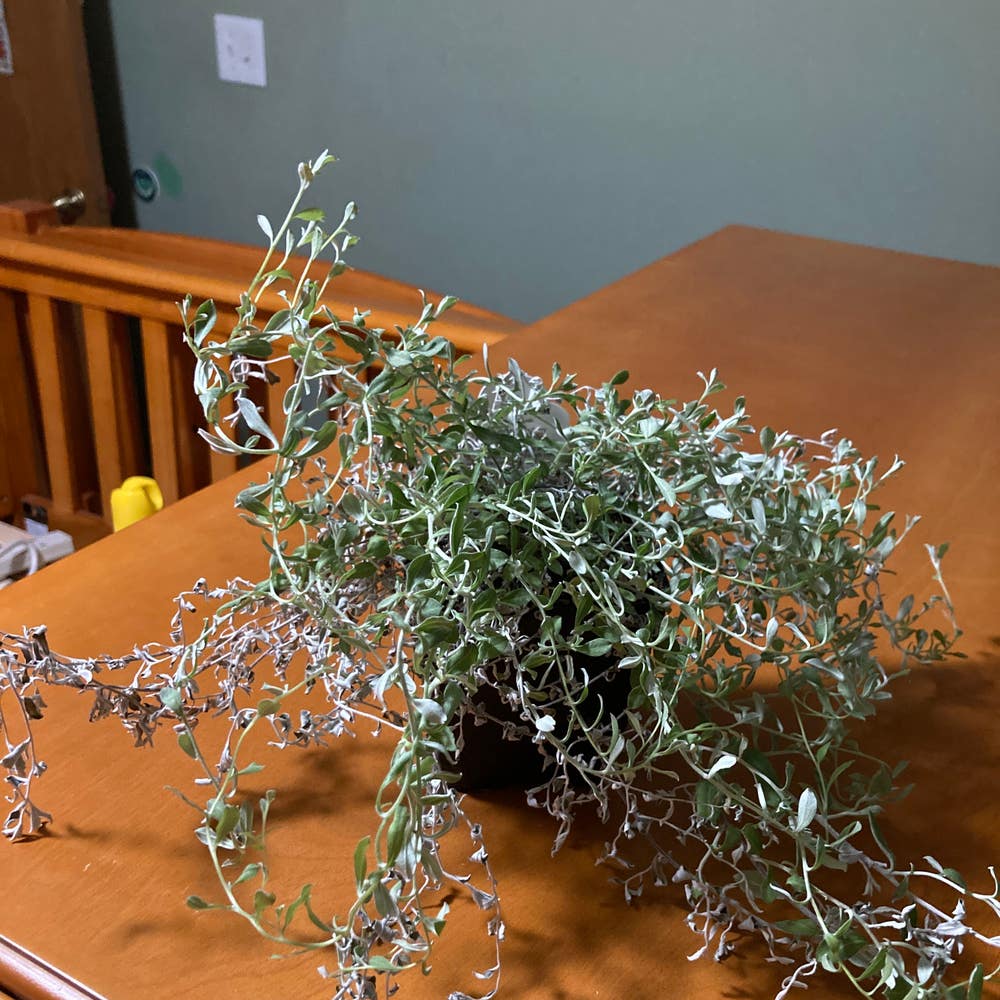
Mature Everlasting plants can reach impressive heights, ranging from 12 to 36 inches. Their spread typically spans 12 to 24 inches, making them a versatile choice for various garden settings.
Size Variability 📏
Several factors influence the height and spread of Everlasting plants.
- Variety: Dwarf varieties may only reach 12 inches, while giant varieties can exceed 36 inches.
- Growing Conditions: Soil quality, light exposure, and water availability play crucial roles in determining plant dimensions.
Understanding these aspects helps you choose the right variety for your garden and ensures optimal growth.
As you plan your garden, consider how these factors can shape your Everlasting plants' final appearance. This knowledge sets the stage for exploring their growth rate and how to manage their size effectively.
Growth Rate
🌱 General Growth Rate
The average growth rate of Everlasting plants is moderate, typically reaching 1 to 2 feet per year under optimal conditions. This steady growth allows gardeners to enjoy a vibrant display without excessive waiting.
⚙️ Influencing Factors
Several factors can significantly impact growth rates.
Soil Fertility
Rich, well-draining soil is crucial for promoting faster growth. Nutrient-dense soil provides the essential elements that Everlasting plants need to thrive.
💧 Watering Frequency
Consistent moisture is key for quicker establishment and growth. Regular watering helps the plant develop a robust root system, leading to healthier growth.
☀️ Light Conditions
Full sun exposure enhances growth rates compared to partial shade. Ensuring your Everlasting plants receive ample sunlight can make a noticeable difference in their overall vigor.
Understanding these factors can help you create the ideal environment for your Everlasting plants, ensuring they flourish beautifully. As we explore the next section, we'll look at the timeline for these plants to reach their full size.
Time to Reach Full Size
🌱 Growth Timeline
Everlasting plants typically take about 2 to 3 years to reach their full size. This timeframe allows them to establish strong roots and develop robust foliage.
🌼 Seasonal Growth Patterns
🌸 Spring: Rapid Growth Phase
As temperatures rise, Everlasting plants enter a rapid growth phase. This is the time to watch for new shoots and vibrant green leaves.
☀️ Summer: Peak Growth Period
During summer, growth peaks, and plants thrive. It's crucial to monitor their water needs, as consistent moisture supports their vigorous growth.
🍂 Fall: Preparing for Dormancy
In the fall, growth slows as the plant prepares for dormancy. This transition is natural, signaling the end of the active growing season.
Understanding these growth patterns helps you anticipate your Everlasting's needs throughout the year. With proper care, you can enjoy a flourishing plant that reaches its full potential.
Next, we’ll explore how various environmental factors can influence size variability.
Size Variability Based on Conditions
Environmental Influences 🌍
The size of Everlasting plants can vary significantly based on environmental conditions. Understanding these factors can help you optimize growth.
Soil Type 🏞️
Soil type plays a crucial role in plant size. Sandy soils often limit growth due to poor nutrient retention, while loamy soils provide a balanced environment that enhances size and health.
Light Exposure ☀️
Light exposure is another key factor. Everlastings thrive in full sun, leading to greater height and spread. In contrast, those in partial shade may not reach their full potential.
Water Availability 💧
Water availability is equally important. Overwatering can lead to root rot, stunting growth, while drought conditions can cause stress and limit size. Consistent moisture is essential for optimal development.
By paying attention to these environmental influences, you can better manage the size of your Everlasting plants. This knowledge will set the stage for effective growth control techniques in the next section.
Controlling Size
Managing the size of your Everlasting plants is crucial for their health and aesthetics. With the right techniques, you can ensure they thrive without becoming unruly.
✂️ Pruning Techniques
Timing is everything when it comes to pruning. The best time to prune is early spring, just before new growth begins.
Methods
- Pinching Back: This involves removing the tips of stems. It encourages bushier growth, making your plants fuller and more vibrant.
- Thinning: By removing older stems, you improve air circulation and light penetration. This helps prevent diseases and promotes healthier growth.
📏 Methods to Manage Growth
Proper spacing is essential for your Everlasting plants. Aim for a distance of 12 to 18 inches apart to prevent overcrowding.
Pot Size
For container-grown Everlasting, choose larger pots. This allows for more extensive root systems, leading to healthier plants.
🌱 Seasonal Considerations for Size Control
Spring is the ideal time for pruning. It’s when you can shape and control the size effectively.
Late Summer Monitoring
As summer winds down, keep an eye on growth. Adjust your pruning as needed to maintain the desired dimensions and keep your plants looking their best.
By mastering these size control techniques, you’ll ensure your Everlasting plants remain healthy and visually appealing. Next, let’s explore how environmental factors influence their growth.
⚠️ Safety First
This content is for general information and may contain errors, omissions, or outdated details. It is not medical, veterinary advice, or an endorsement of therapeutic claims.
Always consult a qualified healthcare professional before using any plant as food, medicine, or supplement.
Never eat any plant (or feed one to pets) without confirming its identity with at least two trusted sources.
If you suspect poisoning, call Poison Control (800) 222-1222, the Pet Poison Helpline (800) 213-6680, or your local emergency service immediately.
Spotted an error? Please report it here.
Unlock the secrets to nurturing Everlasting plants and watch them reach their full potential 🌿 with Greg's personalized care tips and watering reminders that keep your garden thriving!