🌼 Everlasting Is a Garden Plant, Not a Weed
Helichrysum spp.
By the Greg Editorial Team
Oct 18, 2024•5 min read
This article was created with the help of AI so we can cover more plants for you. May contain errors. See one? Report it here.
- 🌼 Everlasting is a garden-friendly plant, unlike invasive species that harm ecosystems.
- 🐝 Attracts pollinators like bees and butterflies, enhancing garden health and biodiversity.
- 🌱 Low-maintenance and drought-tolerant, Everlasting thrives in well-drained soils with moderate moisture.
Plant Classification
Definition of Invasive Species 🌱
Invasive species are plants that exhibit certain traits making them problematic in new environments. They typically show rapid growth and spread, displacing native species and negatively impacting local ecosystems.
These plants can dominate landscapes, outcompeting local flora for resources. This aggressive behavior disrupts the balance of ecosystems, leading to a decline in biodiversity.
Everlasting's Non-Invasive Nature 🌼
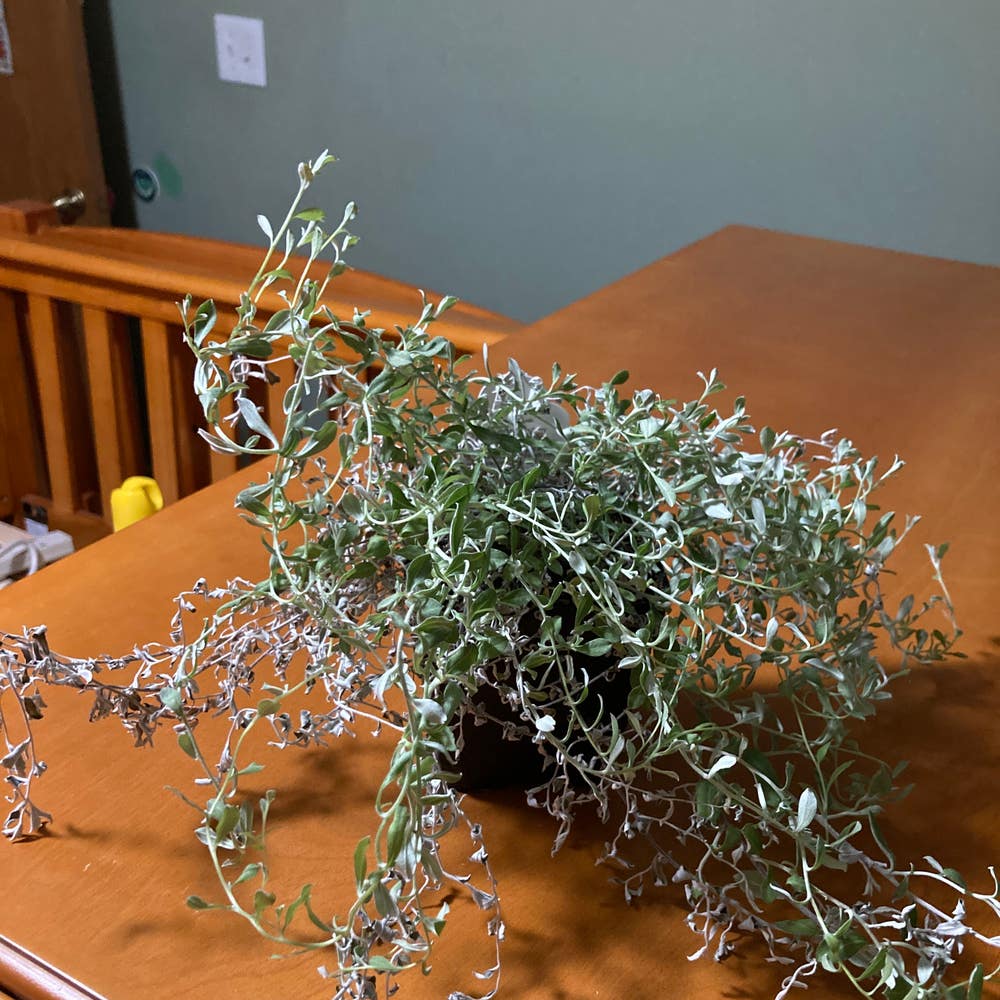
Everlasting, on the other hand, is a garden-friendly plant with a limited spread potential. It grows in clumps, maintaining controlled growth patterns that prevent it from becoming a nuisance.
This non-aggressive nature means it doesn't significantly outcompete native plants. Instead, Everlasting contributes positively to biodiversity by attracting pollinators without overwhelming garden spaces.
Incorporating Everlasting into your garden not only enhances its beauty but also supports local wildlife. Its presence fosters a thriving ecosystem, making it a wise choice for any garden enthusiast.
Growth Habits
Typical Growth Patterns in Gardens 🌼
Everlasting plants exhibit a charming clumping habit, characterized by upright stems adorned with long-lasting flowers. They typically reach heights of 1 to 3 feet and spread about 1 to 2 feet, making them an attractive addition to any garden.
Natural Limits to Growth 🌱
These plants thrive in well-drained soils, which naturally limits their spread in heavy or poorly drained conditions. While they can tolerate drought, they prefer moderate moisture levels for optimal growth.
Spread Potential and Management ✂️
Everlasting has limited self-seeding tendencies, making it easy to manage through simple deadheading. Regular pruning is also recommended to maintain their shape and prevent overcrowding, ensuring a tidy garden appearance.
Incorporating Everlasting into your garden not only enhances its beauty but also supports local ecosystems. As we explore its ecological role next, you'll discover how this plant contributes to a vibrant garden environment.
Ecological Role
🌼 Benefits in Gardens
Everlasting plants are a magnet for pollinators. Bees and butterflies flock to their vibrant flowers, boosting pollination and enhancing the overall health of your garden.
These plants also support biodiversity. They provide essential habitat and food sources for various beneficial insects, creating a thriving ecosystem right in your backyard.
🦋 Positive Interactions with Local Wildlife
In the food web, Everlasting plays a vital role. It serves as a nectar source for pollinators and offers a habitat for beneficial insects, making it a cornerstone of garden ecology.
Moreover, Everlasting is compatible with native plants. This compatibility enhances the ecological balance in garden settings, allowing for a harmonious blend of flora that benefits both plants and wildlife alike.
Incorporating Everlasting into your garden not only beautifies your space but also fosters a vibrant ecosystem. As we explore garden management next, consider how these plants can be strategically integrated for maximum ecological benefit.
Garden Management
Incorporating Everlasting into Garden Designs 🌼
Everlasting plants are versatile and can elevate any garden design. Use them in borders, mixed beds, or as striking focal points in perennial gardens to create visual interest.
Companion planting is another effective strategy. Pair Everlasting with other wildlife-friendly plants to enhance biodiversity and attract beneficial insects.
Aesthetic Considerations for Growth Control ✂️
To maintain the shape of your Everlasting, regular pruning is essential. Deadheading spent flowers and cutting back after flowering keeps the plant looking tidy and encourages new growth.
Spacing is equally important. Plant Everlasting at least 12-18 inches apart to ensure adequate air circulation and prevent overcrowding.
Incorporating these practices will not only enhance the beauty of your garden but also support a thriving ecosystem. As you plan your garden, consider how Everlasting can contribute to a vibrant, sustainable environment.
Comparison to Other Plants
🌱 Similar Non-Invasive Plants
When considering non-invasive options for your garden, plants like Statice and Yarrow stand out. These drought-resistant perennials share similar growth habits, thriving in various conditions while supporting local ecosystems.
🌼 Unique Qualities of Everlasting
Everlasting is particularly notable for its long-lasting flowers, making it a favorite for dried arrangements. Its exceptional drought tolerance allows it to flourish in dry conditions, outshining many traditional garden plants.
🌍 Benefits of Choosing Everlasting Over Other Plants
Opting for Everlasting means embracing a low-maintenance choice that requires less water and care than many conventional flowers. Additionally, it enhances biodiversity, providing essential support for local wildlife and contributing to a healthier garden environment.
Incorporating Everlasting into your garden not only beautifies your space but also aligns with sustainable gardening practices. Next, let’s explore the legal and environmental considerations surrounding this remarkable plant.
Legal and Environmental Considerations
Relevant Classifications and Guidelines 🌍
Before planting Everlasting, it's essential to check local regulations. Some areas may have specific guidelines regarding the introduction of non-native plants.
Understanding its native plant status is also crucial. Everlasting may be classified differently depending on your region, impacting its acceptance in native plant initiatives.
Role in Sustainable Gardening Practices ♻️
Everlasting contributes significantly to sustainable ecosystems. As a non-invasive plant, it reduces the need for chemical interventions, promoting a healthier garden environment.
Encouraging biodiversity is another key benefit. By incorporating Everlasting into your garden, you support a diverse range of plant and animal life, creating a vibrant ecosystem.
This thoughtful approach to gardening not only enhances your space but also fosters a sense of responsibility towards the environment.
As we explore the next section, consider how Everlasting can fit into your garden design while supporting local wildlife.
⚠️ Safety First
This content is for general information and may contain errors, omissions, or outdated details. It is not medical, veterinary advice, or an endorsement of therapeutic claims.
Always consult a qualified healthcare professional before using any plant as food, medicine, or supplement.
Never eat any plant (or feed one to pets) without confirming its identity with at least two trusted sources.
If you suspect poisoning, call Poison Control (800) 222-1222, the Pet Poison Helpline (800) 213-6680, or your local emergency service immediately.
Spotted an error? Please report it here.
Cultivate a thriving garden with Everlasting 🌼, and let Greg provide personalized care tips and reminders to help you nurture this beautiful, pollinator-friendly plant effortlessly!