4 Ideal Locations to Plant Echeveria 'Blue Prince' 🌵
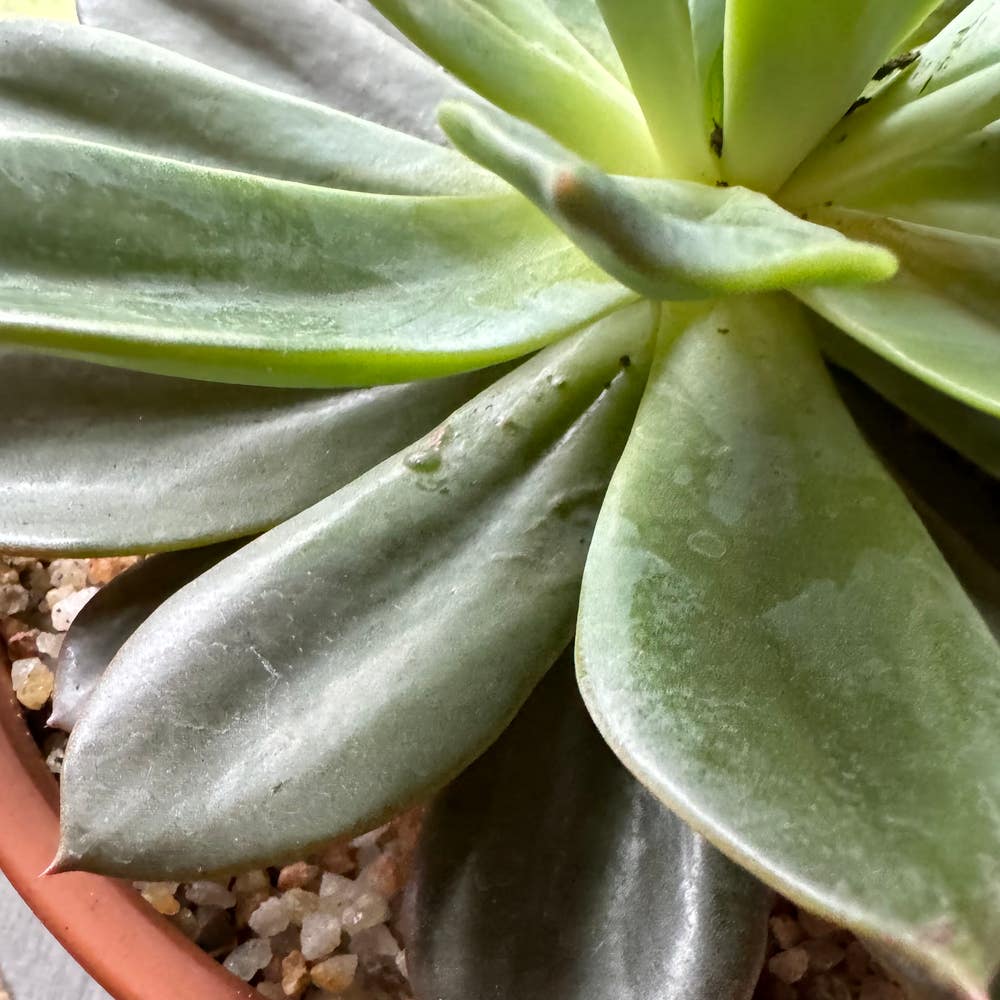
Echeveria 'Blue Prince'
By the Greg Editorial Team
Sep 30, 2024•3 min read
This article was created with the help of AI so we can cover more plants for you. May contain errors. See one? Report it here.
Unlock the secret to thriving Echeveria 'Blue Prince' 🌞 with essential tips on sunlight, soil, and spacing for a stunning garden!
- ☀️ Echeveria 'Blue Prince' needs 6+ hours of sunlight for vibrant growth.
- 🌱 Well-draining soil is essential; use cactus mix for optimal health.
- 🌬️ Wind protection and spacing enhance growth; avoid low areas to prevent pooling.
Ideal Locations for Echeveria 'Blue Prince'
🌞 Sunlight Exposure Requirements
Echeveria 'Blue Prince' thrives in full sun to partial shade, requiring a minimum of 6 hours of sunlight daily. Bright light enhances its vibrant color and growth, while low light can lead to etiolation, where the plant stretches and loses its compact form.
Seasonal changes affect sunlight intensity, so adjusting exposure is essential. During peak summer months, keep an eye out for signs of sunburn, as the intense rays can scorch the leaves.
🌱 Soil Type Preferences
Well-draining soil is crucial for the health of Echeveria 'Blue Prince.' A cactus or succulent mix is recommended, as these types provide the sandy or gritty texture needed for optimal drainage.
Aim for a slightly acidic to neutral soil pH, ideally between 6.0 and 7.0. To enhance drainage, consider amending your potting mix with perlite or coarse sand.
🌿 Proximity to Other Plants or Structures
For optimal growth, maintain a minimum spacing of 12 inches from other plants. This distance allows for adequate airflow, reducing the risk of fungal diseases.
Companion plants that thrive in similar conditions include other succulents and drought-tolerant varieties. Be mindful of structures; avoid planting in areas with excessive shade from buildings or trees, and consider placing your Echeveria near walls to benefit from reflected heat in cooler climates.
🏡 Assessing Microclimates
Identifying microclimates in your garden can significantly impact your plant's success. Look for areas with varying sunlight and temperature, influenced by features like water bodies, walls, or large trees.
Best practices for selecting microclimates include observing sun patterns throughout the day and across seasons. Additionally, testing soil moisture levels in different areas can help you find the ideal spot for your Echeveria.
🌬️ Wind Protection Needs
Wind protection is vital for Echeveria 'Blue Prince' to minimize stress and prevent damage. Strong winds can cause physical harm and desiccate the plant.
To provide wind protection, consider planting near natural barriers such as hedges or fences. Decorative screens or windbreaks can also enhance your garden's design while offering the necessary shelter.
🚰 Drainage Considerations
Proper drainage is essential to prevent root rot in Echeveria 'Blue Prince.' Using raised beds or pots with drainage holes can significantly improve water management.
Assess your garden soil's drainage by conducting a percolation test to evaluate water retention. Avoid low-lying areas where water may pool, as this can lead to detrimental conditions for your plant.
With the right sunlight, soil, spacing, and protection, your Echeveria 'Blue Prince' will flourish beautifully in your garden. Next, let’s explore the best care practices to ensure your succulent remains healthy and vibrant.
⚠️ Safety First
This content is for general information and may contain errors, omissions, or outdated details. It is not medical, veterinary advice, or an endorsement of therapeutic claims.
Always consult a qualified healthcare professional before using any plant as food, medicine, or supplement.
Never eat any plant (or feed one to pets) without confirming its identity with at least two trusted sources.
If you suspect poisoning, call Poison Control (800) 222-1222, the Pet Poison Helpline (800) 213-6680, or your local emergency service immediately.
Spotted an error? Please report it here.
Give your Echeveria 'Blue Prince' the perfect home 🌞 with Greg's tailored care reminders and plant insights, ensuring it gets the sunlight and drainage it craves for vibrant growth!