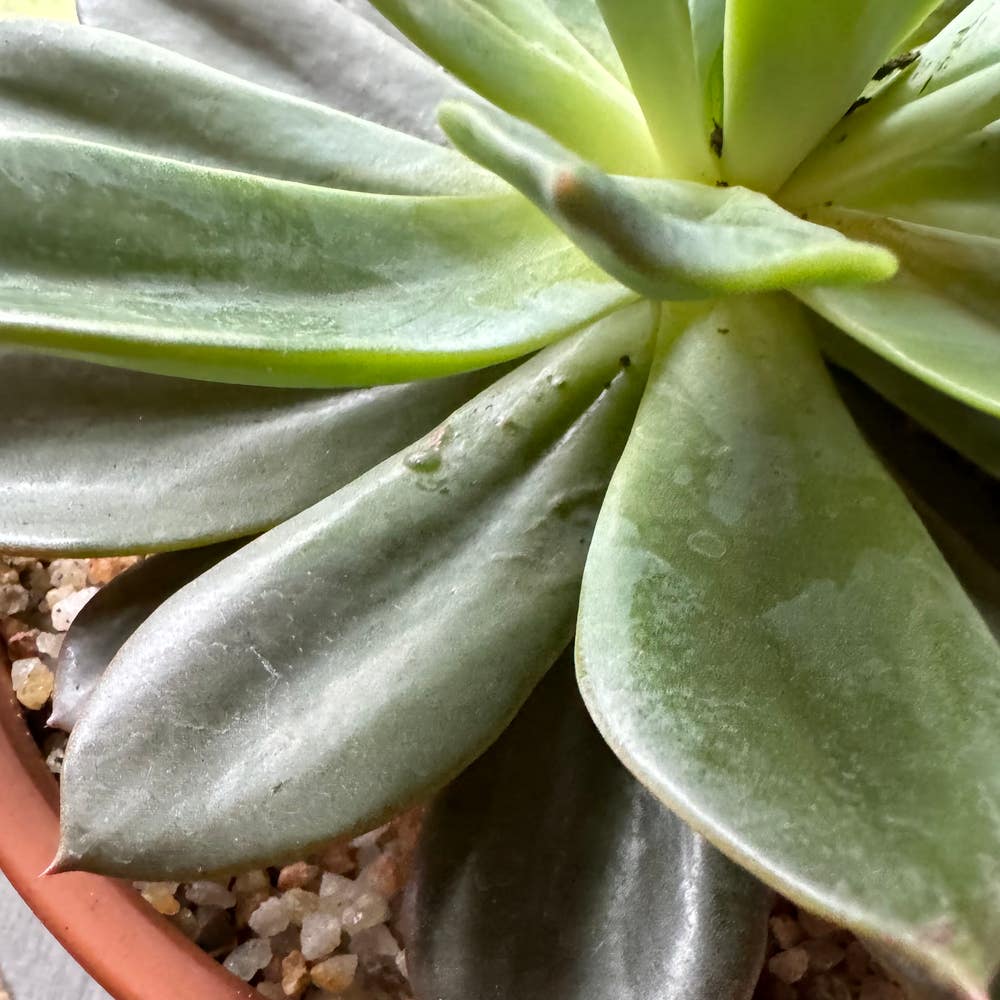
🐢 Echeveria 'Blue Prince''s Best Friends: Top Companion Plants
Echeveria 'Blue Prince'
By the Greg Editorial Team
Sep 30, 2024•4 min read
This article was created with the help of AI so we can cover more plants for you. May contain errors. See one? Report it here.
Elevate your garden's beauty 🌱 with perfect companion plants for Echeveria 'Blue Prince' and watch it thrive!
- 🌱 Echeveria 'Blue Prince' thrives with low-water, well-draining companion plants.
- 🌼 Sedum and Aloe Vera enhance aesthetics and repel pests effectively.
- 🎨 Mix colors and textures for a visually stunning succulent garden display.
Top Companion Plants
🌱 Sedum Species
Sedum species are fantastic companions for Echeveria 'Blue Prince' due to their similar care needs. They thrive in well-draining soil and require minimal watering, making them easy to maintain alongside your succulent.
Visually, Sedum plants offer complementary colors and textures that enhance your garden's aesthetic. Their diverse forms can create a stunning backdrop for the vibrant hues of Echeveria 'Blue Prince'.
🌿 Aloe Vera
Aloe Vera is not just a practical choice; it also serves as a pest repellent. This hardy plant deters common pests like aphids and mealybugs, keeping your Echeveria healthy.
Moreover, Aloe Vera shares similar moisture requirements, making it an ideal companion. Its drought tolerance ensures that both plants thrive without competing for water.
🌵 Haworthia
Haworthia is another excellent companion, as it prefers similar well-draining soil and light conditions. This compatibility makes it easy to care for both plants together.
In terms of aesthetics, Haworthia offers a variety of shapes and sizes that beautifully complement Echeveria 'Blue Prince'. The unique forms add visual interest to your succulent arrangement.
🌈 Other Echeveria Varieties
Including other Echeveria varieties can enhance your garden's harmony. These plants share similar growth habits and care requirements, making them easy to integrate.
Additionally, different hues among Echeveria varieties can create striking color contrasts. This diversity not only enhances visual interest but also promotes a cohesive look in your succulent garden.
By selecting the right companion plants, you can create a thriving and visually appealing succulent arrangement. Next, let’s explore which plants to avoid to ensure your Echeveria 'Blue Prince' flourishes.
Plants to Avoid
💧 High Water Needs Plants
Echeveria 'Blue Prince' thrives in well-draining soil, making it crucial to avoid plants with high water needs. These moisture-loving companions can lead to root rot, jeopardizing the health of your succulent.
⚔️ Aggressive Plants
Plants that are overly aggressive can compete for resources, overshadowing Echeveria 'Blue Prince'. This competition can stunt its growth, preventing it from reaching its full potential in your garden.
By steering clear of these problematic companions, you can ensure that your Echeveria 'Blue Prince' remains healthy and vibrant. Next, let’s explore how companion plants can help manage pests effectively.
Pest Management
How Companion Plants Can Deter Pests 🌱
Companion plants play a crucial role in pest management. Certain plants emit scents or chemicals that naturally repel unwanted pests, creating a protective barrier around your Echeveria 'Blue Prince'.
Common Pests to Watch For 🐞
Echeveria 'Blue Prince' can face a variety of pests. The most common culprits include aphids, mealybugs, and spider mites, all of which can damage your succulent if left unchecked.
Effective Companion Plants 🌼
To combat these pests, consider adding Aloe Vera and specific Sedum species to your garden. Both are known for their pest-repelling properties, helping to keep your Echeveria safe and thriving.
By strategically selecting companion plants, you can create a healthier environment for your succulents. This not only enhances their growth but also reduces the need for chemical treatments, making your gardening experience more enjoyable.
With the right companions, your Echeveria 'Blue Prince' can flourish, free from the threat of pests. Next, let’s explore how to create visually appealing combinations in your succulent garden.
Visual Appeal and Aesthetic Combinations
🎨 Color and Texture Combinations
Pairing Echeveria 'Blue Prince' with plants that showcase contrasting colors can significantly enhance visual interest in your garden. Think vibrant greens alongside soft blues or deep purples; these combinations create a dynamic and engaging display.
🌿 Creating a Visually Appealing Succulent Garden
To maximize impact, consider the height, color, and texture of your plants. Arrange taller varieties at the back and shorter ones in front, ensuring that each plant is visible and contributes to the overall aesthetic.
- Height Variation: Use taller plants like Aloe Vera to create a backdrop.
- Color Coordination: Mix warm and cool tones for a balanced look.
- Texture Play: Combine smooth-leaved plants with those that have a more rugged appearance for added depth.
By thoughtfully arranging your succulents, you can create a stunning visual experience that draws the eye and invites exploration. This not only showcases Echeveria 'Blue Prince' but also highlights the beauty of its companions, making your garden a true feast for the senses.
As you plan your succulent garden, keep in mind the importance of harmony and balance. The right combinations can transform your space into a vibrant oasis, setting the stage for the next section on pest management.
⚠️ Safety First
This content is for general information and may contain errors, omissions, or outdated details. It is not medical, veterinary advice, or an endorsement of therapeutic claims.
Always consult a qualified healthcare professional before using any plant as food, medicine, or supplement.
Never eat any plant (or feed one to pets) without confirming its identity with at least two trusted sources.
If you suspect poisoning, call Poison Control (800) 222-1222, the Pet Poison Helpline (800) 213-6680, or your local emergency service immediately.
Spotted an error? Please report it here.
Transform your space into a succulent paradise 🌵 with Echeveria 'Blue Prince' and its perfect companions, while Greg helps you thrive with tailored care tips and watering reminders!