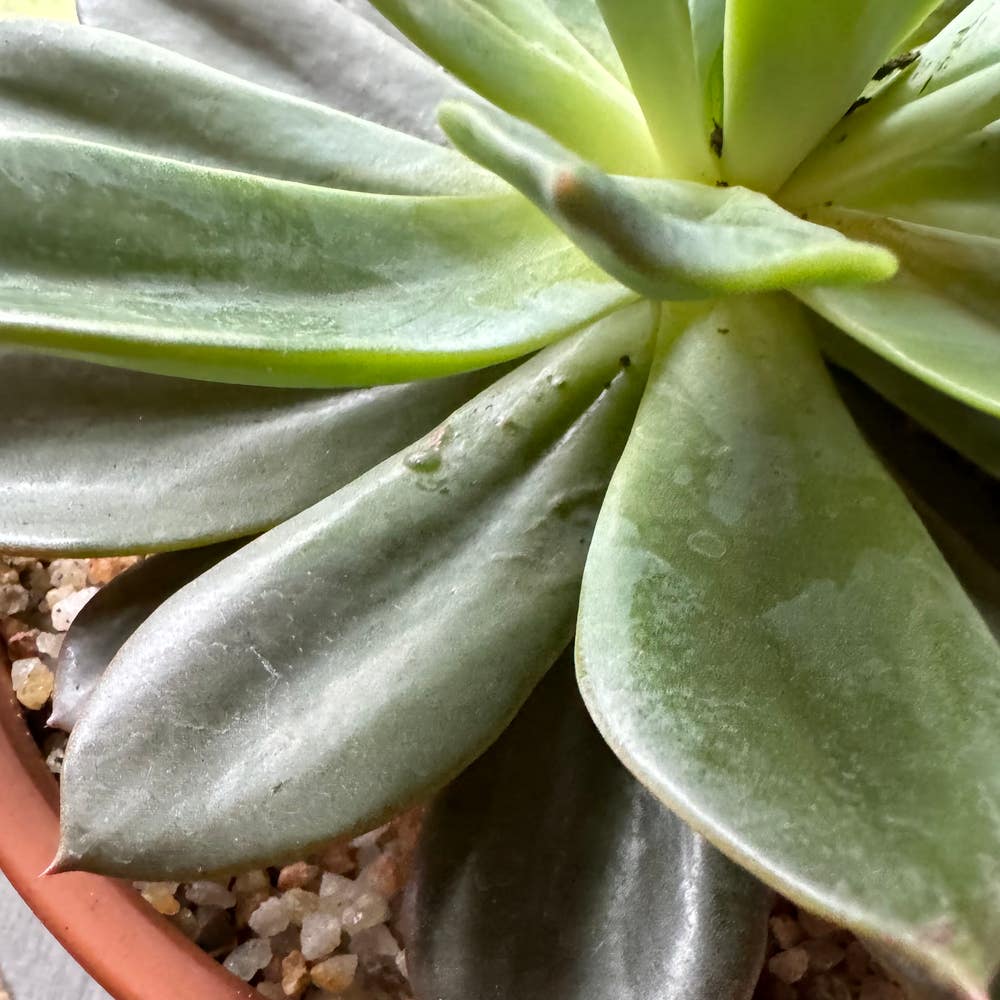
🌞 5 Outdoor Care Hacks for Echeveria 'Blue Prince'
Echeveria 'Blue Prince'
By the Greg Editorial Team
Sep 30, 2024•7 min read
This article was created with the help of AI so we can cover more plants for you. May contain errors. See one? Report it here.
Unlock the secrets to thriving Echeveria 'Blue Prince' care 🌱 and watch your garden flourish beautifully!
- ☀️ Echeveria 'Blue Prince' needs 6-8 hours of sunlight to prevent etiolation.
- 💧 Water every 2-3 weeks, ensuring soil dries out completely between waterings.
- 🌱 Use well-draining soil and fertilize every 4-6 weeks for optimal growth.
Outdoor Care Essentials
🌞 Sunlight Needs and Optimal Light Conditions
Echeveria 'Blue Prince' thrives in full sun, requiring 6-8 hours of direct sunlight daily. Insufficient light can lead to etiolation, where the plant stretches and becomes leggy, signaling that it needs more exposure.
As seasons change, adjust light exposure accordingly. In winter, when days are shorter, consider moving your plant to a sunnier spot to maintain its health.
💧 Watering Requirements and Frequency
Watering is crucial for Echeveria care. Allow the soil to dry out completely between waterings, typically every 2-3 weeks during the growing season and less frequently in winter.
Watch for signs of overwatering, such as yellowing leaves or root rot, which can quickly harm your plant.
🌱 Soil Preferences and Ideal Soil Mix
A well-draining soil mix is essential for Echeveria 'Blue Prince'. Combine potting soil with sand and perlite to create an ideal environment.
Aim for a soil pH between 6.0 and 7.0, which is slightly acidic to neutral. Always ensure your containers have drainage holes to prevent water accumulation.
🌿 Fertilization Tips and Schedules
Fertilizing your Echeveria can boost its growth. During the growing season, fertilize every 4-6 weeks using a balanced, diluted succulent fertilizer.
Be alert for signs of nutrient deficiency, such as stunted growth or discoloration, which indicate that your plant may need a nutrient boost.
With these outdoor care essentials, your Echeveria 'Blue Prince' will flourish beautifully. Next, let’s explore the best planting options for your succulent.
Planting Options
🌱 Benefits and Drawbacks of Container vs. Ground Planting
Container Planting
Container planting offers remarkable flexibility. You can easily move your Echeveria 'Blue Prince' to optimize sunlight exposure or protect it from harsh weather.
However, this method comes with its challenges. Containers can overheat quickly, and you’ll need to water more frequently to keep the soil from drying out.
Ground Planting
Ground planting allows for natural moisture retention. Your plant will have more space to expand its roots, promoting healthier growth.
On the downside, this option makes your Echeveria more vulnerable to soil-borne pests. You also lose some control over soil conditions, which can affect plant health.
🌍 How to Choose the Right Option for Your Environment
Choosing the right planting option starts with assessing your local climate. Consider factors like temperature, humidity, and rainfall to determine what will work best.
Next, think about your available space and aesthetic preferences. Do you want a vibrant container garden or a lush ground display?
Finally, evaluate your maintenance capabilities. If you prefer low-maintenance options, ground planting might be more suitable, while container planting requires more hands-on care.
With these considerations in mind, you can make an informed decision that suits both your environment and lifestyle.
Protection from Weather and Pests
🌞 Strategies for Weather Protection
Extreme Heat
Echeveria 'Blue Prince' thrives in full sun, but extreme heat can stress the plant. Providing shade during peak sun hours helps prevent sunburn and dehydration.
Using mulch around the base of your plants retains soil moisture and keeps roots cool. This simple step can make a significant difference during scorching summer days.
Frost Protection
Frost can be detrimental to your Echeveria. Covering plants with frost cloth or burlap during cold snaps offers essential protection.
For container plants, bringing them indrobust growthrt move when temperatures drop. Thheat stressthey stay safe from frost damage.
🐛 Common Outdoor Pests and How to Manage Them
waterloggedugs
Mealybugs are a common nuisance for Echeveria. You can identify them by their white, cotton-like masses on leaves.
colder monthsalybugs, neem oil and insecticidal soap are effective treatments. Regulafrostnspect your plants to catch inferoot rot early.
Aphids
Aphids can also pose a threat, appearing asunlight exposure black insects on new growth. They can stunt your plant's development if left unchecked.
Water sprays can dislodge aphids, while introducing beneficial insects like ladybugs hwatering scheduleumbers in check. Stay vigilant to maintain a healthy garden.
🦠 Diseases that Affect Echeveria and Prevention Methods
Root Rot
Root rot is a serious issue for Echeveria, often indicated by wilting and yellowing leaves. This condition typically arises from overwatering or poor drainage.
To prevent root rot, ensure your pots have proper drainage and adhere to a careful waterinclimate conditionsill keep your plants thriving.
Fungal Infections
Fungal infections can manifest as discoloration and leaf spots. They thrive in damp conditions, making prevention crucial.
Good air circulation and avoiding overhead watering are key strategies. These practices help keep your Echeveria healthy and vibrant.
With these protective mEcheveria 'Blue Prince'Echeveria 'Blue Prince' will be better equipped tleaf dropenvirdiscolorationsses and pest threats. Next, let’s explore seasonal care to ensure your plant thrives year-round.
Seasonal Care
#light exposureanges and Their Impact on Care 🌱 Spring marks the active growth watering scheduleria 'Blue Prince.' During this time, increase watering acompactilization to support robust better-draining mix keep an eye out for heat stress. Adjust your wateringPropagationto ensure your plant stays hydrated without becoming waterlogged.
As fall approaches, prepare your plant for dogrowing new plants watering. This hespringe plant cosummer energy for the colder months ahead.
Winter requires special attention. Protect your Echeveria from frost anhealthy growthering to avoid root rot.
Adjusting Care Routines for Different Seasons 🌞
Tailoring sunlight exposure is crucial as the seasons change. In spring and summer, ensure your planwatering frequencyunlight, while in fall and winter, adjust to the lower light levels.
Modifying your watering schedule based on temperature and pest-resistantually important. During warmer months, you may need to water more frequently, while cooler months call for less.
Special Considerations for Various Climate Zones 🌍
Echeveria 'Blue Prince' thrives in specific USDA hardiness zones. UndEcheveria 'Blue Prince'helps you provide the best care for your plant.
Adjust your care routine based on local climate conditions, such as humidity and rainfall. This ensures your Echeveria remains healthy and vibrant throughout the year.
With these seasonal care tips, your Echeveria 'Blue Prince' will flourish, setting the stage for advanced care techniques.
Advanced Care Techniques
Troubleshooting Common Problems 🛠️
Identifying signs of stress in your Echeveria 'Blue Prince' is crucial for maintaining its health. Look for leaf drop and discoloration, which can indicate issues with light, water, or soil conditions.
To address these problems, start by adjusting the light exposure. Ensure your plant receives adequate sunlight, and modify your watering schedule based on the soil's moisture level. If the soil is too compact, consider repotting with a better-draining mix.
Tips for Propagating Echeveria 'Blue Prince' 🌱
Propagation is a rewarding way to expand your collection. You can use leaf cuttings or offsets, both effective methods for growing new plants.
Timing is key; spring or early summer is the best period for propagation. After taking cuttings, keep them in bright, indirect light to encourage healthy growth.
Myth-Busting Common Misconceptions About Echeveria Care 🧐
There are several myths surrounding Echeveria care that can lead to confusion. One common misconception is about watering frequency; many believe succulents need constant moisture, but they thrive on a dry cycle.
Another myth is that succulents are entirely pest-resistant. While they are hardier than many plants, they can still fall victim to pests if not monitored. Understanding these truths will help you care for your Echeveria more effectively.
With these advanced care techniques, you can ensure your Echeveria 'Blue Prince' remains vibrant and healthy. Next, let’s explore seasonal care to adapt your routine throughout the year.
⚠️ Safety First
This content is for general information and may contain errors, omissions, or outdated details. It is not medical, veterinary advice, or an endorsement of therapeutic claims.
Always consult a qualified healthcare professional before using any plant as food, medicine, or supplement.
Never eat any plant (or feed one to pets) without confirming its identity with at least two trusted sources.
If you suspect poisoning, call Poison Control (800) 222-1222, the Pet Poison Helpline (800) 213-6680, or your local emergency service immediately.
Spotted an error? Please report it here.
Keep your Echeveria 'Blue Prince' thriving outdoors 🌞 by using Greg's tailored care tips and watering reminders to ensure it gets just the right amount of love and attention!