Echeveria 'Blue Prince' Wilting? Here's What to Do 🌵
Echeveria 'Blue Prince'
By the Greg Editorial Team
Sep 30, 2024•6 min read
This article was created with the help of AI so we can cover more plants for you. May contain errors. See one? Report it here.
Transform your wilting Echeveria 'Blue Prince' 🌱 into a thriving beauty with these essential care tips!
- 💧 Wilting in Echeveria 'Blue Prince' is mainly due to water stress—over or underwatering.
- 🌡️ Heat stress causes wilting too; look for curling leaves and crispy edges.
- 🌱 Regularly check soil moisture to prevent wilting and ensure proper care.
Common Causes of Wilting Leaves
💧 Water Stress
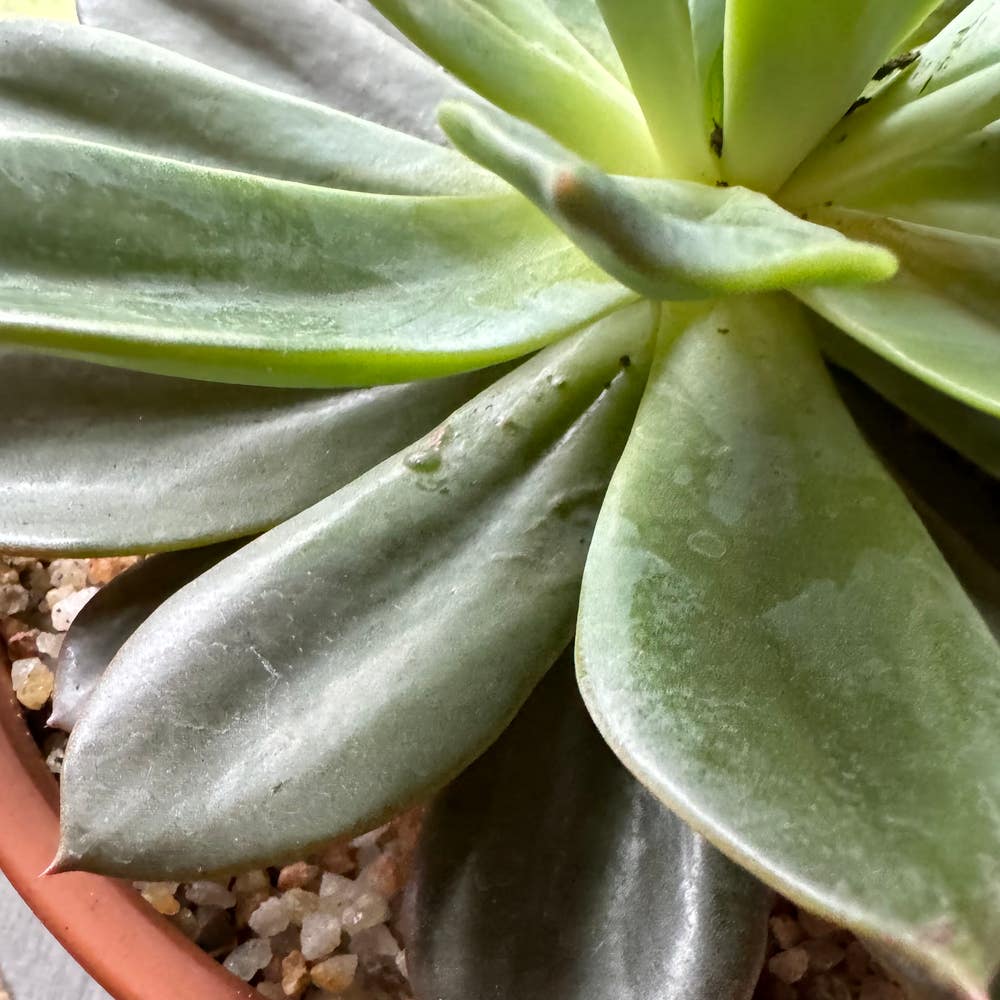
Wilting in Echeveria 'Blue Prince' often stems from water stress. Symptoms include leaves that appear shriveled or limp, typically with a dull color.
Overwatering or underwatering are the main culprits behind this issue. Both conditions disrupt the plant's ability to maintain turgor pressure, leading to wilting.
🔥 Heat Stress
Heat stress is another common cause of wilting. Symptoms include leaves that may curl or develop crispy edges.
This stress usually results from prolonged exposure to high temperatures or direct sunlight. Such conditions can lead to rapid moisture loss, exacerbating the wilting effect.
🦠 Uncommon Causes: Pathogenic Wilt
While pathogenic wilt can occur, it’s quite rare in Echeveria 'Blue Prince'. Symptoms of this condition typically include yellowing leaves and mushy stems.
Before jumping to conclusions about disease, it's essential to focus on environmental factors. Most wilting issues can be traced back to care practices rather than pathogens.
Understanding these common causes can help you take the right steps to revive your plant. Next, let’s dive into how to diagnose wilting effectively.
Diagnosing Wilting
Step-by-Step Guide to Diagnose Wilting 🌱
Assess Soil Moisture: Start by checking the top inch of the soil for dryness. A moisture meter can provide a more accurate reading.
Evaluate Environmental Conditions: Measure the temperature and humidity levels around your plant. Also, observe how much light it receives and for how long.
Inspect Leaves: Look closely for any signs of discoloration, curling, or damage. Don’t forget to check for pests or signs of disease that could be affecting your plant.
Signs to Look for in Wilting Leaves 👀
Leaf Texture: Softness or shriveling can indicate stress.
Color Changes: Watch for dullness or browning edges, which signal trouble.
Growth Patterns: If your plant is stretching towards light or showing uneven growth, it may be struggling.
By following these steps, you can effectively diagnose the cause of wilting in your Echeveria 'Blue Prince'. Understanding these signs will help you take the right actions to revive your plant and keep it thriving.
Next, let’s explore some practical solutions for addressing wilting leaves.
Solutions for Wilting Leaves
🌊 Addressing Water Stress
For underwatering, the solution is straightforward: water thoroughly until excess drains out. This ensures the roots receive the moisture they need.
Consider using bottom watering techniques to encourage root absorption. This method allows the plant to take in water from the bottom up, promoting healthier growth.
On the flip side, if overwatering is the issue, allow the soil to dry out completely before rewatering. This helps prevent root rot, a common problem for Echeveria 'Blue Prince'.
If root rot is suspected, consider repotting in well-draining soil. This can make a significant difference in the plant's recovery.
☀️ Addressing Heat Stress
Relocating the plant can be a game changer. Move it to a shadier location during peak sunlight hours to protect it from excessive heat.
Adjusting your watering schedule is also crucial. Increase the frequency during hot spells, but ensure the soil dries out between waterings to avoid further stress.
🌱 Techniques for Reviving a Wilted Plant
One effective technique is bottom watering. Place the pot in a shallow dish of water for about 30 minutes. This allows the roots to absorb moisture directly.
Temporary relocation can also help. Move the plant to a cooler, shaded area for a few days to help it recover from heat stress.
Lastly, consider pruning damaged leaves. Removing severely wilted or damaged foliage can promote new growth and improve the plant's overall health.
These solutions can help your Echeveria 'Blue Prince' bounce back from wilting. With the right care, your plant can thrive once again.
Preventive Measures
Best Practices to Minimize Future Wilting 🌱
To keep your Echeveria 'Blue Prince' thriving, regularly check soil moisture levels. Adjust your watering routine based on the plant's needs to prevent both overwatering and underwatering.
Ensure proper drainage in pots to avoid waterlogging. This simple step can make a significant difference in maintaining healthy roots.
Monitor environmental conditions closely. Adjust light exposure as needed to prevent stress from too much or too little sunlight.
Environmental Adjustments 🌡️
Maintaining stable temperature and humidity levels is crucial for your plant's health. Fluctuations can lead to wilting, so aim for consistency.
Consider using a fan or dehumidifier if humidity becomes an issue. These tools can help create a more stable environment for your Echeveria.
Rotate the plant periodically to ensure even light exposure. This practice encourages balanced growth and helps prevent stretching, which can lead to wilting.
By implementing these preventive measures, you can significantly reduce the chances of your Echeveria 'Blue Prince' wilting in the future. Next, let’s explore the unique characteristics of this beautiful succulent and how they influence its care.
Unique Characteristics
Sensitivity to Environmental Changes 🌬️
Echeveria 'Blue Prince' is particularly sensitive to fluctuations in humidity and temperature. This vulnerability can lead to wilting if the conditions aren't just right.
Growth Habit 🌱
This succulent has a natural tendency to stretch towards light. While this growth habit is typical, it can result in wilting if the plant isn't positioned properly.
Importance of Positioning 📍
Proper positioning is crucial for maintaining the health of your Echeveria. Ensure it receives adequate light without being exposed to harsh conditions that could cause stress.
Conclusion
Understanding these unique characteristics can help you provide better care for your Echeveria 'Blue Prince'. By keeping an eye on environmental factors, you can prevent wilting and promote vibrant growth.
Next, let’s explore how to diagnose wilting in your plant effectively.
When to Seek Help
🆘 Signs That Indicate the Need for Expert Assistance
If your Echeveria 'Blue Prince' is still wilting despite your best care efforts, it might be time to call in the pros. Persistent wilting can signal deeper issues that require expert intervention.
Look out for signs of disease or pest infestations that you can't manage at home. If you notice unusual spots, mold, or tiny critters on your plant, don’t hesitate to seek help.
🌱 Resources for Plant Care Support
Local nurseries are fantastic resources for expert advice and plant health assessments. They often have knowledgeable staff who can provide tailored guidance for your specific situation.
Online communities, like Greg, are also valuable for additional support and resources. Engaging with fellow plant enthusiasts can offer insights and encouragement as you navigate your plant care journey.
⚠️ Safety First
This content is for general information and may contain errors, omissions, or outdated details. It is not medical, veterinary advice, or an endorsement of therapeutic claims.
Always consult a qualified healthcare professional before using any plant as food, medicine, or supplement.
Never eat any plant (or feed one to pets) without confirming its identity with at least two trusted sources.
If you suspect poisoning, call Poison Control (800) 222-1222, the Pet Poison Helpline (800) 213-6680, or your local emergency service immediately.
Spotted an error? Please report it here.
Revive your wilting Echeveria 'Blue Prince' by mastering watering techniques 💧 with Greg's personalized reminders and moisture assessments to keep your plant thriving!