🌡 What Temperature Does My Echeveria 'Blue Prince' Need?
Echeveria 'Blue Prince'
By the Greg Editorial Team
Jun 18, 2024•3 min read
This article was created with the help of AI so we can cover more plants for you. May contain errors. See one? Report it here.
Keep your 'Blue Prince' 🌡️ happy by nailing the perfect temperature sweet spot—avoid the wilt and burn!
- Ideal range 65°F-80°F (18°C-27°C), avoid summer heat above 85°F (29°C).
- Winter minimum 50°F (10°C) to prevent frost damage.
- Watch for leaf changes—lighter or droopy leaves signal temperature distress.
Dialing in the Perfect Climate
🌡️ The Goldilocks Zone: Ideal Temperature Range for 'Blue Prince'
Echeveria 'Blue Prince' thrives in a temperate embrace, preferring the mercury to hover between 65°F and 80°F (18°C and 27°C). In the summer, it's all about that sun-kissed warmth without the burn—keep temperatures below 85°F (29°C) to prevent your succulent from turning into a crispy critter. Come winter, it's a game of keeping the chill at bay; maintain a minimum of 50°F (10°C) to avoid a frostbitten fiasco.
🌞 When the Heat is On: Understanding High-Temperature Tolerance
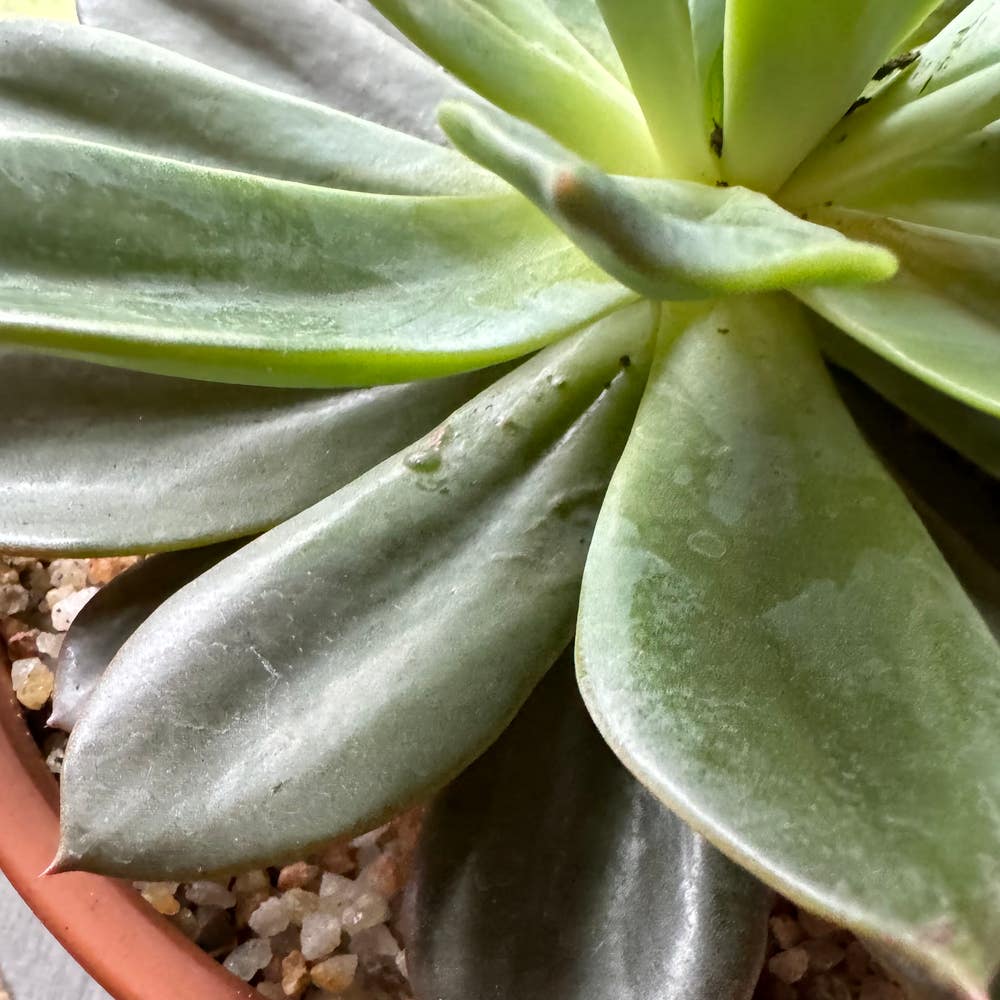
Your 'Blue Prince' might be a tough cookie, but excessive heat can make it crumble. Watch for leaves that mimic a lobster's sunburn—red, angry, and altogether unhappy. If your plant's leaves are throwing shade by turning lighter, it's time to rethink its sunbathing habits.
❄️ Keeping Cool: Avoiding the Cold Snap
Conversely, a 'Blue Prince' shivering in the cold is a sorry sight. Signs of a cold-stressed succulent include leaves that droop like they've given up on life. If your plant looks like it's trying to wrap itself in its own leaves for warmth, it's a clear signal to move it to a warmer locale pronto.

Spotting Trouble: Signs of Temperature Distress
🌡️ Visual SOS: Recognizing the Cry for Help
- Leaf discoloration often spells trouble; yellow leaves may suggest overheating, while brown spots can mean your 'Blue Prince' is too cold.
- Wilting or shriveling leaves tell a story of distress—either your succulent is too hot or desperately needs water.
🚨 When to Act: Responding to Temperature Stress
- At the first sign of leaf discoloration or wilting, take immediate action to adjust the temperature or provide water.
- If leaves start dropping or show crispy edges, it's time for a quick change—move your plant to a more suitable environment.

Common Culprits: What's Messing with Your 'Blue Prince's' Climate?
🌞 Too Hot to Handle: Direct Sunlight and Heat Sources
Direct sunlight can turn your 'Blue Prince' into a crispy critter. It's a succulent, not a sunbather. Mitigate heat stress by positioning it in bright, indirect light. Think a few feet from a sunny window or behind a sheer curtain. This way, it gets the light without the scorch.
Heat sources like radiators or air conditioning units are stealthy foes. They can cook or chill your plant, depending on the season. Keep your 'Blue Prince' at a safe distance, where it won't get blasted with hot or cold air.
❄️ The Cold Shoulder: Drafts and Sudden Temperature Drops
Drafts are like unwanted guests for your 'Blue Prince'. They bring sudden chills that can stress your plant out. Avoid placing your succulent near open windows or doors where drafts sneak in.
Sudden temperature drops can be just as harmful. Your 'Blue Prince' likes stability. Keep it away from areas that experience quick changes in temperature, such as near exterior doors or unheated rooms.
Remember, your 'Blue Prince' isn't asking for a climate-controlled greenhouse, just a spot that's not too hot, not too cold, and draft-free. It's about finding that sweet spot where it can thrive without throwing a temperature tantrum.

⚠️ Safety First
This content is for general information and may contain errors, omissions, or outdated details. It is not medical, veterinary advice, or an endorsement of therapeutic claims.
Always consult a qualified healthcare professional before using any plant as food, medicine, or supplement.
Never eat any plant (or feed one to pets) without confirming its identity with at least two trusted sources.
If you suspect poisoning, call Poison Control (800) 222-1222, the Pet Poison Helpline (800) 213-6680, or your local emergency service immediately.
Spotted an error? Please report it here.
Ensure your Echeveria 'Blue Prince' is always in its happy zone with Greg's 🌡 custom alerts for ideal temperature, so you can enjoy a stress-free plant parenting experience.