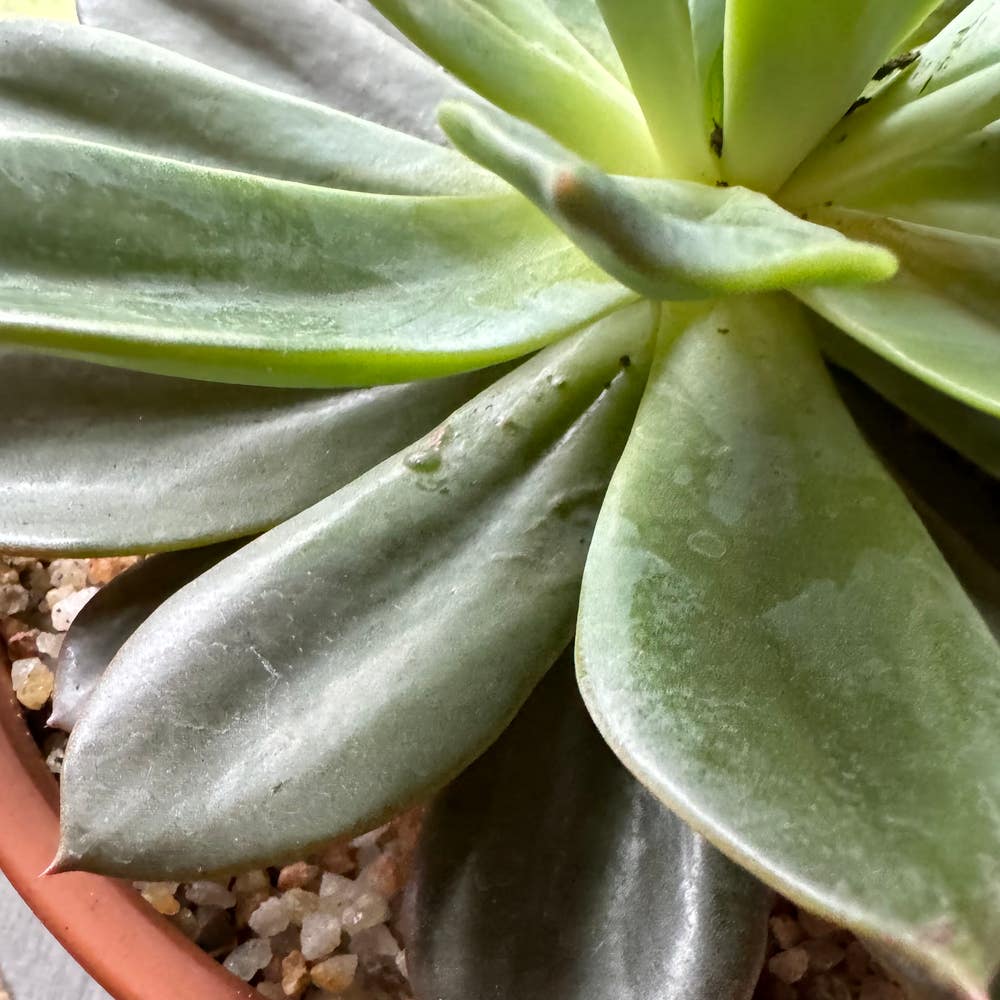
🌵 Why Echeveria 'Blue Prince' Is Not an Annual
Echeveria 'Blue Prince'
By the Greg Editorial Team
Sep 30, 2024•5 min read
This article was created with the help of AI so we can cover more plants for you. May contain errors. See one? Report it here.
Transform your garden with Echeveria 'Blue Prince'—a stunning, resilient succulent for effortless beauty! 🌼
- 🌵 Echeveria 'Blue Prince' is a perennial, thriving in drought conditions and resisting frost.
- 🌼 Extended flowering season offers vibrant blooms for months, unlike typical annuals.
- 🌞 Proper care and placement ensure longevity, preventing misclassification as an annual.
Echeveria 'Blue Prince' as a Perennial
🌱 Genetic Characteristics
Echeveria 'Blue Prince' belongs to the succulent family, which is renowned for its unique adaptations for water storage. These plants have evolved to thrive in arid environments, showcasing genetic traits that enhance their resilience to drought.
💧 Physiological Traits Supporting Perennial Classification
The rosette growth pattern of Echeveria 'Blue Prince' is not just visually appealing; it also allows for efficient water storage and nutrient absorption. Additionally, its thick, fleshy leaves minimize water loss, making it well-suited for perennial life.
🌼 Lifecycle and Growth Patterns
Echeveria 'Blue Prince' has a distinctive growth cycle that begins with slow initial growth, eventually leading to robust development over the years. Its flowering patterns are equally impressive, featuring a long flowering season with vibrant blooms that can last several months, adding beauty to any garden.
This combination of genetic and physiological traits solidifies Echeveria 'Blue Prince' as a perennial, making it a fantastic choice for gardeners looking for longevity and resilience. Next, we will explore how its lifecycle compares to that of annual plants.
Lifecycle Comparison
Differences in Growth and Flowering Compared to Annuals 🌱
Echeveria 'Blue Prince' showcases a gradual growth rate, unlike the rapid expansion seen in annuals. This slow start allows the plant to establish a strong foundation, leading to robust development over time.
In terms of flowering, Echeveria offers an extended blooming season. While annuals may burst into bloom for a short period, Echeveria's vibrant flowers can last several months, providing ongoing visual interest in your garden.
Seed Production Strategies 🌼
Echeveria employs unique reproductive strategies, primarily through offsets, commonly known as pups. This method allows the plant to propagate effectively, ensuring its presence in your garden year after year.
In contrast, annuals focus on producing a high quantity of seeds that germinate quickly. This strategy is essential for their lifecycle, as they rely on rapid growth and reproduction to thrive within a single season.
Understanding these differences highlights why Echeveria 'Blue Prince' is celebrated as a perennial, offering lasting beauty and resilience in your garden. As we explore the conditions that affect its perennial nature, you'll gain further insights into its care and adaptability.
Conditions Affecting Perennial Nature
🌱 Situations Where Echeveria 'Blue Prince' May Be Treated as an Annual
Echeveria 'Blue Prince' can sometimes be misclassified as an annual due to its sensitivity to frost. Cold temperatures can severely impact its health, leading to stunted growth or even death.
Mismanagement also plays a crucial role in this classification. Overwatering or poor drainage can create conditions that are detrimental to the plant, causing it to struggle and behave like an annual.
🌍 Geographic and Climatic Factors
The climate in which Echeveria 'Blue Prince' is grown significantly affects its growth and classification. In arid conditions, the plant thrives, showcasing its perennial nature, while humid environments can lead to challenges.
Regional adaptations are essential for successful cultivation. Care practices may vary based on local climate, ensuring that Echeveria receives the right conditions to flourish as a perennial.
Understanding these factors will help you appreciate the resilience of Echeveria 'Blue Prince' and its potential for long-term growth in your garden. Next, we’ll explore the design implications of incorporating this stunning succulent into your landscape.
Garden Design Implications
🌼 Advantages in Garden Design
Echeveria 'Blue Prince' brings a stunning aesthetic to any garden with its unique rosette shape and vibrant colors. This succulent not only catches the eye but also thrives in low-water conditions, making it perfect for xeriscaping.
Its drought tolerance means you can enjoy a beautiful garden without the constant worry of watering. This makes it an excellent choice for busy gardeners or those in arid regions.
🌱 Planning for Perennial Growth
When designing your garden, consider the placement of Echeveria 'Blue Prince' to ensure it receives optimal sunlight. These plants flourish in bright, indirect light, so positioning them accordingly can enhance their growth and vibrancy.
Companion planting is another effective strategy. Pairing Echeveria with other drought-tolerant plants creates a cohesive design while maximizing water efficiency. This not only beautifies your space but also promotes a healthier ecosystem in your garden.
Incorporating Echeveria 'Blue Prince' into your landscape design can elevate both the visual appeal and sustainability of your garden. As you plan, think about how these perennials can work harmoniously with their surroundings, ensuring a thriving, low-maintenance garden.
With these considerations in mind, let’s explore how to maximize the longevity of your Echeveria 'Blue Prince' for years to come.
Maximizing Longevity
Tips for Managing Echeveria 'Blue Prince' as a Perennial 🌱
To keep your Echeveria 'Blue Prince' thriving, establish a consistent watering schedule. Allow the soil to dry out completely between waterings to prevent root rot.
Fertilization is also key. Use a balanced succulent fertilizer during the growing season to provide essential nutrients without overwhelming the plant.
Best Practices for Long-Term Health 🛡️
Regular pest management is crucial for the health of your Echeveria. Inspect your plant frequently for common pests like mealybugs and aphids, addressing any issues promptly.
Seasonal care adjustments can make a significant difference. Tailor your care practices based on seasonal changes and local climate conditions to ensure your plant remains robust year-round.
By following these tips, you can enjoy the beauty of Echeveria 'Blue Prince' for many years to come. Next, let’s explore how to incorporate this stunning succulent into your garden design for maximum impact.
⚠️ Safety First
This content is for general information and may contain errors, omissions, or outdated details. It is not medical, veterinary advice, or an endorsement of therapeutic claims.
Always consult a qualified healthcare professional before using any plant as food, medicine, or supplement.
Never eat any plant (or feed one to pets) without confirming its identity with at least two trusted sources.
If you suspect poisoning, call Poison Control (800) 222-1222, the Pet Poison Helpline (800) 213-6680, or your local emergency service immediately.
Spotted an error? Please report it here.
Echeveria 'Blue Prince' is a resilient perennial that thrives with the right care, and with Greg's custom watering reminders 🌿, you can keep your plant flourishing beautifully for years to come!