8 Ideal Locations to Plant Your Bitterroot 🥄
Lewisia spp.
By the Greg Editorial Team
Aug 24, 2024•5 min read
This article was created with the help of AI so we can cover more plants for you. May contain errors. See one? Report it here.
- ☀️ Bitterroot thrives in full sun, needing 6-8 hours of direct sunlight daily.
- 🌱 Well-draining, slightly acidic soil is crucial for healthy growth and flowering.
- 🌬️ Wind protection enhances survival; use natural barriers or fences for support.
Sunlight Exposure
Full Sun Requirements 🌞
Bitterroot thrives in full sun, requiring 6-8 hours of direct sunlight daily. This exposure not only promotes robust flowering but also supports healthy growth, making it essential for a vibrant display.
Partial Shade Considerations 🌤️
While Bitterroot can tolerate partial shade, this may impact its flowering potential. Ideally, morning sun paired with afternoon shade is beneficial, especially in hotter climates, helping to protect the plant from intense heat.
Understanding these sunlight needs is crucial for successful planting. Next, let’s explore the soil type and conditions that will further enhance your Bitterroot's growth.
Soil Type and Conditions
🌱 Well-Draining Soil Preferences
Bitterroot thrives best in well-draining soils, such as rocky, sandy, or loamy types. This soil composition is crucial because it prevents root rot and encourages healthy growth.
Good drainage is essential for the overall health of your Bitterroot. Without it, excess moisture can lead to root issues that stunt growth and flowering.
⚖️ Soil pH and Nutrient Needs
For optimal growth, aim for a soil pH between 6.0 and 7.5. This range supports the plant's nutrient uptake and overall vitality.
When it comes to nutrients, Bitterroot prefers low to moderate fertility. Avoid overly rich soils, as they can lead to lush foliage at the expense of flowering.
By ensuring the right soil type and conditions, you set the stage for a flourishing Bitterroot garden. Next, let’s explore how to position your plants for maximum sunlight exposure.
Proximity to Other Plants
🌱 Companion Planting Strategies
Choosing the right companions for your Bitterroot can make a world of difference. Drought-tolerant plants like succulents or native grasses thrive alongside Bitterroot, enhancing biodiversity in your garden.
This combination not only creates a vibrant ecosystem but also reduces competition for essential resources. When plants work together, they can create a more resilient environment.
🚫 Avoiding Overcrowding
Spacing is crucial for the health of your Bitterroot. Aim to plant them at least 12-18 inches apart to ensure adequate airflow and room for growth.
Overcrowding can lead to fierce competition for sunlight and nutrients, ultimately stunting your plants' development. Giving each plant its space allows them to flourish and reach their full potential.
By carefully considering the proximity of your Bitterroot to other plants, you can create a thriving garden that celebrates both beauty and biodiversity. Next, let’s explore how to assess the best spot for your Bitterroot, focusing on sunlight patterns and seasonal changes.
Assessing the Best Spot
🌞 Evaluating Sunlight Patterns
Understanding sunlight patterns is crucial for planting your Bitterroot effectively.
Morning vs. Afternoon Sun
Morning sun provides gentle light that encourages early growth. In contrast, afternoon sun can be intense, so consider adding shade options in hotter climates to protect your plants.
🍂 Seasonal Changes in Light
Observing seasonal changes in light exposure is essential for optimal growth.
Adjust your planting layout or move containers as needed to adapt to these changes, ensuring your Bitterroot receives the right amount of sunlight throughout the year.
With the right sunlight conditions established, you can now focus on wind protection and drainage to create the ideal environment for your Bitterroot.
Wind Protection and Drainage
Importance of Windbreaks 🌬️
Wind can be a silent enemy for your Bitterroot plants. Strong gusts can damage delicate flowers and disrupt growth, making windbreaks essential.
Natural Barriers vs. Artificial Structures 🌳
Natural barriers, like trees or shrubs, provide a shield against harsh winds. They not only protect your plants but also enhance the garden's aesthetic.
Artificial structures, such as fences or trellises, can also serve as effective windbreaks. These options are particularly useful in open areas where natural barriers are lacking.
Ensuring Proper Drainage 🚰
Proper drainage is crucial for the health of your Bitterroot. Waterlogged soil can lead to root rot, so understanding drainage patterns is key.
Assessing Drainage Patterns
Start by observing water flow in your garden. Identify areas where water tends to pool after rain, as these spots can be detrimental to your plants.
Elevation plays a significant role in drainage. Planting on slopes can naturally enhance drainage, allowing excess water to flow away from the roots.
Modifying Soil for Better Drainage 🏗️
Improving soil drainage can be achieved through simple amendments. Incorporating sand or gravel into your soil mix can create a more porous environment.
Consider using raised beds as a technique for ensuring proper drainage. They elevate the plants, allowing for better water runoff and healthier root systems.
With wind protection and proper drainage in place, your Bitterroot will thrive. Next, let’s explore specific location needs to optimize your planting strategy.
Specific Location Needs
🌆 Urban vs. Rural Planting
Considerations for City Gardens
Urban gardening presents unique challenges, such as limited space and potential pollution. However, solutions like container gardening and vertical gardens can help maximize your planting area.
Rural Landscape Advantages
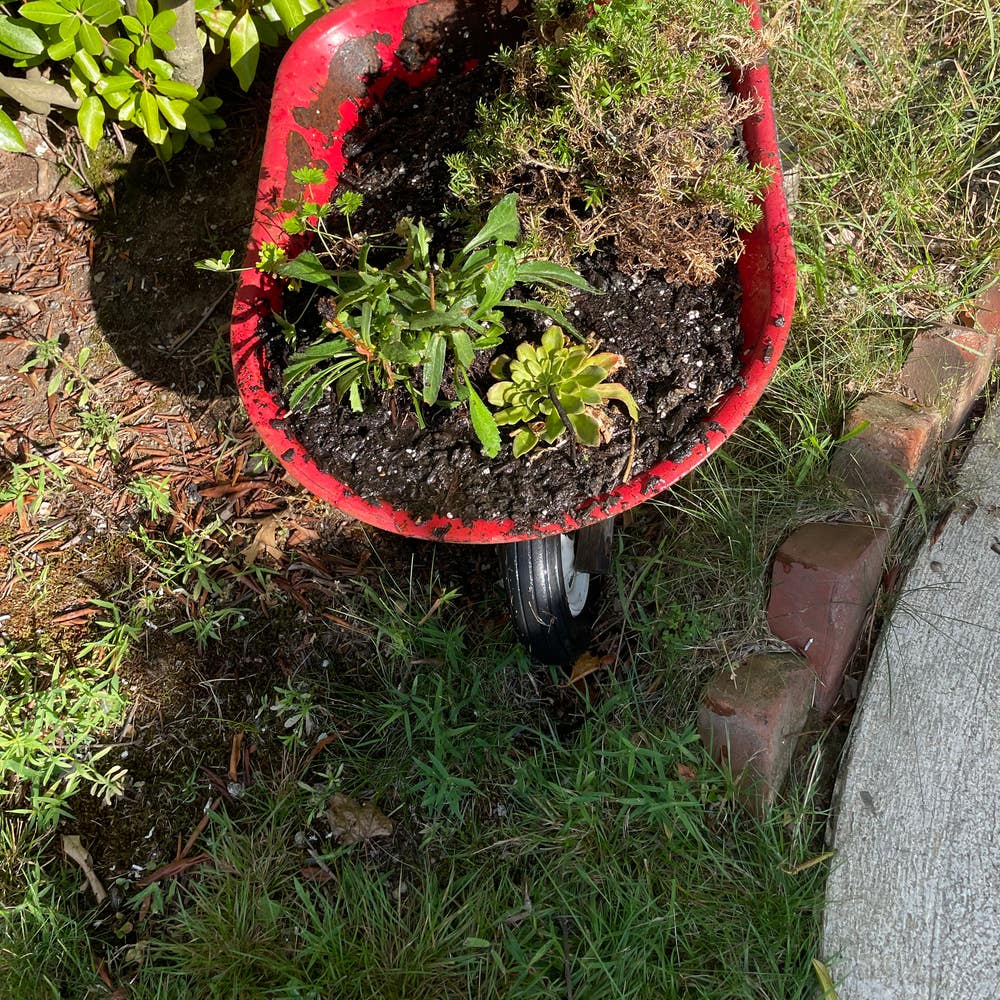
In contrast, rural landscapes offer more space and conditions that closely resemble Bitterroot's native habitat. This environment allows for diverse planting areas with natural drainage, making it easier to cultivate healthy plants.
🏡 Indoor Planting Options
Container Gardening
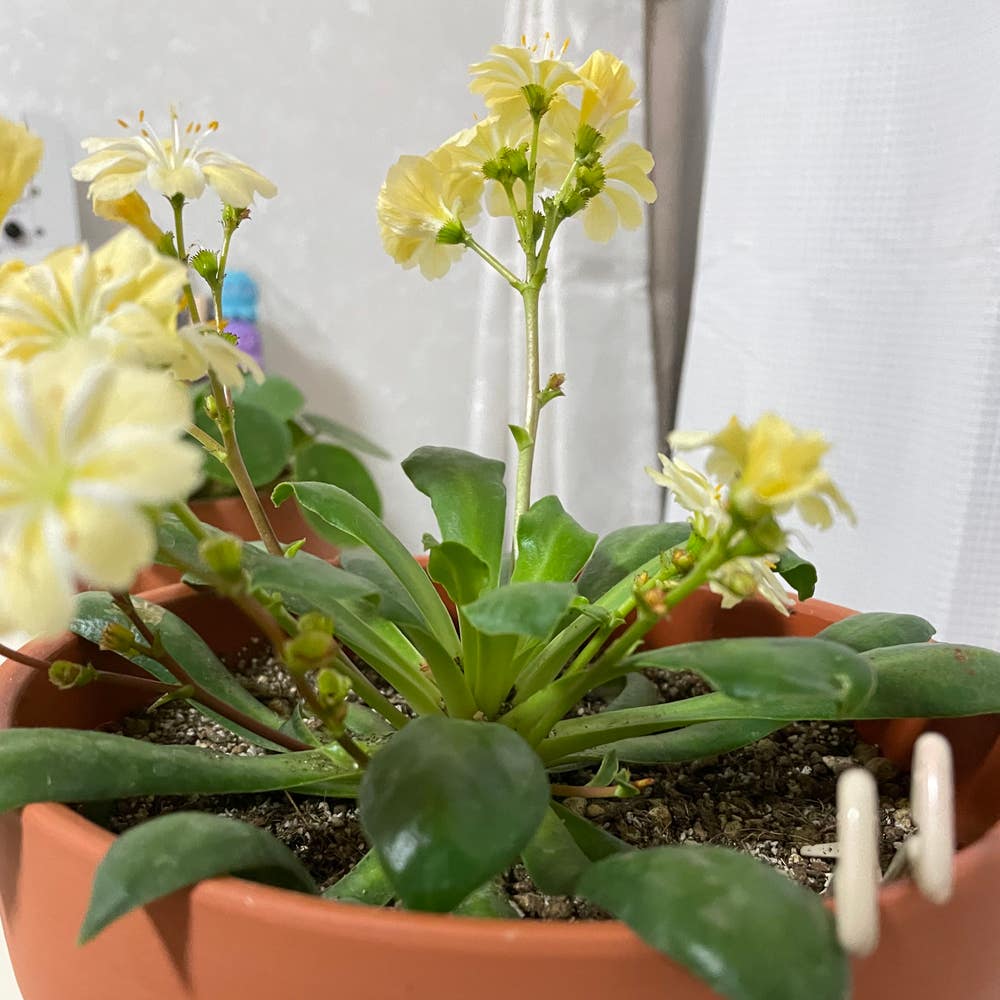
When opting for container gardening, choose pots that are at least 12 inches deep to support root development. A well-draining potting mix, enhanced with sand or perlite, will ensure your Bitterroot thrives indoors.
Light and Humidity Requirements Indoors
For optimal growth, position your containers near south-facing windows to capture the best sunlight. Additionally, maintaining good air circulation is crucial to prevent mold and rot, ensuring your plants stay healthy and vibrant.
With these considerations in mind, you can create the perfect environment for your Bitterroot, whether in an urban setting, a rural landscape, or even indoors. Next, let’s explore how to assess the best spot for planting based on sunlight patterns and seasonal changes.
⚠️ Safety First
This content is for general information and may contain errors, omissions, or outdated details. It is not medical, veterinary advice, or an endorsement of therapeutic claims.
Always consult a qualified healthcare professional before using any plant as food, medicine, or supplement.
Never eat any plant (or feed one to pets) without confirming its identity with at least two trusted sources.
If you suspect poisoning, call Poison Control (800) 222-1222, the Pet Poison Helpline (800) 213-6680, or your local emergency service immediately.
Spotted an error? Please report it here.
Maximize your Bitterroot's potential by ensuring it gets full sun and well-draining soil 🌱—let Greg guide you with tailored reminders and tips for the perfect planting spot!