🌼 Bitterroot Is Not Considered a Weed
Lewisia spp.
By the Greg Editorial Team
Aug 24, 2024•5 min read
This article was created with the help of AI so we can cover more plants for you. May contain errors. See one? Report it here.
- 🌱 Bitterroot is a native plant, enhancing gardens without being invasive.
- 🐝 Attracts pollinators and supports biodiversity, making it eco-friendly.
- 🌍 Promotes soil stability and requires less maintenance, ideal for sustainable gardening.
Plant Classification
Definition of Invasive Species 🌱
Invasive species are non-native plants that aggressively spread, outcompeting local flora and disrupting ecosystems. They often exhibit rapid growth, high reproductive rates, and adaptability to various environments, making them formidable threats to biodiversity.
Bitterroot's Non-Invasive Nature 🌼
Bitterroot stands out as a native plant, perfectly adapted to local ecosystems. Its deep taproot limits its spread, allowing it to thrive in specific conditions without overwhelming other plants.
This plant's low reproductive rate further contributes to its non-invasive status. With limited seed production and specific habitat requirements, Bitterroot avoids aggressive colonization, making it a welcome addition to gardens and natural landscapes.
Incorporating Bitterroot into your garden not only enhances its beauty but also supports local ecosystems. As we explore its growth habits next, you'll see how this plant plays a vital role in maintaining ecological balance.
Bitterroot Growth Habits
🌱 Typical Growth Patterns in Gardens
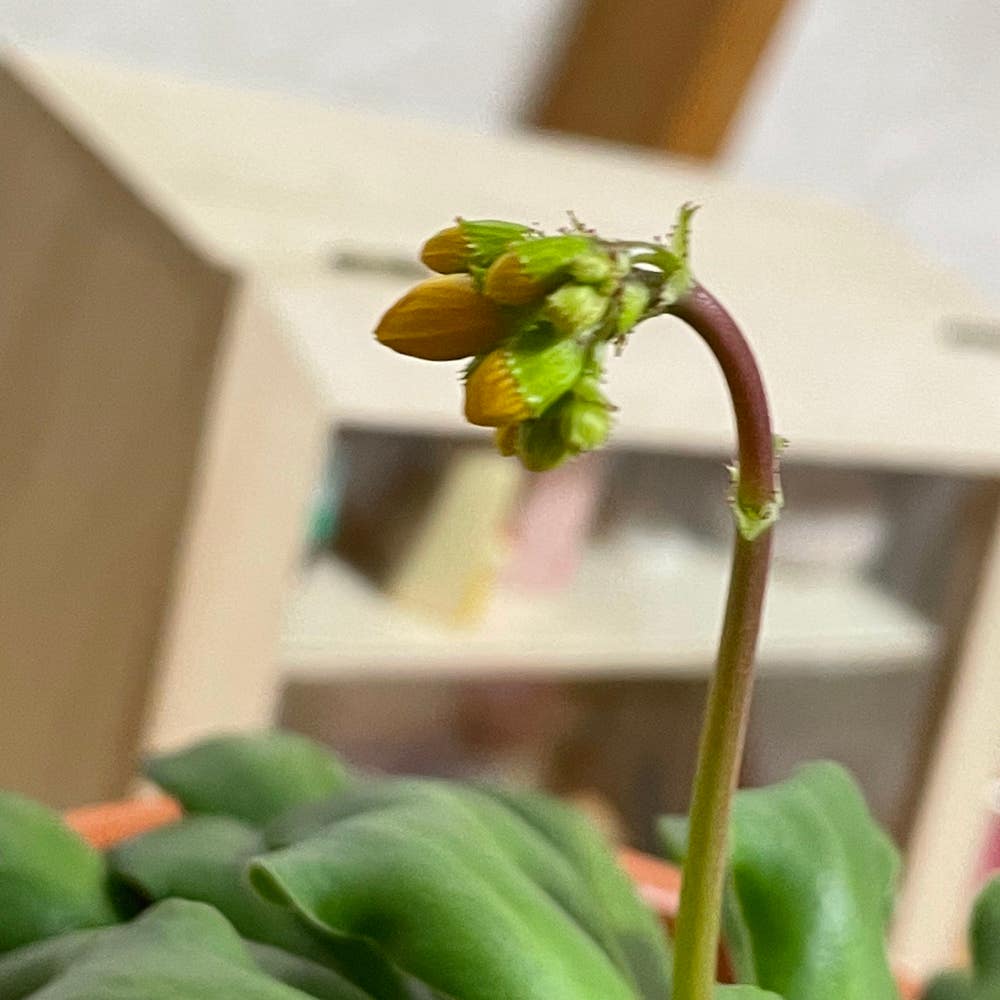
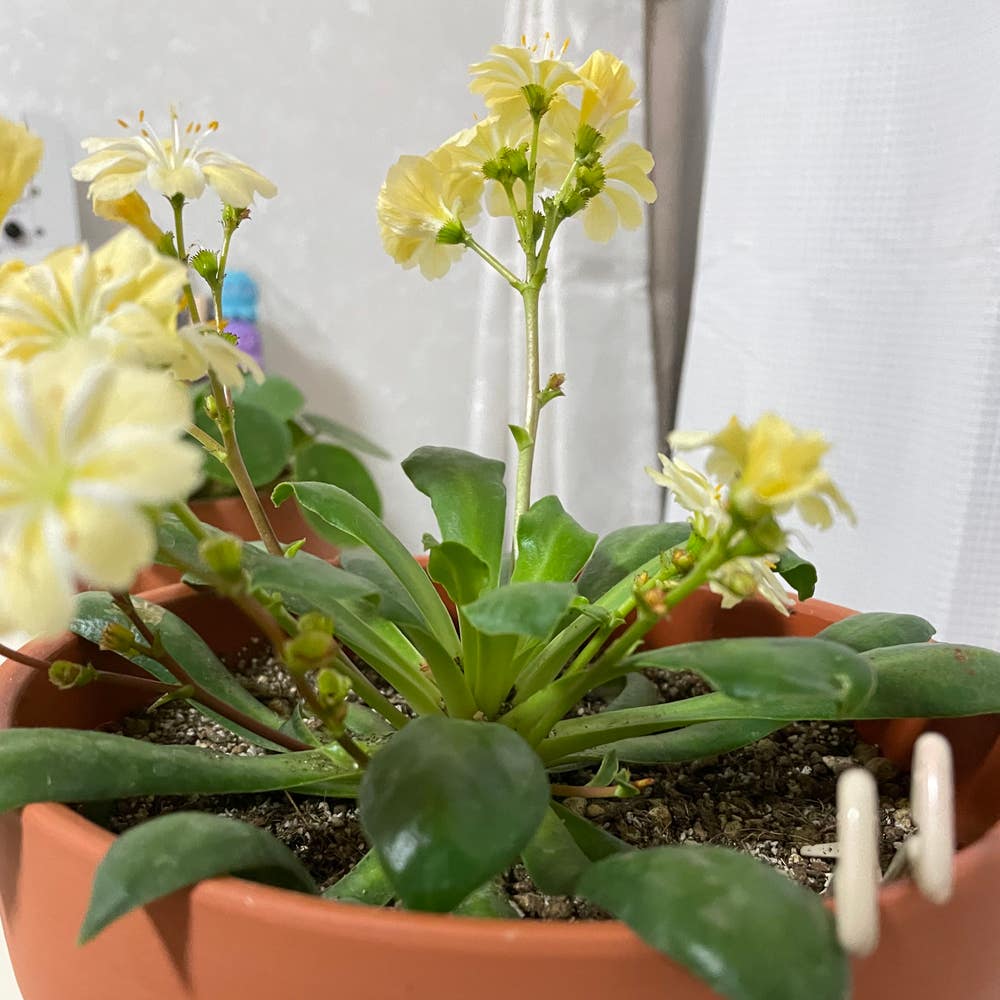
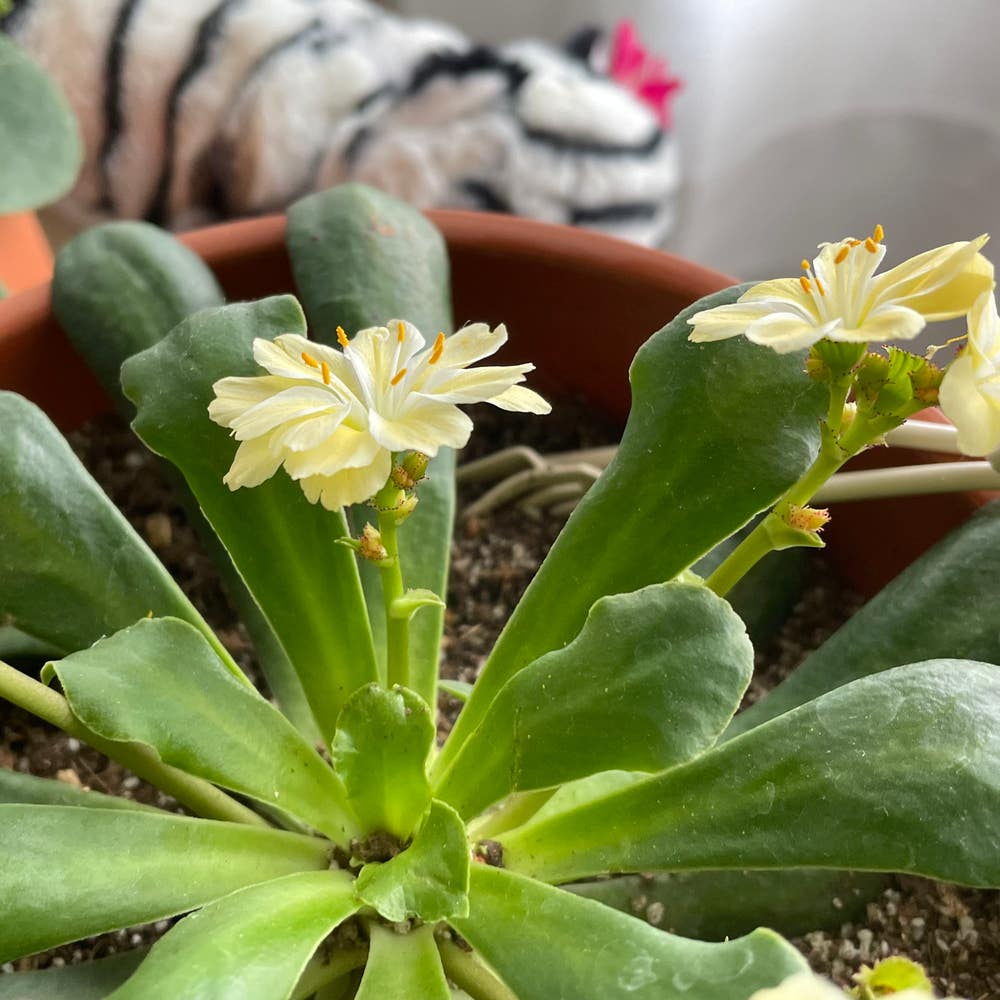
Bitterroot showcases a unique growth form, developing a rosette of fleshy leaves that adds texture to any garden. It blooms beautifully from late spring to early summer, attracting a variety of pollinators like bees and butterflies.
🌍 Natural Limits to Bitterroot's Spread
This plant thrives in well-drained, rocky, or sandy soils, which limits its spread in heavy, clay soils. Its deep taproot allows it to survive in dry conditions, reducing competition with moisture-loving plants and ensuring it doesn't overwhelm its surroundings.
Bitterroot is not just a pretty face in the garden; it plays a vital role in maintaining ecological balance. By understanding its growth habits, gardeners can effectively incorporate this native beauty into their landscapes.
Next, we will explore the ecological role of Bitterroot and its benefits to local ecosystems.
Bitterroot Ecological Role
Benefits in Ecosystems 🌍
Bitterroot plays a crucial role in its ecosystem, primarily through soil stabilization. Its deep taproot anchors the plant firmly, preventing erosion in rocky areas where soil can easily wash away.
Additionally, Bitterroot supports biodiversity by providing habitat and food for local wildlife. This native plant creates a balanced environment, encouraging various species to thrive.
Positive Interactions with Local Wildlife 🐝
One of the most delightful aspects of Bitterroot is its ability to attract pollinators. The vibrant flowers draw in bees and butterflies, enhancing local biodiversity and ensuring the health of surrounding plants.
Moreover, Bitterroot holds historical significance for Native American tribes, serving as a vital food source and offering medicinal benefits. This cultural connection adds depth to its ecological importance, making it a valuable addition to any garden.
Incorporating Bitterroot into your landscape not only beautifies your space but also fosters a thriving ecosystem. As we explore how to manage Bitterroot in gardens, consider its unique contributions to the environment.
Bitterroot Garden Management
Effective Incorporation into Garden Designs 🌿
Bitterroot thrives in specific environments, making it an excellent choice for rock gardens and xeriscapes. Its ability to act as ground cover in dry areas not only enhances aesthetics but also supports local ecosystems.
Companion planting with other drought-tolerant native plants creates a cohesive look while promoting biodiversity. This strategy ensures that your garden remains vibrant and resilient, even in challenging conditions.
Considerations for Controlling Growth ⚖️
Monitoring your Bitterroot plants is essential to prevent unwanted spread, especially in favorable conditions. Regular checks will help maintain the balance in your garden and ensure that Bitterroot doesn’t outcompete its neighbors.
Pruning is another effective management technique. By removing spent flowers, you can encourage a tidy appearance and reduce the chances of self-seeding, keeping your garden looking its best.
Incorporating Bitterroot into your garden not only beautifies your space but also contributes positively to the environment. As you explore the next section, consider how Bitterroot interacts with local wildlife and enhances ecological health.
Comparison to Other Plants
🌱 Similar Non-Invasive Plants
Bitterroot shares its habitat with other native plants like Penstemon and Eriogonum. These species thrive in similar conditions, showcasing resilience and adaptability.
Both Penstemon and Eriogonum exhibit low water needs and can flourish in rocky or sandy soils. They also provide essential ecological benefits, such as attracting pollinators and supporting local wildlife.
🌼 Unique Qualities of Bitterroot
What sets Bitterroot apart is its distinctive rosette of fleshy leaves and vibrant spring blooms. This unique appearance makes it a standout choice for gardens, adding visual interest and texture.
Moreover, Bitterroot holds significant cultural importance, especially among Native American tribes. Its historical uses for food and medicine enhance its value, making it not just a plant, but a symbol of heritage and connection to the land.
As we explore the role of Bitterroot in sustainable gardening, its unique qualities and ecological contributions become even more apparent.
Legal and Environmental Considerations
Relevant Classifications and Guidelines 🌱
Understanding local regulations for planting native species is crucial for any gardener. These guidelines help ensure that native plants like Bitterroot are used responsibly, promoting biodiversity while respecting local ecosystems.
Bitterroot plays a significant role in supporting local wildlife and maintaining ecological balance. Its native status means it fits seamlessly into its environment, enhancing the landscape without overwhelming it.
Role in Sustainable Gardening Practices ♻️
Using native plants like Bitterroot offers numerous benefits. They typically require less water and maintenance, making them ideal for eco-conscious gardeners.
Incorporating Bitterroot into sustainable landscape designs not only promotes ecological health but also creates a vibrant garden space. This approach supports local wildlife, ensuring that your garden thrives while contributing positively to the environment.
As you consider your gardening choices, remember that every native plant you include can make a difference. Embrace the opportunity to cultivate a garden that reflects both beauty and sustainability.
⚠️ Safety First
This content is for general information and may contain errors, omissions, or outdated details. It is not medical, veterinary advice, or an endorsement of therapeutic claims.
Always consult a qualified healthcare professional before using any plant as food, medicine, or supplement.
Never eat any plant (or feed one to pets) without confirming its identity with at least two trusted sources.
If you suspect poisoning, call Poison Control (800) 222-1222, the Pet Poison Helpline (800) 213-6680, or your local emergency service immediately.
Spotted an error? Please report it here.
Embrace the beauty and ecological benefits of Bitterroot in your garden 🌱, and let Greg guide you with tailored care tips to help your native plants thrive and attract pollinators!