✂️ Step-by-Step Guide to Pruning Bitterroot
Lewisia spp.
By the Greg Editorial Team
Aug 24, 2024•4 min read
This article was created with the help of AI so we can cover more plants for you. May contain errors. See one? Report it here.
- ✂️ Use pruning shears and loppers for effective Bitterroot pruning.
- 🌼 Prune after flowering in late summer for optimal growth and health.
- 🌱 Regular deadheading promotes bushier growth and extends blooming periods.
Tools Needed for Pruning
Essential Pruning Tools 🌿
When it comes to pruning your Bitterroot, having the right tools is crucial. Start with pruning shears for clean cuts on stems; they’re your best friend for precision work.
For thicker branches, loppers are essential. They provide the leverage needed to tackle those sturdier parts of the plant without straining your hands.
Don’t forget to wear gloves. They protect your hands from sharp edges and thorns, ensuring a safe pruning experience.
Tool Maintenance 🧰
Maintaining your tools is just as important as having them. Sterilizing tools before and after use prevents the spread of diseases, keeping your plants healthy.
Regular sharpening is also key for effective cutting. Dull tools can damage plants, leading to unnecessary stress and slower recovery.
With the right tools and maintenance, you're set for a successful pruning session. Next, let’s dive into the step-by-step pruning process to ensure your Bitterroot thrives.
Step-by-Step Pruning Process
🌱 Identifying the Right Time to Prune
Timing is crucial when it comes to pruning Bitterroot. The best time to tackle this task is after flowering, typically in late summer.
Look for signs that indicate readiness, such as faded flowers and yellowing leaves. These signals mean your plant is ready for a trim.
✂️ Techniques for Cutting and Shaping
When cutting back spent flowers, aim to snip 1-2 inches above the base. This helps promote new growth and keeps the plant looking tidy.
Shaping the plant is equally important. Maintain a natural form while adjusting techniques based on the variety you’re working with, considering size and flower type.
🪴 Handling Damaged or Dead Stems
Identifying damaged stems is essential for plant health. Look for signs of rot or disease, which can compromise your plant's vitality.
When removing these stems, cut back to healthy tissue. Clean cuts are vital for recovery, allowing the plant to heal and thrive.
With these techniques in hand, you’re well-equipped to keep your Bitterroot healthy and vibrant. Next, let’s explore when to prune for optimal results.
When to Prune
🌱 Seasonal Considerations for Pruning
Timing is everything when it comes to pruning Bitterroot. In spring, hold off on any cuts during the flowering period to avoid damaging the blooms.
Late summer is your golden window for post-flowering maintenance. This is when the plant has finished its blooming cycle and is ready for a trim.
👀 Signs That Indicate It's Time to Prune
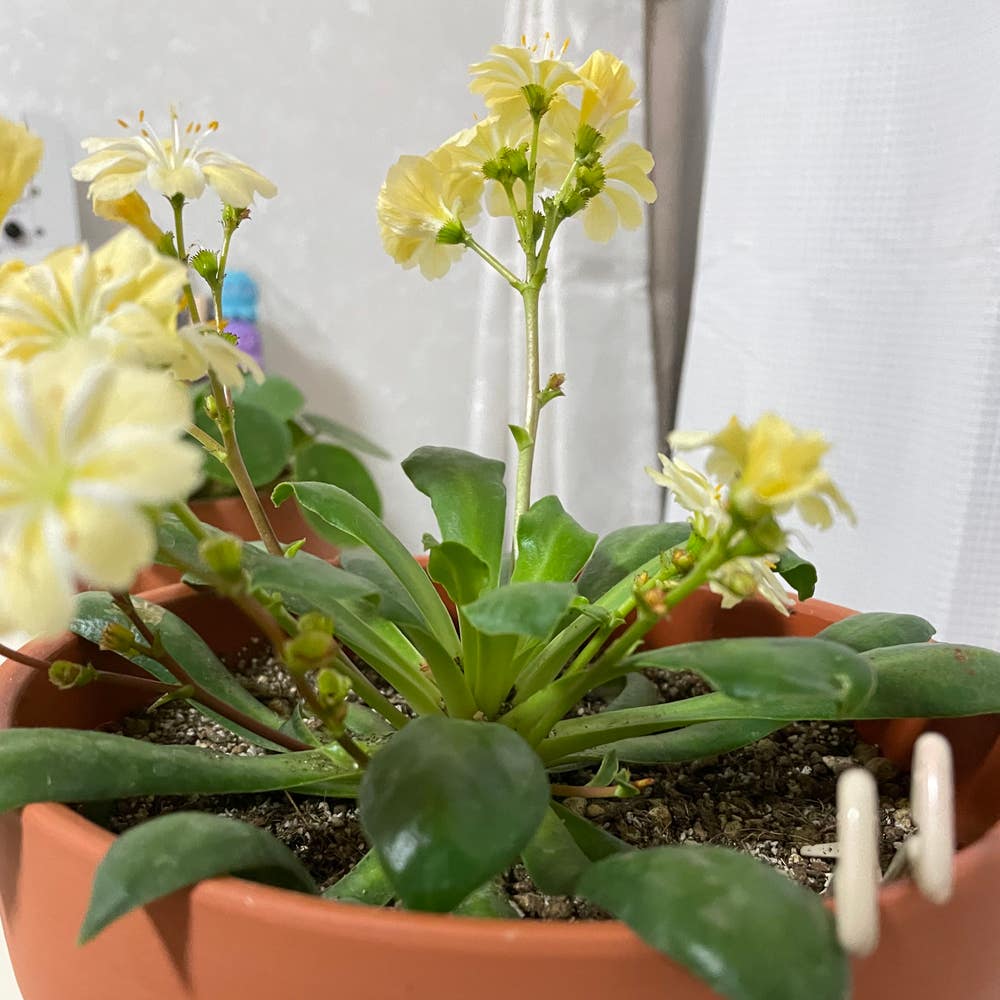
Keep an eye out for faded flowers and wilting leaves. These are clear indicators that your plant needs some attention.
Additionally, if you notice overcrowding or leggy growth, it’s time to take action. Pruning will help rejuvenate the plant and promote healthier growth.
By recognizing these signs, you can ensure your Bitterroot thrives and remains vibrant throughout the growing season.
Deadheading
Importance of Deadheading for Plant Health 🌼
Deadheading is crucial for maintaining the health of your Bitterroot plants. By removing spent flowers, you prevent energy loss to seed production, allowing the plant to focus on producing more blooms.
This simple practice encourages additional flowering and prolongs the blooming period, giving you a vibrant garden for longer.
Step-by-Step Instructions for Deadheading ✂️
- Identify spent flowers: Look for wilted blooms that have lost their luster.
- Use pruning shears: Cut the stem just above the first set of healthy leaves to promote new growth.
- Frequency: Aim to deadhead every few weeks during the blooming season for optimal results.
Benefits of Deadheading on Flowering and Growth 🌺
Deadheading not only promotes bushier growth but also enhances the overall appearance of your plants.
By regularly removing faded flowers, you can extend the blooming period well into late summer, ensuring your garden remains lively and colorful.
As you embrace the practice of deadheading, you'll notice your Bitterroot thriving, ready to showcase its beauty. Next, let’s explore common pruning mistakes to avoid for a healthier garden.
Common Pruning Mistakes
Mistakes to Avoid When Pruning 🌱
Pruning can be a delicate balance, and making mistakes can hinder your plant's health. One common error is pruning too early, which can damage blooming potential and lead to fewer flowers.
Another frequent pitfall is over-pruning. Removing too much foliage or stems can stress the plant, leaving it vulnerable and less vibrant.
Recognizing Over-Pruning 🚨
It's crucial to recognize the signs of over-pruning. Look for wilting, yellowing leaves, or reduced flowering, which indicate that your plant is under stress.
Monitoring the plant's recovery is equally important. Take note of how long it takes for regrowth; a slow recovery can signal that you've pruned too aggressively.
Understanding these mistakes will help you prune more effectively, ensuring your Bitterroot thrives. Now, let’s explore the importance of deadheading for plant health.
⚠️ Safety First
This content is for general information and may contain errors, omissions, or outdated details. It is not medical, veterinary advice, or an endorsement of therapeutic claims.
Always consult a qualified healthcare professional before using any plant as food, medicine, or supplement.
Never eat any plant (or feed one to pets) without confirming its identity with at least two trusted sources.
If you suspect poisoning, call Poison Control (800) 222-1222, the Pet Poison Helpline (800) 213-6680, or your local emergency service immediately.
Spotted an error? Please report it here.
Transform your Bitterroot into a blooming masterpiece 🌼 with Greg's tailored pruning reminders and expert tips that ensure you cut at just the right time!