🍃 Managing Yellow Leaves on Your Bitterroot
Lewisia spp.
By the Greg Editorial Team
Aug 24, 2024•4 min read
This article was created with the help of AI so we can cover more plants for you. May contain errors. See one? Report it here.
- 🌱 Yellow leaves indicate stress; inspect color and texture for plant health.
- 💧 Over-watering and poor drainage lead to yellowing; adjust watering practices accordingly.
- 🌞 Bitterroot needs 6-8 hours of sunlight daily for optimal growth and vitality.
Diagnosing the Problem
Identifying Symptoms of Yellow Leaves 🌿
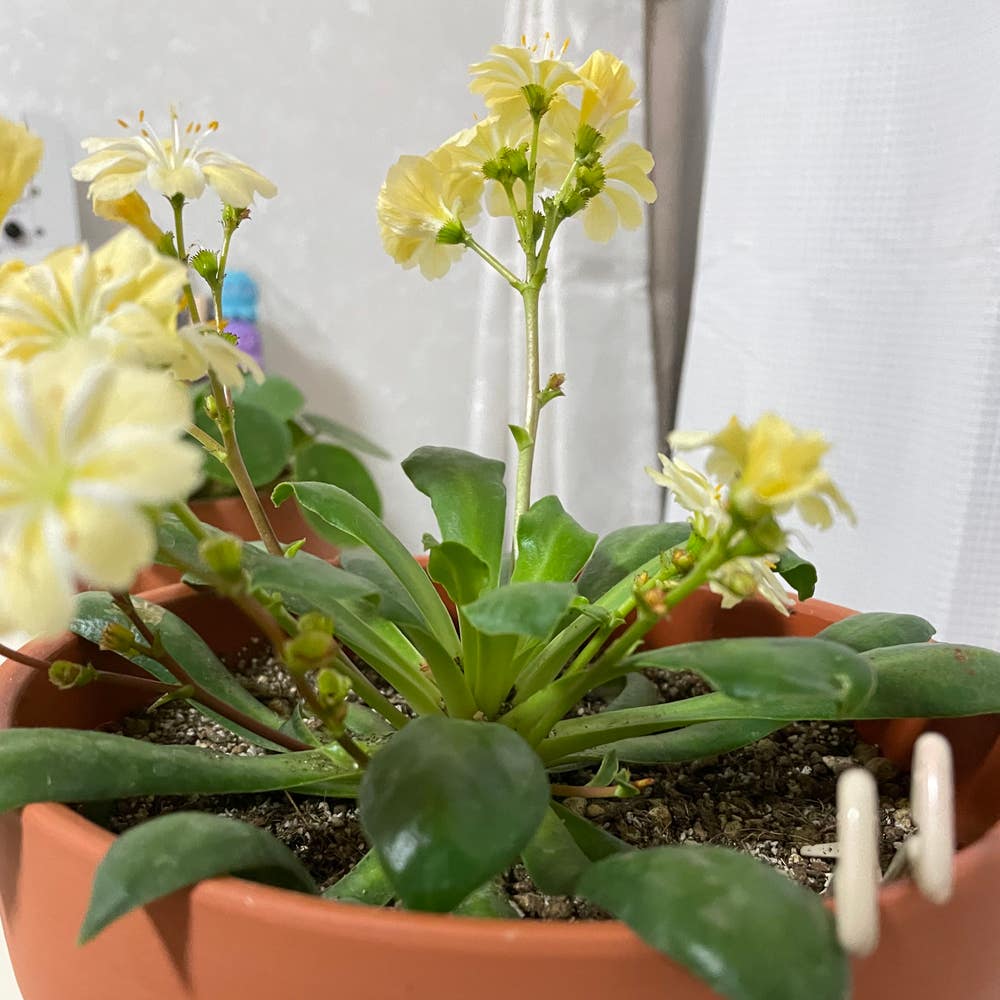
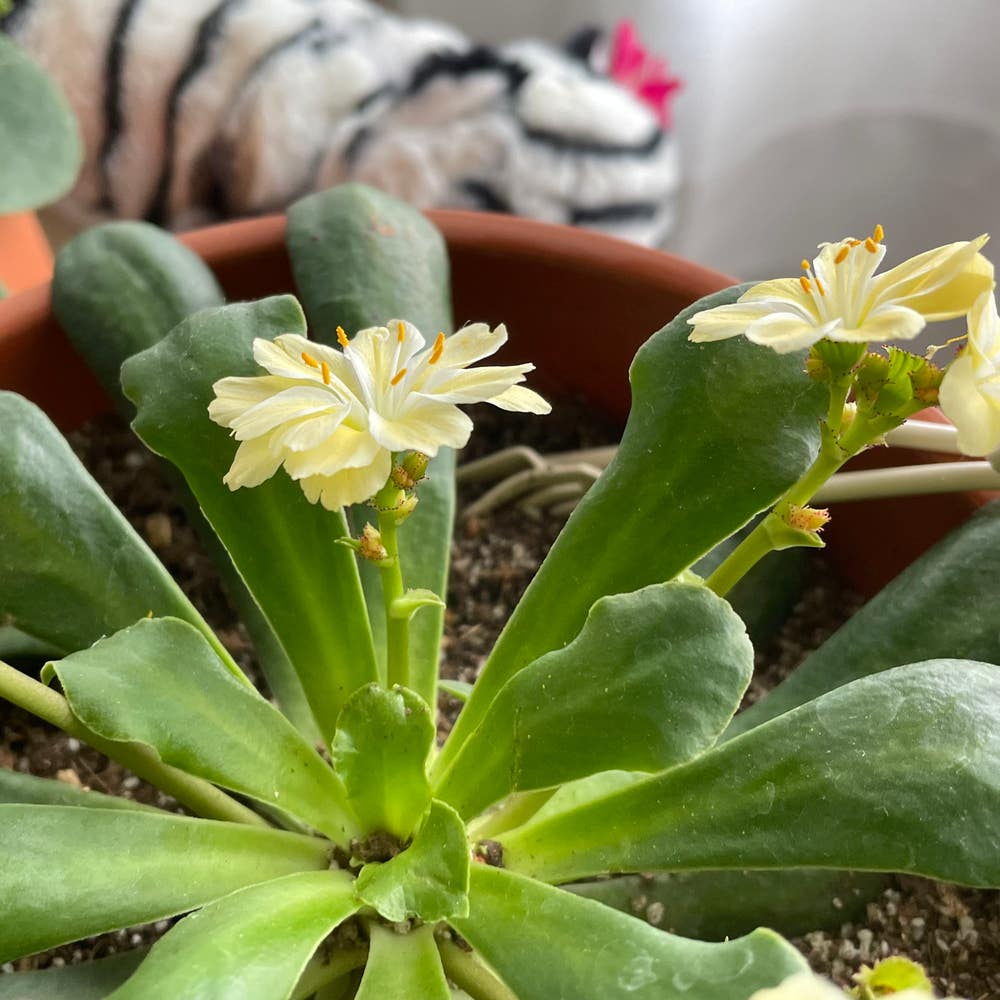
When you notice yellow leaves on your Bitterroot, a visual inspection is your first step. Look closely at the leaf color and texture; healthy leaves should be vibrant green and firm.
Next, consider the position of the yellowing leaves. Older leaves often show signs of stress before new growth, so pay attention to which leaves are affected.
Assessing Soil Conditions 🏞️
Soil texture plays a crucial role in the health of your Bitterroot. This plant thrives in rocky, well-drained soil, which prevents water from pooling around the roots.
Additionally, assess soil moisture levels. Over-saturation can lead to root rot, while dryness can stress the plant, both contributing to yellowing leaves.
Checking for Pests and Diseases 🐛
Pests can wreak havoc on your Bitterroot. Common culprits like aphids suck the sap from leaves, leading to discoloration and weakening the plant.
Fungal diseases are another concern. Look for signs of infection, such as spots or a powdery residue, which can also cause yellowing and indicate a more serious issue.
Solutions for Yellow Leaves
🌊 Adjusting Watering Practices
To tackle yellow leaves on your Bitterroot, start by adjusting your watering practices. It's crucial to allow the soil to dry out between waterings, aiming for a moisture level of 1-2 inches below the surface.
Proper watering will show signs of healthy leaf texture and vibrant color. If your leaves are still yellowing, it might be time to reassess your approach.
🌱 Fertilization Techniques
Next, consider your fertilization techniques. A balanced NPK fertilizer is ideal for replenishing nutrients that your Bitterroot may be lacking.
Timing is key here; apply fertilizer in early spring and again in mid-summer. This will help your plant regain its strength and color.
🌬️ Improving Soil Drainage and Aeration
Soil drainage and aeration are also vital for the health of your Bitterroot. Adding amendments like sand or perlite can significantly enhance drainage, preventing water from pooling around the roots.
If you're growing in containers, ensure that your pots have adequate drainage holes. This simple step can make a world of difference in keeping your plant healthy.
By implementing these solutions, you can help your Bitterroot thrive and restore its lush green appearance. Next, let’s explore some preventative measures to keep your plant in top shape.
Preventative Measures
Best Practices for Bitterroot Care 🌱
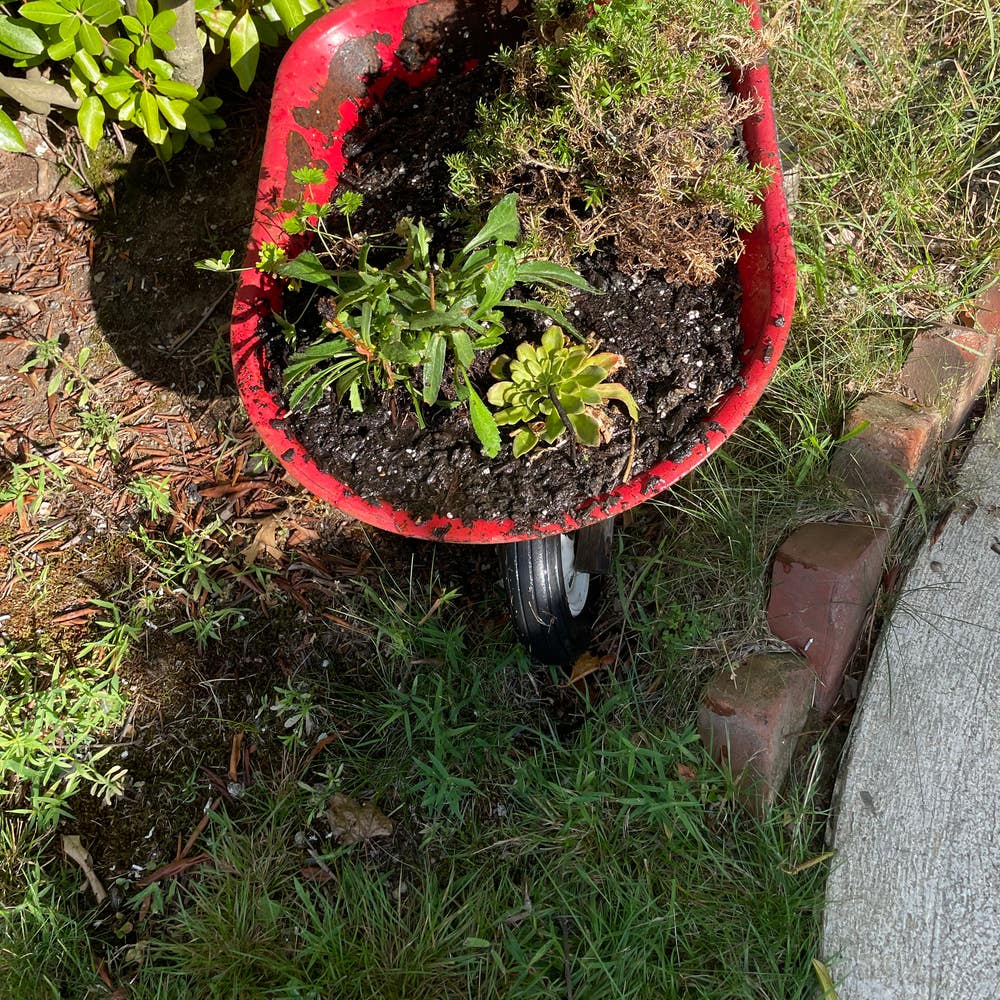
To keep your Bitterroot thriving, start with the right planting conditions. Choose rocky, well-drained locations that mimic its natural habitat.
Regular monitoring is essential. Conduct weekly checks for moisture levels and pests to catch any issues early.
Seasonal Adjustments to Care Routine 🌸
Spring is the time for action. Adjust your fertilization and watering practices to support new growth.
As fall approaches, prepare your Bitterroot for dormancy. This means reducing watering to prevent root rot during the colder months.
Monitoring Environmental Conditions 🌞
Light exposure is crucial for healthy growth. Ensure your Bitterroot receives 6-8 hours of sunlight daily for optimal health.
Temperature management is also key. Protect your plant from extreme weather to maintain its vigor and resilience.
By following these preventative measures, you can foster a thriving environment for your Bitterroot. This proactive approach will help you enjoy a vibrant plant that stands the test of time.
Long-term Health of Bitterroot
Regular Maintenance Tips 🌱
Pruning is essential for maintaining the health of your Bitterroot. By removing dead or yellowing leaves, you encourage new growth and improve overall plant vitality.
Soil testing should be part of your annual routine. Regular checks for nutrient levels help ensure your plant receives the right balance for optimal growth.
Signs of Recovery from Yellowing 🌈
Look for new leaf growth as a positive sign of recovery. This indicates that your Bitterroot is bouncing back and thriving.
Color restoration is another encouraging sign. A transition from yellow to vibrant green shows that your plant is regaining its health and vigor.
When to Seek Professional Help 🩺
If yellowing persists despite your best care efforts, it may be time to consult a professional. Persistent issues could indicate underlying problems that require expert intervention.
Additionally, watch for signs of severe pest infestations or diseases. These situations often necessitate specialized treatment to protect your Bitterroot's long-term health.
Incorporating these long-term care strategies will help ensure your Bitterroot thrives, setting the stage for a vibrant and resilient plant. Next, let’s explore preventative measures to keep your Bitterroot healthy year-round.
⚠️ Safety First
This content is for general information and may contain errors, omissions, or outdated details. It is not medical, veterinary advice, or an endorsement of therapeutic claims.
Always consult a qualified healthcare professional before using any plant as food, medicine, or supplement.
Never eat any plant (or feed one to pets) without confirming its identity with at least two trusted sources.
If you suspect poisoning, call Poison Control (800) 222-1222, the Pet Poison Helpline (800) 213-6680, or your local emergency service immediately.
Spotted an error? Please report it here.
Revive your Bitterroot's vibrant health 🌿 by using Greg's personalized watering reminders and pest alerts to tackle yellow leaves head-on!